





Military Brass Collectable
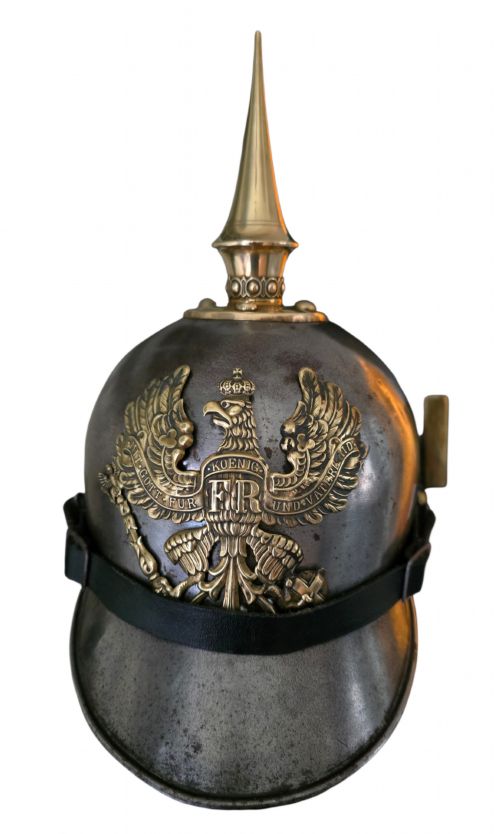
These military brass collectable pieces span centuries of campaign history, offering tangible connections to past conflicts and service.
Military Brass Collectable
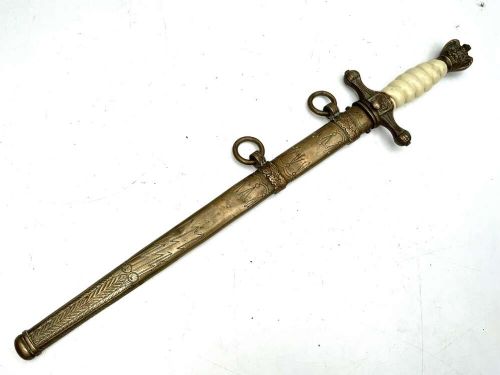
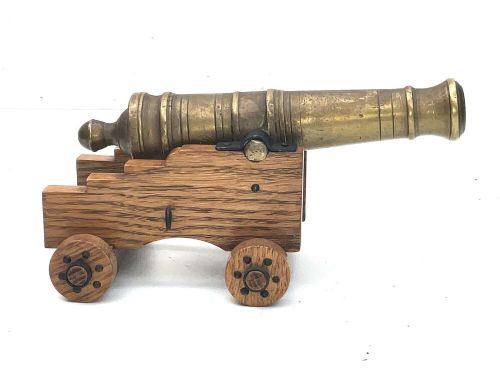
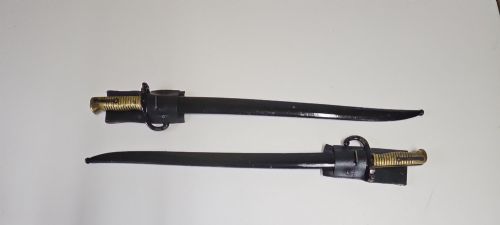
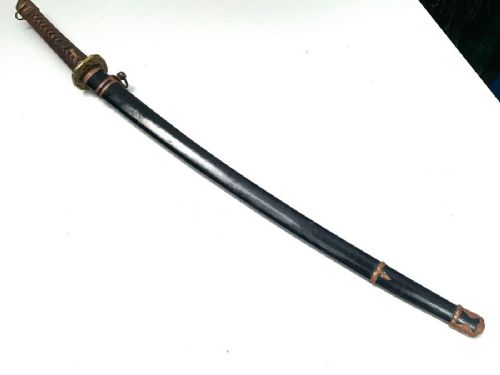
A military brass collectable encompasses diverse items ranging from desk ornaments and scientific instruments to edged weapons and antique firearms. These objects carry the metalwork and design of their respective periods, reflecting active service or official regulation.
Pieces on this page draw from the eighteenth century through to the mid-twentieth century, including Victorian campaigns and both world wars. The selection includes trench art, field models, and operational gear manufactured in brass alongside steel, wood, and leather.
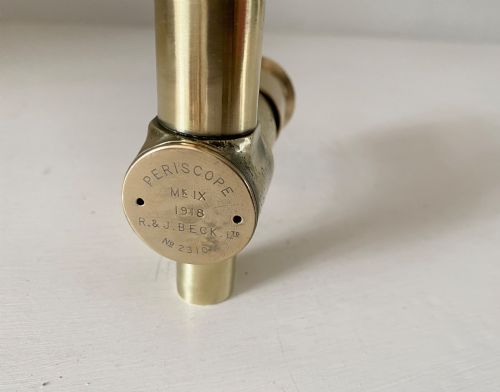
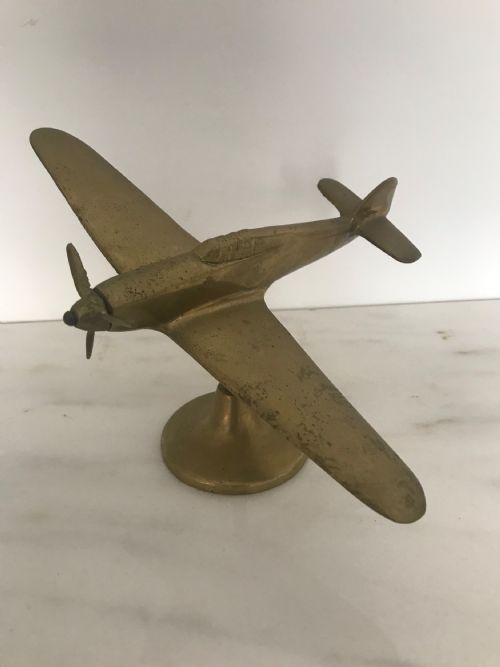
Buyers encounter items such as periscopes, flintlock pistol measures, and aircraft desk models. Each form tells a specific story of military engineering and period craftsmanship.
Materials and construction
Brass dominates these pieces, often combined with steel for blades and mechanisms, and hardwood or walnut for stocks, handles, and mountings. Makers utilised leather for scabbards and straps, and glass for optical instruments like periscopes and sextants.
Metal components show casting, forging, and hand-finishing techniques typical of military contractors and private workshops. Wood elements display careful turning and fitting to secure brass mountings and fittings.
Military Brass Collectable Retail Price Guide 2026
Typical asking prices for military brass collectable among the pieces listed under this phrase on Sellingantiques today, from the lower quarter to the upper quarter. They describe what is for sale here now, not the wider market.
German shell cases transformed into decorative trench art with the British Royal Artillery coat of arms.
Evaluating quality and execution
Quality rests in the precision of the manufacturing, whether in the crisp engraving of maker marks on scientific instruments or the clean lines of cast brass desk models. Superior examples maintain their original components, matching serial numbers, and unpolished surfaces that retain historical depth.
The degree of preservation dictates distinction, as pieces showing honest service wear without heavy modification hold greater integrity. Fine hand-built models and officially issued arms demonstrate the higher tier of period execution.
R J Beck Ltd·Henry Nock·Colt·Maw London·Tritona
The Military Brass Collectable Glossary
- Trench art
- Items fashioned by soldiers from discarded military materials, such as shell cases inscribed with coats of arms or regimental details. This practice flourished during periods of prolonged conflict.
- Flintlock
- An ignition mechanism for firearms using a flint striking a steel frizzen to create sparks for the gunpowder charge. This system predates percussion cap technology.
- Percussion cap
- A small metal cup containing a priming compound placed on a nipple to ignite the main powder charge when struck by the hammer. It replaced the flintlock system in the nineteenth century.
- Periscope
- An optical instrument using lenses and prisms to allow observation over or around obstacles. Military variants served in trenches and aboard vehicles.
- Sextant
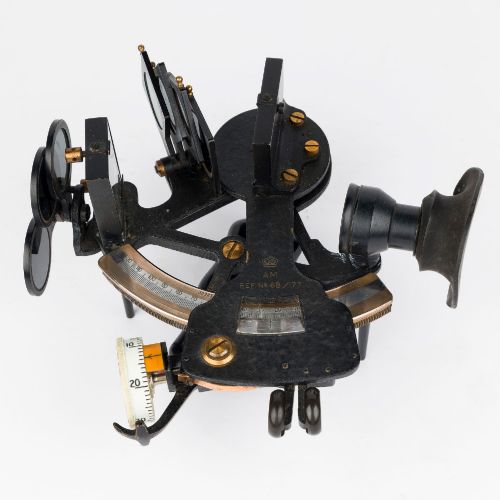
- A navigational instrument used to measure the angle between an astronomical object and the horizon for celestial navigation. Aviation and maritime versions appear in wartime contexts.
Military Brass Collectable: Frequently Asked Questions
What periods do these military items cover?
The pieces span from the eighteenth century through the Victorian era and into the twentieth century, covering the First and Second World Wars.
This broad timeline includes Georgian regulation arms, nineteenth-century martial issues, and mid-century aviation instruments.
How do I identify a military brass collectable?
Look for period materials like brass, steel, and hardwood combined with official markings, serial numbers, or maker inscriptions. Forms range from functional firearms and navigational tools to desk models and trench art.
Examining the construction methods and style indicators helps place the object within its specific military context.
What materials are commonly used?
Brass is the primary metal seen across instruments, mountings, and decorative models. It frequently appears alongside steel, walnut, hardwood, leather, and glass.
Makers selected these materials for durability during active service and precision in scientific equipment.
Are these items authentic period pieces?
The listings comprise items originating from the eighteenth to the twentieth centuries, featuring authentic materials and historical construction techniques. Many pieces carry specific era markers, regimental associations, or maker details.
Reviewing individual descriptions provides the exact historical context for each object.