





Fireplace Wood Holder
These fireplace wood holder pieces keep your hearth tidy and organised while bringing period character into the room.
Fireplace Wood Holder
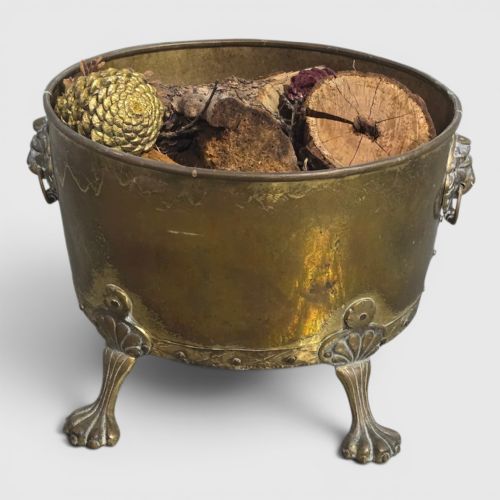
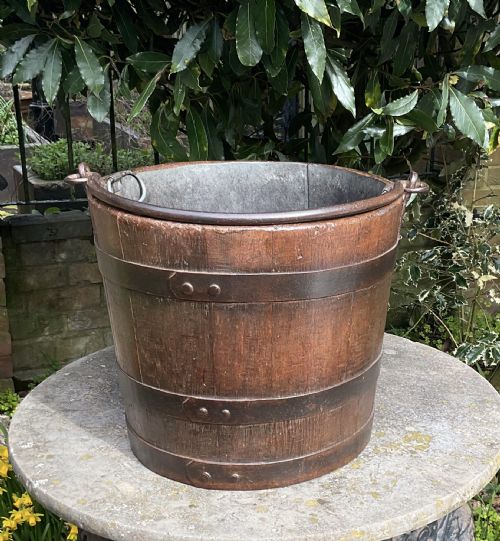
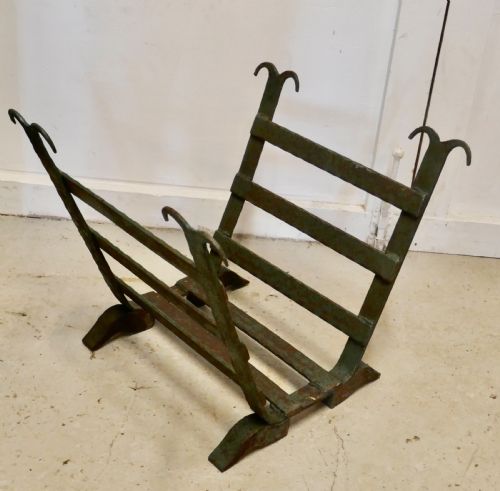
A fireplace wood holder brings practical storage to the hearth through vessels designed to keep logs and peat contained beside the fire. These useful items appear in various forms on this page, including traditional log boxes, coopered buckets, and heavy iron carriers.
The selection ranges from robust nineteenth century pine and oak boxes to refined Georgian and Victorian mahogany designs with brass mounts. You will also encounter utilitarian wrought iron carriers and coopered buckets originally made for peat or logs.
Most examples hail from the eighteenth, nineteenth, and early twentieth centuries, reflecting the domestic needs of traditional country houses and town residences alike. Rural pieces often utilise local timbers such as pine or oak, while formal drawing rooms favoured polished mahogany and gleaming brass.
How they were made
Traditional construction methods define these hearth accessories, relying heavily on timber framing, coopering, and blacksmith forging. Coopered examples employ tightly fitted wooden staves held securely by metal bands, creating durable vessels capable of containing heavy fuel.
Cabinet makers shaped dense hardwoods like mahogany and oak into boxes and buckets, frequently adding brass handles, liners, and feet for durability and ease of movement. Blacksmiths hammered iron and wrought metal into robust carriers designed to withstand the heavy loads of an inglenook hearth.
Fireplace Wood Holder Retail Price Guide 2026
Typical asking prices for fireplace wood holder among the pieces listed under this phrase on Sellingantiques today, from the lower quarter to the upper quarter. They describe what is for sale here now, not the wider market.
A mysterious nineteenth century cat stand joins the hearth accessories, presumably keeping watch over the firewood.
What varies in quality
Quality rests in the integrity of the materials, the crispness of the timber turning or joinery, and the retention of original components such as metal liners and carrying handles. Finer examples display thoughtful proportion, careful selection of figured wood, and robust construction methods that survive centuries of daily use.
Simpler vernacular items rely on honest utility rather than ornate finish, yet still demand sound timber and solid fastenings to command attention. The presence of original surface patination and period brasswork elevates a piece above standard utilitarian examples.
Liberty London
The Fireplace Wood Holder Glossary
- Coopered
- Constructed from wooden staves fitted together and bound by metal hoops, much like a traditional barrel. This technique provided the strength needed for heavy loads of peat or logs.
- Peat bucket
- A deep container traditionally used in regions where peat formed the primary fuel for domestic fires. These vessels often feature brass bands and swing handles for carrying.
- Inglenook
- A large, recessed fireplace space designed to warm a room efficiently. Carriers and log holders made for these spaces are typically forged from heavy iron to endure intense hearthside conditions.
- Spill holder
- A small vessel designed to hold taper spills used for transferring flames from the fire to candles or pipes. They appear in turned wood alongside larger fuel receptacles.
Fireplace Wood Holder: Frequently Asked Questions
What is a fireplace wood holder used for?
These items serve the practical purpose of storing logs, kindling, or peat directly beside the hearth for easy access during cold weather. They keep loose bark and dirt contained while presenting fuel in a tidy manner.
Beyond simple storage, these vessels act as decorative hearth furniture that complements the period style of a room. Different designs suit everything from rustic country fireplaces to formal Georgian drawing rooms.
How do I date a wooden log box?
Dating relies on observing the timber species, construction techniques, and any metal hardware present on the piece. Eighteenth and nineteenth century examples often feature hand-cut joints, original patination, and vernacular woods characteristic of their era.
Stylistic cues such as brass paw feet, spindle galleries, or coopered staves help narrow down the period of manufacture. Comparing the fixings to known period furniture styles provides further confirmation.
Can I use an antique log holder daily?
Most of these pieces were built for heavy domestic service and remain entirely functional for holding firewood today. Solid construction in oak, mahogany, or wrought iron ensures they handle daily loading without issue.
Care should be taken to protect sensitive wooden interiors from damp logs or excessive moisture by using appropriate metal liners. Regular light maintenance keeps the timber and metalwork in sound condition.
What is the difference between a log box and a bucket?
Log boxes are typically rectangular or square wooden chests with hinged or open tops designed to sit neatly beside a fireplace. They accommodate standard lengths of firewood and conceal the fuel completely.
Buckets are usually round, vertical vessels, often coopered with metal bands and fitted with a swing handle for carrying fuel from an outdoor store. They offer a more open profile that showcases the stored logs or peat.