



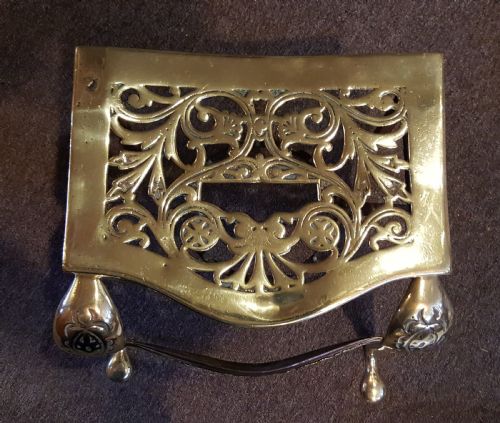
Fireplace Trivet Stand
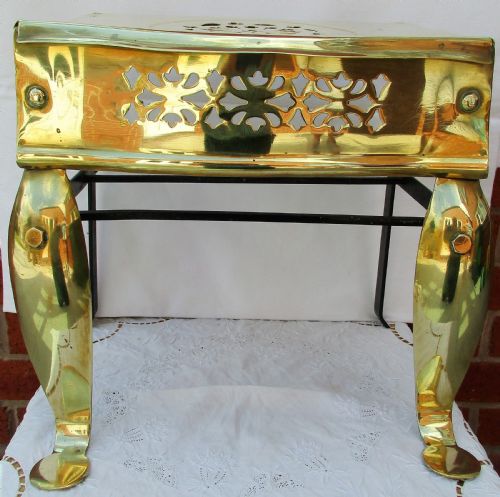
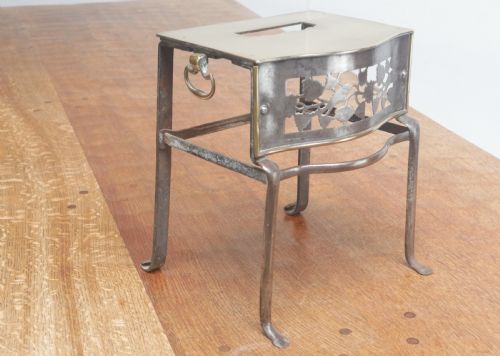
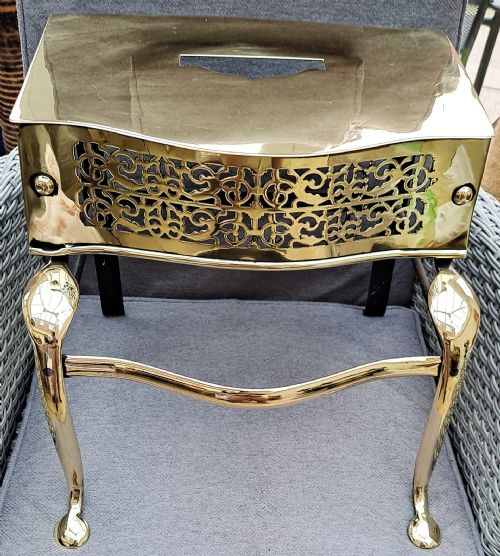
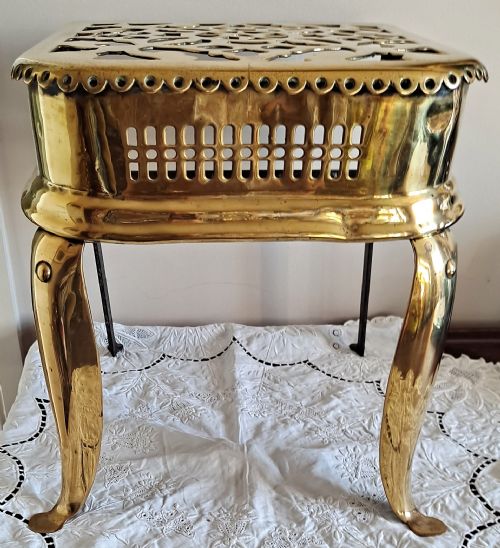
These fireplace trivet stand examples are robust iron and brass hearth accessories designed to warm kettles and plates by the fire.
Fireplace Trivet Stand
A fireplace trivet stand serves as a traditional hearth accessory for warming plates and heating kettles close to the fire. When searching for a fireplace trivet stand, collectors encounter substantial metal designs originating from the Georgian, Victorian, and Edwardian periods.
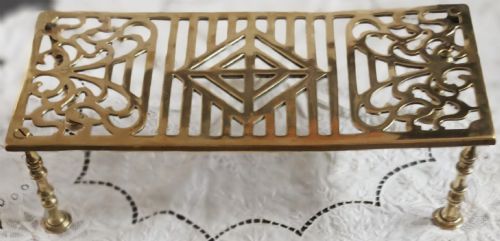
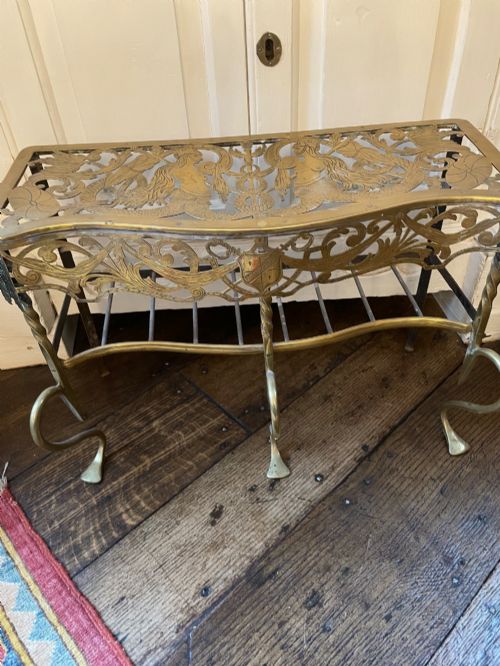
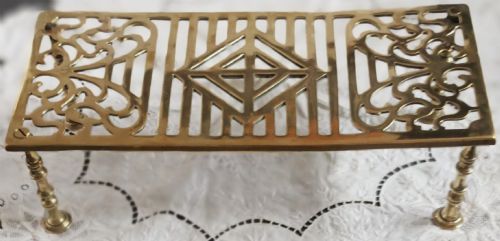
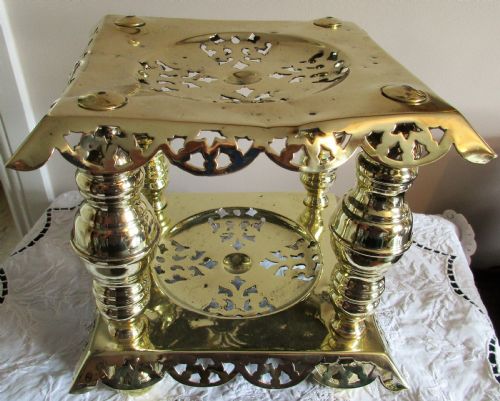
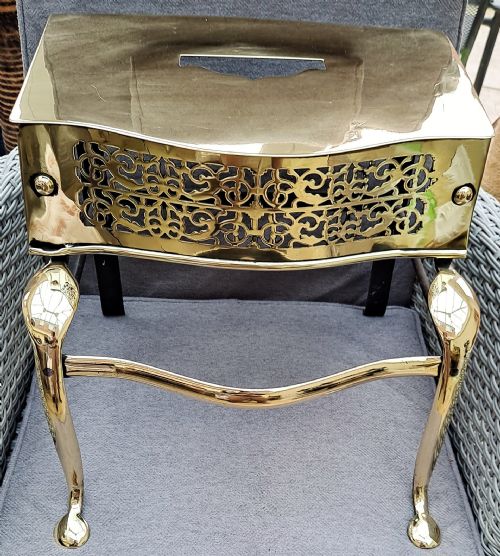
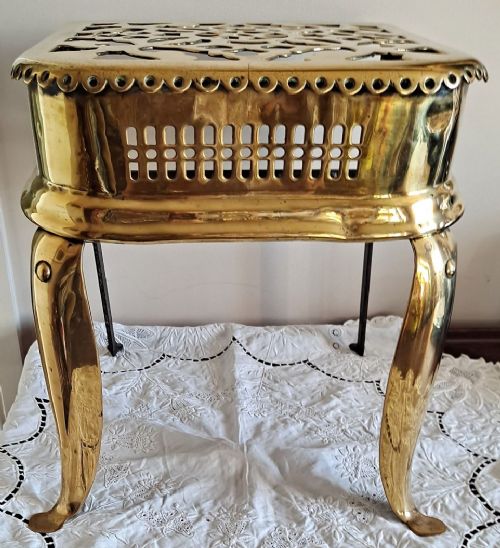
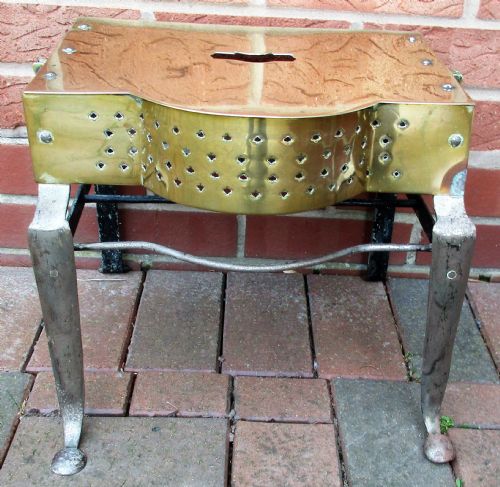
The most common form on this page is the brass and steel footman, often featuring a polished plate top raised on sturdy legs for use in country houses and inglenook settings. Other variations include two-tier kettle stands and mahogany cat stands designed to hold plates near the warmth.
Materials and construction
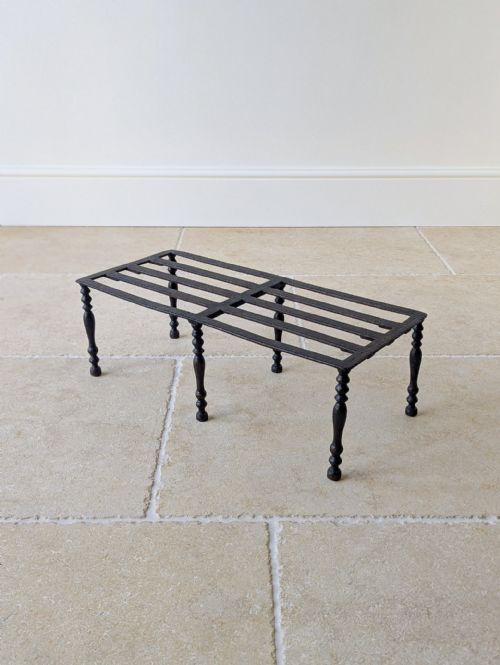
Makers utilised cast brass for the polished tops and pierced aprons, pairing them with durable iron or steel frames to withstand intense hearth heat. Wrought iron and solid hardwood or mahogany appear in specific domestic forms such as footmans and plate stands.
Construction methods relied on solid metal casting, riveting, and traditional joinery to build stable frames capable of supporting heavy cookware and ceramic plates.
Fireplace Trivet Stand Retail Price Guide 2026
Typical asking prices for fireplace trivet stand among the pieces listed under this phrase on Sellingantiques today, from the lower quarter to the upper quarter. They describe what is for sale here now, not the wider market.
Listings span the eighteenth, nineteenth, and early twentieth centuries, featuring brass, steel, wrought iron, and mahogany.
Distinctions in quality
Quality rests in the weight of the metal, the crispness of any pierced brass decoration on the apron, and the structural integrity of the legs. Examples featuring cabriole legs or two-tier configurations demonstrate finer domestic craftsmanship than plain utility models.
The thickness of the steel components and the finish of the brass top distinguish standard utilitarian hearth pieces from finer country-house examples.
The Fireplace Trivet Stand Glossary
- Footman
- A metal stand placed before a fireplace to keep food or kettles warm. These items usually feature four legs and a flat top.
- Cat stand
- A small wooden or metal stand, often with three legs, used to hold plates near the fire. The name derives from its traditional low-slung, stable shape.
- Inglenook
- A large recessed space around a fireplace where heavy metal stands and footmans were positioned for cooking and warming. This hearth architecture defined country-house interiors.
- Kettle stand
- A raised platform specifically designed to hold a boiling vessel near the coals. These pieces often incorporate multiple tiers for domestic convenience.
Fireplace Trivet Stand: Frequently Asked Questions
How were fireplace trivet stands used?
These metal stands sat directly on the hearth or close to the coals to keep kettles boiling and dinner plates warm before serving.
Servants positioned them within easy reach of the fire to assist with meal preparation in large country houses.
What is the difference between a footman and a trivet?
A footman is typically a larger, four-legged metal stand with a flat top designed for heavy plates and kettles by the hearth.
Trivets often refer to smaller or simpler stands, though the terms frequently overlap in historical fireplace accessories.
How do I date a brass footman?
Georgian examples often display hand-pierced brass aprons and cabriole legs, whereas Victorian pieces tend to utilise heavier machine-cast components.
Examining the fixing methods, wear patterns, and overall metal composition helps clarify the manufacturing period.
Can I use these stands with a modern fireplace?
These antique metal stands function well as decorative hearth furnishings or plant holders in modern rooms.
Their robust construction allows them to endure gentle everyday use alongside contemporary firesides.