


Brass Warming Stand
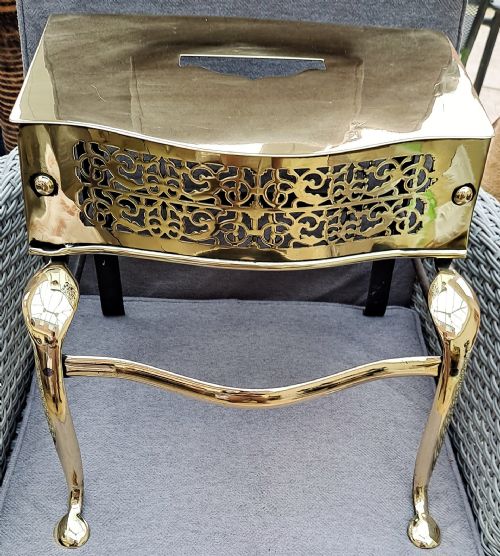
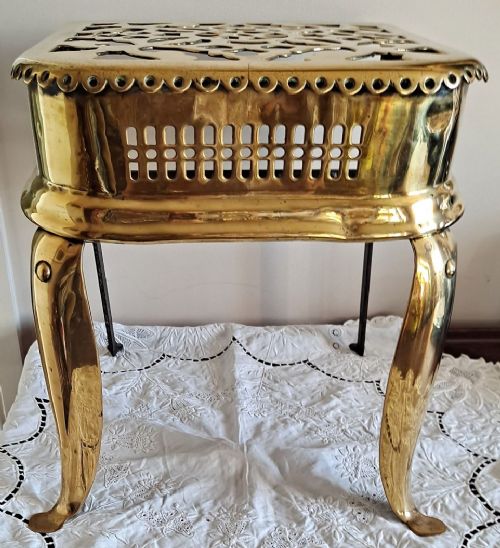
A brass warming stand brings warmth and functional metalwork into a room, serving as a hearth accessory designed to heat plates or water.
Brass Warming Stand
Buyers encounter footmen featuring brass tops alongside steel legs, built to sit directly over hearth ashes. Edwardian spirit kettles on matching stands represent another common iteration found on the market.
Materials and construction
Maker workshops utilised sheet brass for the plates and tops, hammering or piercing the metal with geometric and pierced patterns. Steel and iron frequently formed the supporting legs and frames to withstand the intense heat of the domestic fireplace.
Joinery on related stands incorporates traditional woods such as oak and mahogany where stands support wooden vessels or barrels, though the primary heating pieces rely heavily on cast and wrought metal fabrication.
Some nineteenth-century footmen doubled as impromptu ironing rests for domestic staff tackling stiff linen cravats.
Assessing quality and craftsmanship
Quality rests upon the weight of the brass and the crispness of any pierced decoration across the top plate. Heavier gauge metal and cleanly hand-finished edges distinguish superior examples from simpler utilitarian pieces.
The integrity of the steel components and the stability of the legs also determine the standard of the item. Original matching fittings and minimal replacement parts indicate a better-preserved survivor.
Thomas Rubergall·Henry Smith·Smith Chester
The Brass Warming Stand Glossary
- Footman
- A metal stand placed by the hearth to keep food or water warm. These items generally combine a brass top with iron or steel supports.
- Spirit kettle
- A portable metal kettle suspended above a small burner stand for heating water. These domestic accessories gained popularity through the Edwardian period.
- Piercing
- A decorative technique involving cutting patterns through sheet metal. This method allowed heat to circulate while ornamenting the surface.
- Georgian
- A design period spanning the eighteenth and early nineteenth centuries. Pieces from this era often show restrained classical proportions.
Brass Warming Stand: Frequently Asked Questions
What is a brass warming stand used for?
These stands served a practical role beside the fireplace, holding kettles or dishes close to the heat source. Households utilised them to keep water hot for tea or meals warm before serving.
Today, they function primarily as decorative hearth furniture or display pieces within period interiors. Their reflective metal surfaces add warmth and historic character to a room.
Are these stands safe to use by a fireplace?
While originally built for active hearth use, many surviving examples are now collected as decorative antiques. Using them near open flames requires caution to avoid damaging the historic metal or stability of the joints.
Inspect the steel and iron supports for structural soundness before exposing them to heat. Most owners prefer to display them unheated as part of a fireplace arrangement.
How do I date a brass warming stand?
Dating relies on stylistic details, construction methods, and the specific composition of the brass and steel. Georgian examples typically display hand-finished pierced designs and robust iron frames, while Edwardian pieces often accompany spirit kettles.
Comparing the form and manufacturing marks with documented examples helps narrow down the period. Subtle wear patterns on the feet also offer clues to the age of the piece.