

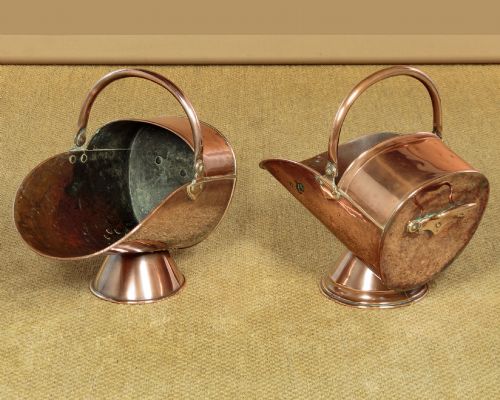


Fireplace Fireside Accessories
These fireplace fireside accessories include coal scuttles, bins, and companion sets designed to hold fuel and tend the hearth.
Fireplace Fireside Accessories
When you search for fireplace fireside accessories, you encounter practical vessels and implements designed to manage solid fuel and maintain an open hearth. These functional pieces include coal scuttles, coal buckets, log bins, companion sets, trivets, bellows, and chestnut roasters.
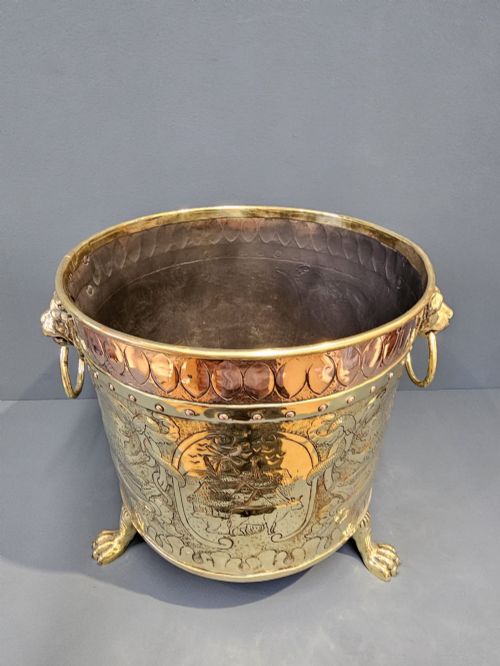
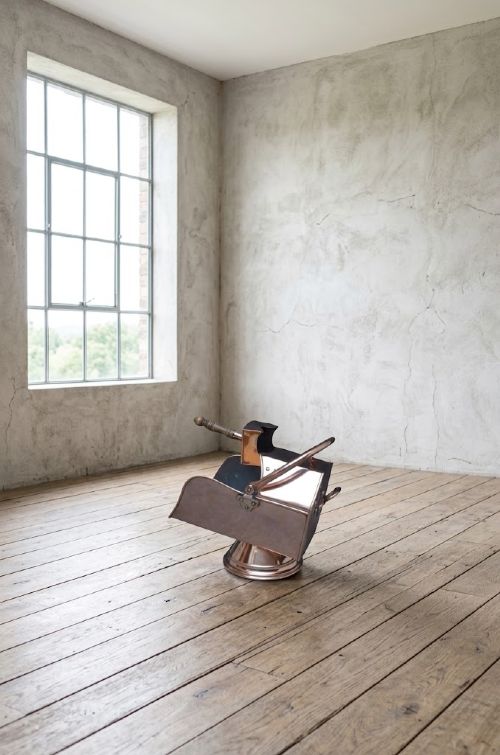
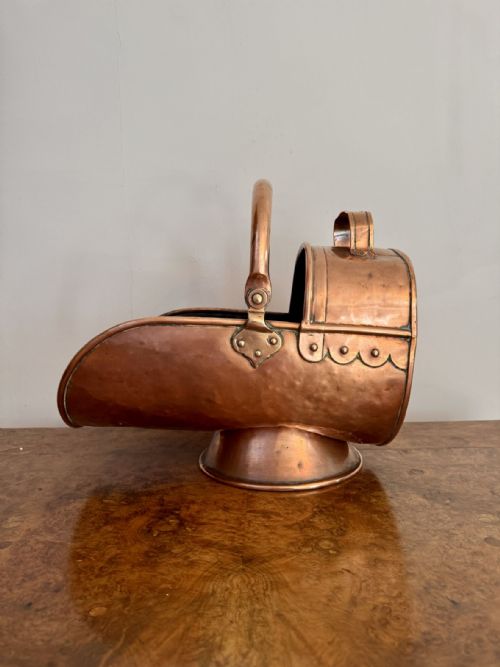
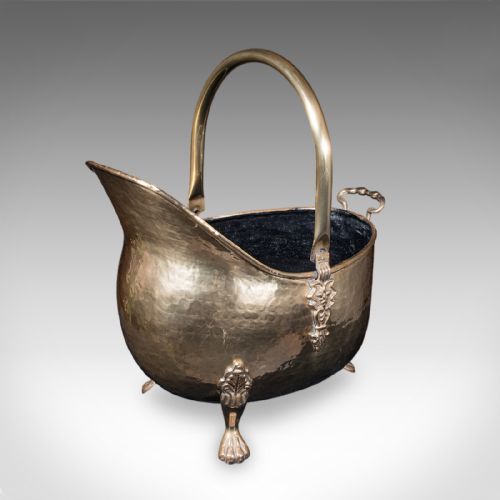
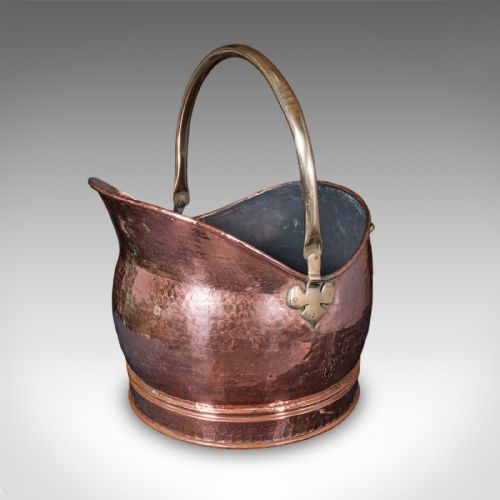
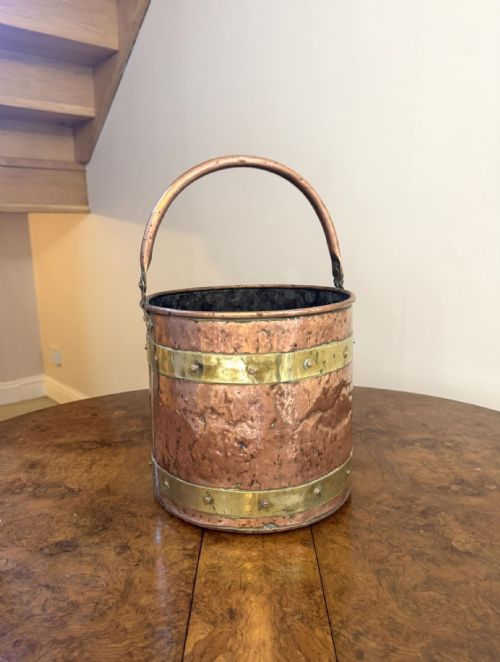
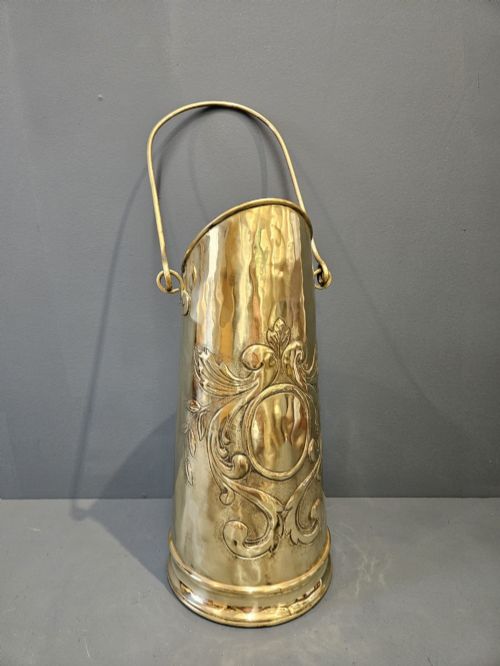
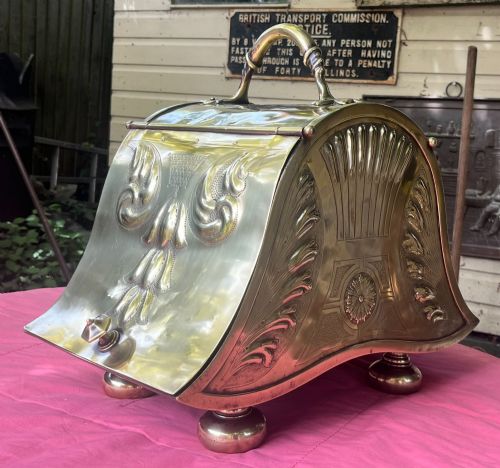
The items span periods from the Regency and Georgian eras through the Victorian, Edwardian, Arts and Crafts, Art Nouveau, and Aesthetic Movement styles. Victorian copper and brass coal helmets alongside riveted buckets represent the most common forms encountered on this page.
How they were made
Makers utilised metals such as brass, copper, cast iron, wrought iron, and steel to construct durable hearth containers and implements. Techniques include hand-finishing, riveting metal plates together, embossing, and surface decoration such as spade motifs or tavern scenes.
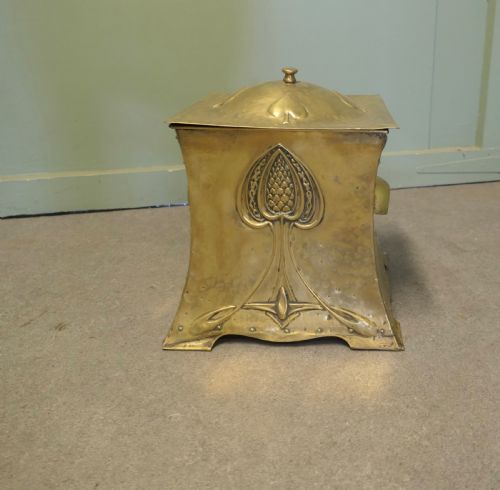
Wood also appears in the construction of items like carved oak coal boxes and mahogany accessories, often complemented by metal banding. Bellows and companion sets combine these timber and metallic elements with functional brush and shovel components.
Materials seen include brass, copper, wood, metal, cast iron, mahogany, wrought iron, and oak.
What varies in quality
Material thickness and weight differentiate utilitarian examples from finer pieces, with heavy-gauge copper and solid cast iron offering superior structural integrity. The crispness of hand-embossed details, decorative handles, and applied copper bands demonstrate the level of craftsmanship involved.
The presence of original fittings, such as matching shovels, lids, and tool rests, elevates the integrity of an accessory set. Surface patination achieved through age and use adds character that distinguishes well-preserved period pieces.
Benham And Froud
The Fireplace Fireside Accessories Glossary
- Coal scuttle
- A vessel designed for holding and carrying coal to the fireplace, frequently shaped as a helmet with a hinged handle. These containers often feature brass or copper construction with decorative embossing.
- Companion set
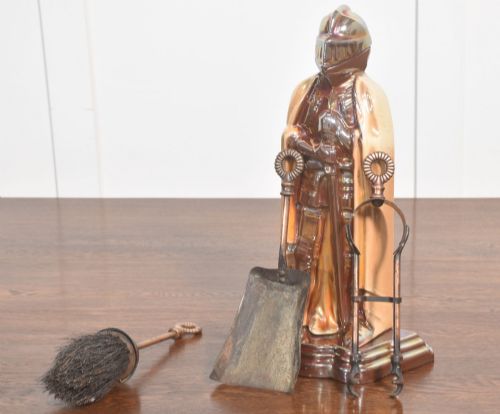
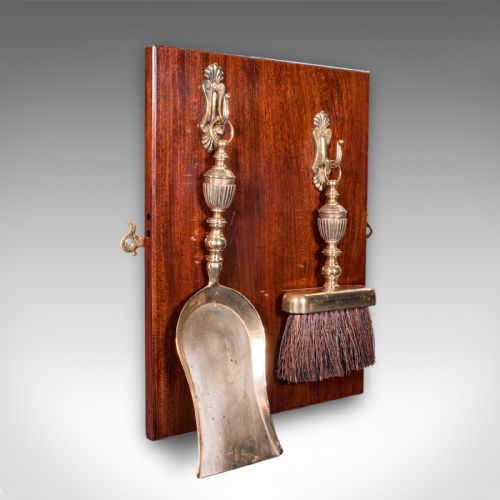
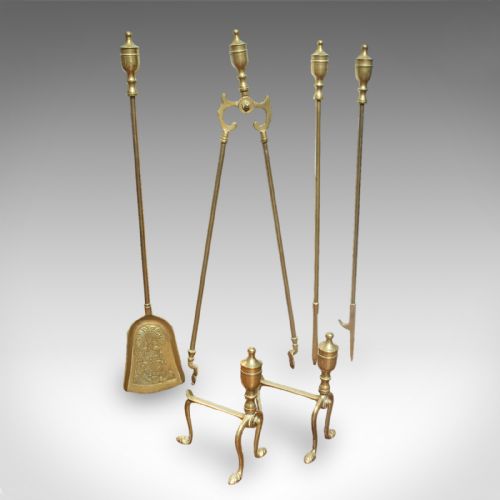
- A collection of fireplace tools, typically including a poker, shovel, brush, and tongs, housed together on a stand or rest. Sets range from plain iron versions to ornate brass Victorian designs.
- Log bin
- A large storage container for firewood, manufactured from metals like copper or riveted brass, or from carved timber such as oak. They keep fuel tidy beside the hearth.
- Trivet
- A metal stand raised on feet used to support kettles or pots near the fireplace fire. Edwardian examples often display substantial brass craftsmanship.
- Bellows
- A device constructed to pump air into a fire to encourage combustion, typically featuring wooden sides and flexible leather panels. They often display decorative carvings such as shepherd boy scenes.
Fireplace Fireside Accessories: Frequently Asked Questions
What are fireplace fireside accessories used for?
These pieces serve both practical and decorative functions around an open hearth, from storing coal and logs to tending the flames. Items like companion sets and trivets assist with day-to-day fire management.
Containers such as scuttles and buckets keep fuel neat and accessible next to the fireplace, while bellows and roasters aid in burning efficiency.
How do I identify Victorian coal scuttles?
Victorian coal scuttles frequently utilise heavy copper or brass, often shaped as helmets with riveted seams and embossed body decoration. They may incorporate ceramic handles or swing arms for carrying.
Many examples from this era also include matching brass shovels stored in specialised side sleeves or brackets.
What materials are common in these accessories?
Metal is the predominant material, with brass and copper appearing extensively across buckets, scuttles, and trivets. Iron and steel are typically reserved for heavy-duty companion sets and tool rests.
Wood, particularly oak and mahogany, is also utilised for coal boxes, log bins, and bellows, sometimes accented with metal banding.
How do I care for brass and copper items?
Maintenance generally involves dusting with a soft cloth to preserve the accumulated period patination that collectors value. Avoid aggressive cleaning unless necessary to remove active tarnishing.
Keeping the metal dry prevents corrosion, particularly on items placed near damp fuel or hearth ash.