

Fireplace Fender Kerb
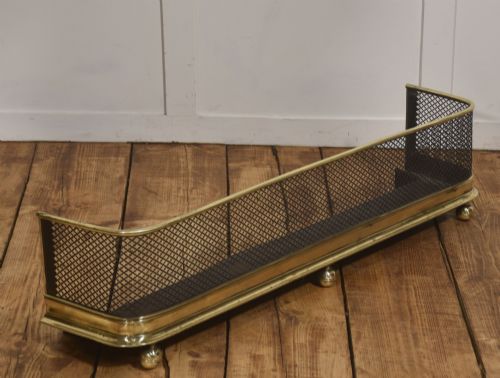
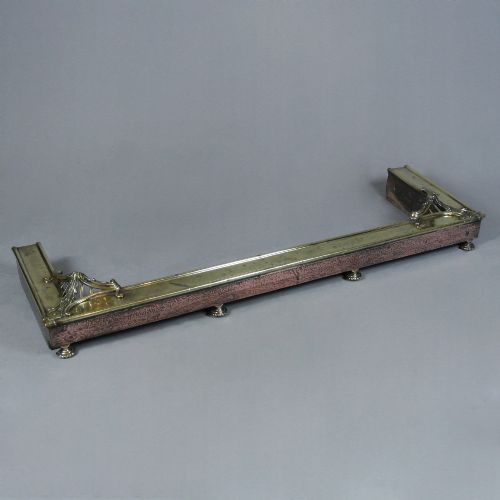
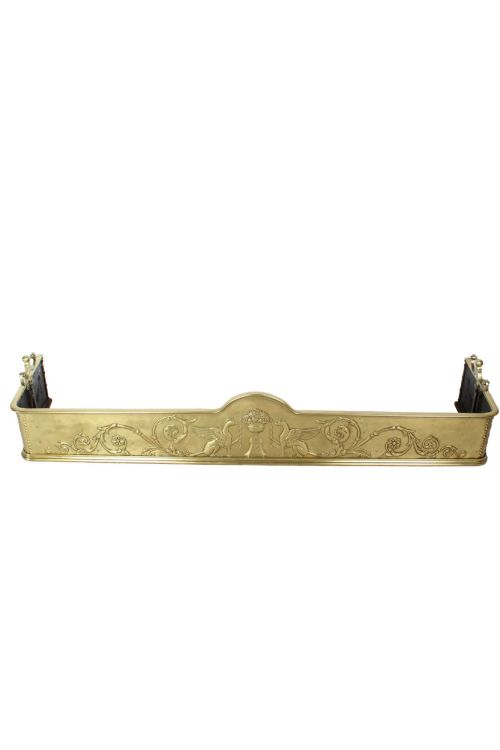
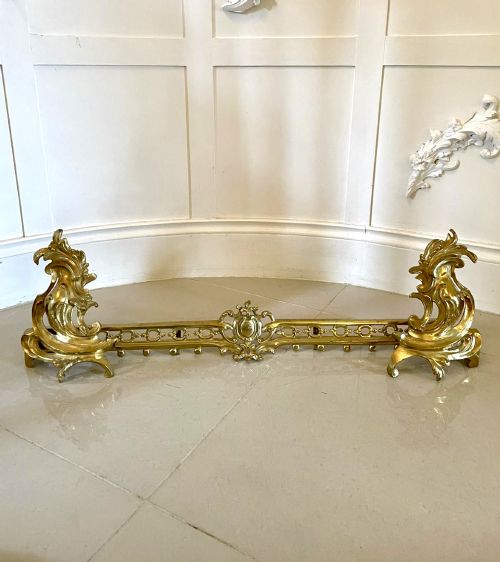
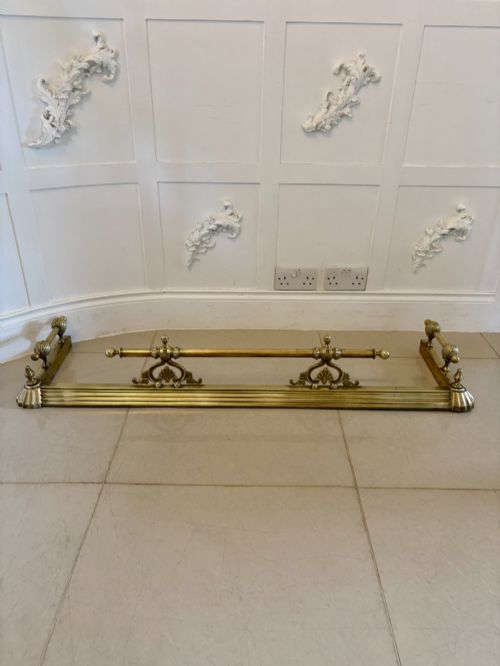
A fireplace fender kerb frames the hearth, protecting the room from stray embers while anchoring the fireplace within the interior.
Fireplace Fender Kerb
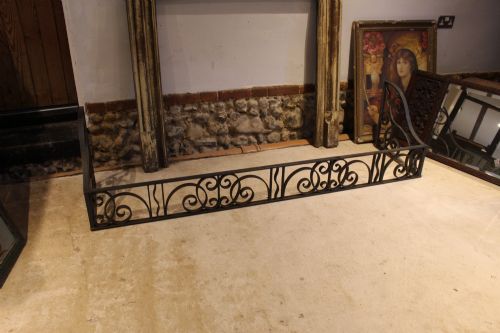
A fireplace fender kerb sits directly on the hearth to contain ash and wood whilst defining the boundary of the fireplace. The selection spans structural hearth accessories from the Georgian era through to the Edwardian period.
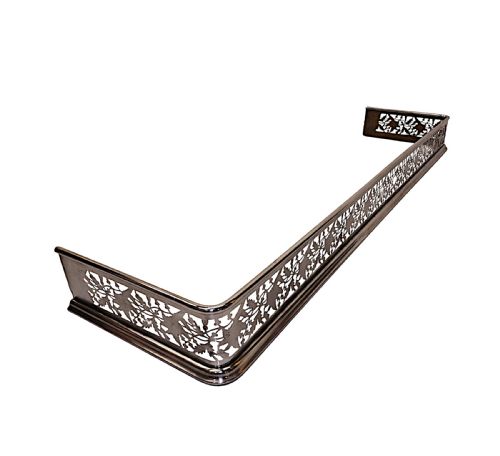
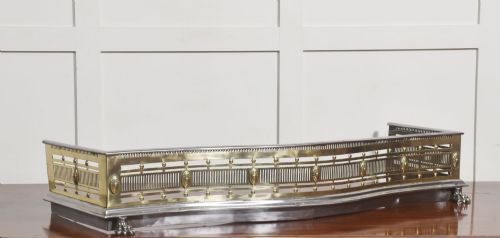
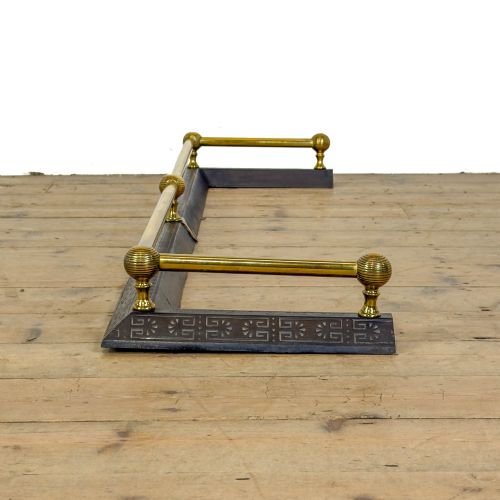
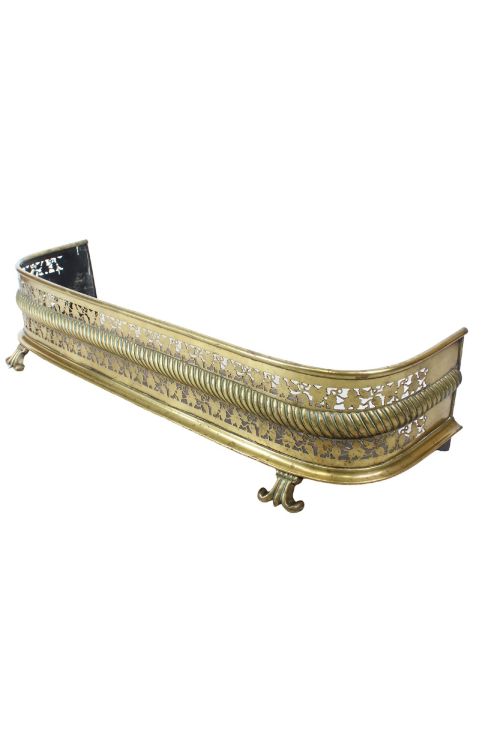
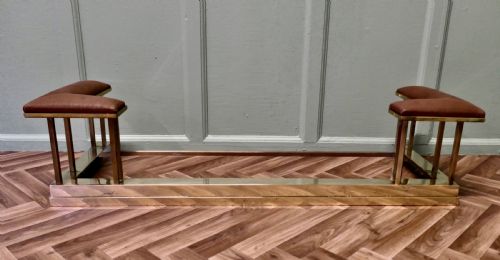
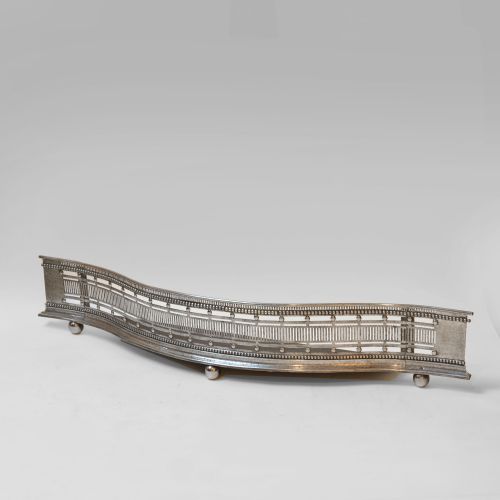
Most examples found here date from the 19th century and the Victorian era, utilising traditional metals like brass and steel. Forms range from simple pierced low rails to substantial club fenders featuring upholstered seats.
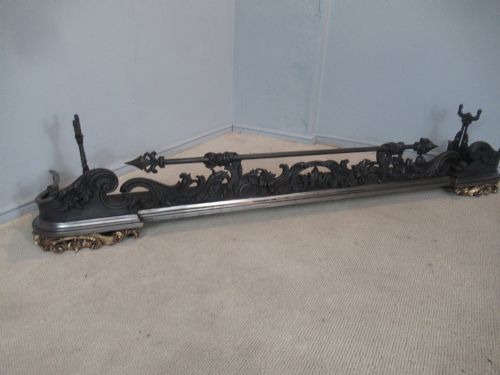
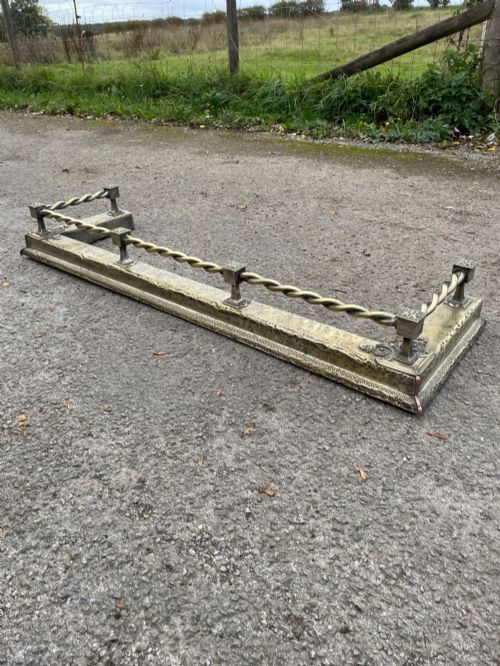
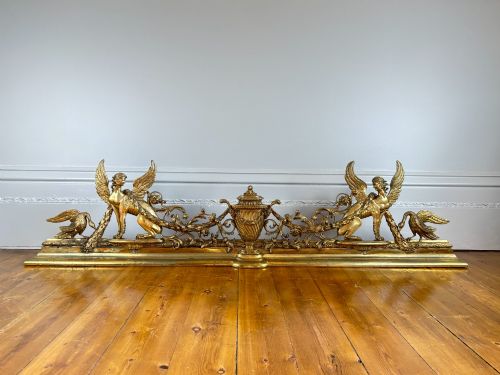
Makers shaped these guards to suit specific architectural styles, incorporating French Rococo, Regency, Art Nouveau, and Arts and Crafts motifs into the metalwork.
Materials and construction methods
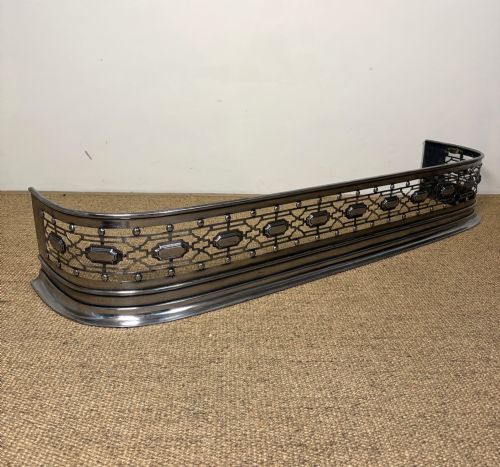
Makers constructed fireplace fender kerbs primarily using brass, cast iron, and steel, often combining them with copper and bronze for decorative contrast. Pierced sheet metal, cut steel studs, and riveted plates form the core structural and ornamental elements.
Fireplace Fender Kerb Retail Price Guide 2026
Typical asking prices for fireplace fender kerb among the pieces listed under this phrase on Sellingantiques today, from the lower quarter to the upper quarter. They describe what is for sale here now, not the wider market.
Early club fenders doubled as covert boot-scrapers where weary Victorians could tend the grate without ruining their slippers.
Judging the quality of metalwork and design
Quality rests in the weight of the metal and the crispness of decorative casting, distinguishing heavy cast brass or thick burnished steel from lighter pressed alternatives. Finer pieces display meticulous piercing, precise joinery, and integrated decorative elements like cut steel beads.
Design complexity also sets examples apart, moving from utilitarian iron guards to ornate neoclassical frames or substantial leather-topped club fenders built for domestic comfort.
E F Caldwell New York
The Fireplace Fender Kerb Glossary
- Club fender
- A low hearth guard featuring upholstered corner seats designed for fireside sitting. These robust pieces combine metal frames with leather squab cushions.
- Pierced brass
- Sheet metal perforated with decorative geometric or floral patterns. This technique lightened the visual weight of heavy brass guards.
- Cut steel
- Small faceted steel studs riveted individually to a metal backing to catch the firelight. This meticulous decoration is typical of finer period pieces.
- Patera
- A circular classical ornament resembling a flat libation dish, often stamped or cast onto metal friezes. It anchors symmetrical Victorian and Georgian decorative schemes.
Fireplace Fender Kerb: Frequently Asked Questions
What is a club fender?
A club fender is a hearth guard built with integrated leather-upholstered seats on either end. It originated in country houses to allow people to sit close to the fire.
These substantial pieces combine structural metal frames with comfortable seating, making them a social focal point in the room.
How do I measure for a fender?
Measure the width and depth of your hearth stone to ensure the kerb sits securely within the perimeter. Allow sufficient clearance between the fireplace opening and the inner edge of the guard.
Take note of any hearth returns or protruding masonry that might affect the fit of rigid corner joints.
Are antique fenders adjustable?
Some period examples were manufactured with sliding mechanisms to alter their overall length. This engineering allowed them to be fitted across varying fireplace openings.
Fixed-size models remain more common, requiring exact matching to your hearth dimensions.
How do I clean brass and steel?
Maintain brass components with a soft cloth and mild metal polish to preserve the surface without removing historical patina. Steel parts require light oiling or dry dusting to prevent surface oxidation in damp environments.
Avoid abrasive pads that scratch antique finishes and damage hand-applied patination.