

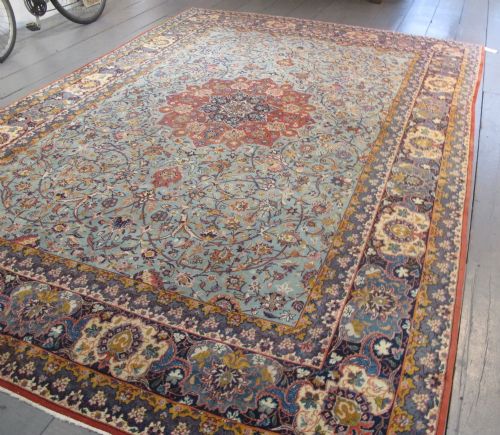
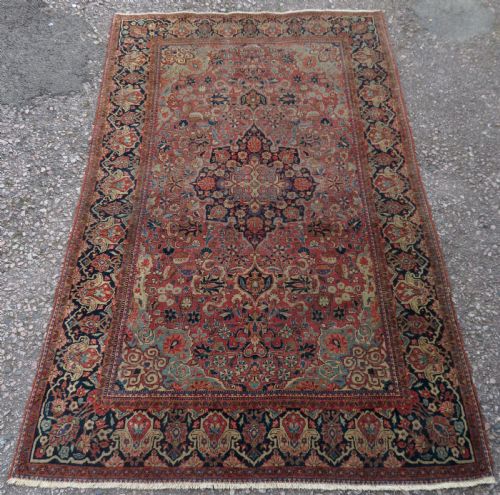
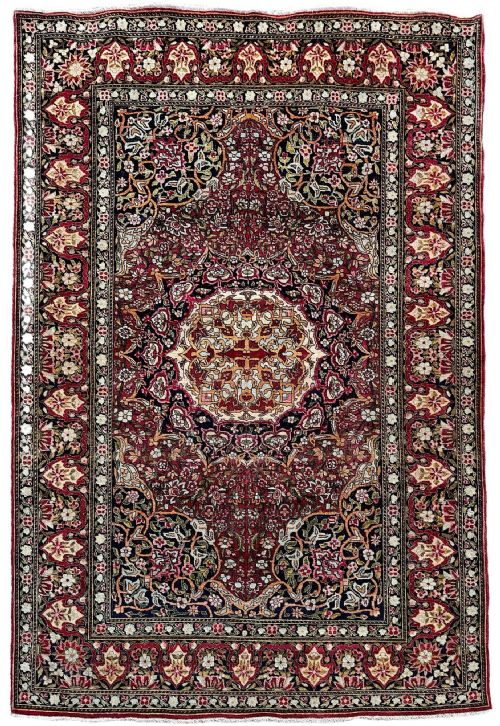
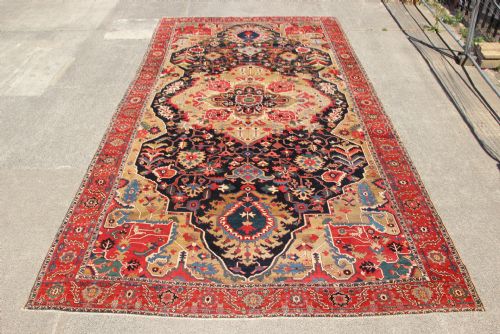



Fine Persian Floor Rug
A fine persian floor rug brings depth and rich heritage to a room, offering centuries of master weaving for daily life.
Fine Persian Floor Rug
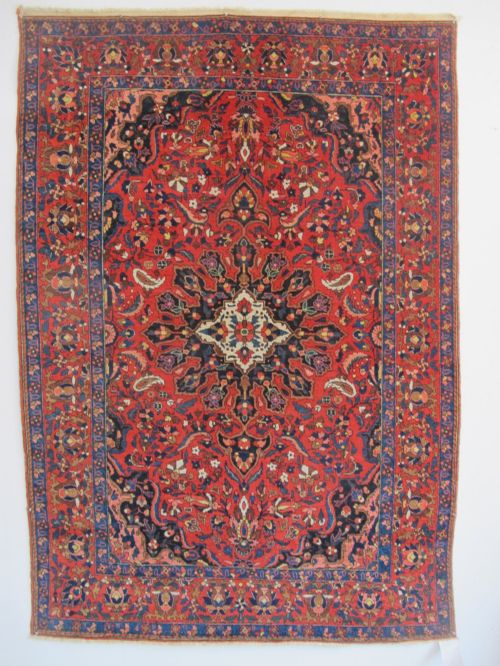
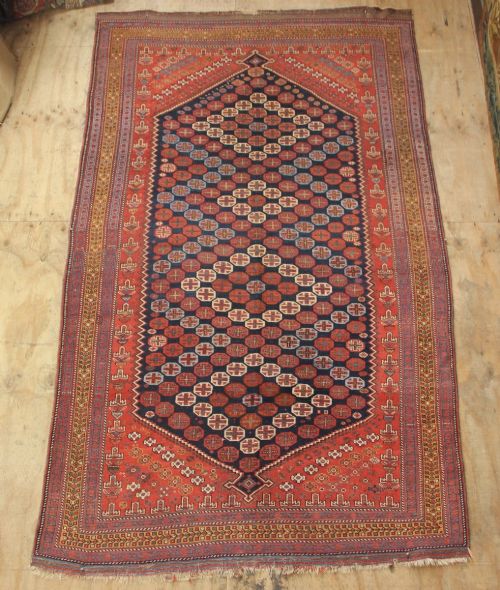
A fine persian floor rug encompasses woven textiles originating from Persia during the nineteenth and early twentieth centuries. These pieces serve as practical floor coverings and artistic centerpieces, shaped by distinct regional traditions spanning urban workshops and tribal communities.
The selection here includes room-size carpets and smaller area rugs originating from major weaving centres like Isfahan, Tabriz, Kashan, and Heriz. Buyers will encounter both grand medallion designs and intricate all-over floral or vase motifs.
Examples date from the late nineteenth century through to the early decades of the twentieth century. Each piece reflects the specific aesthetic and technical standards of its particular origin.
Materials and technique
Production relies heavily on natural materials, specifically cotton for foundational warps and wefts, paired with wool, hand-knotted wool, kork wool, or silk for the pile. These fibres were dyed using traditional organic sources to achieve lasting depth of colour.
The construction involves meticulous hand-knotting executed on vertical looms, allowing artisans to create dense, durable surfaces with complex geometric or curvilinear patterns. The tightness of the knotting directly dictates the crispness of the design details.
Fine Persian Floor Rug Retail Price Guide 2026
Typical asking prices for fine persian floor rug among the pieces listed under this phrase on Sellingantiques today, from the lower quarter to the upper quarter. They describe what is for sale here now, not the wider market.
Some master weavers incorporated slight deliberate irregularities into their geometric patterns, believing only divine creation could achieve absolute perfection.
What varies in quality
Quality rests upon the fineness of the knot count and the precision with which the intricate cartoon is translated onto the loom. Superior density allows for sharper lines and more complex pictorial elements.
The grade of wool or silk utilised alters the tactile softness and the subtle play of light across the surface. Master weavers working in renowned workshops achieved a harmony of palette and structural integrity that separates standard pieces from exceptional works.
Mohtasham Kashan·Hajji Jalili
The Fine Persian Floor Rug Glossary
- Medallion
- A symmetrical ornamental motif placed at the centre of the rug field. This central design element often dictates the geometric balance of the entire composition.
- Warp
- The vertical threads stretched tightly on the loom that form the structural skeleton of the rug. Fringe ends typically originate from these foundational threads.
- Weft
- The horizontal threads passed across the warps between rows of knots to bind the structure together. This material supports the firmness of the woven body.
- Pile
- The upright cut or looped fibres that form the soft upper surface of the rug. Pile density determines how the textile handles wear and foot traffic.
- Kork wool
- High-grade fleece gathered from the neck and shoulders of sheep, prized for its natural lanolin content and softness. This material yields a particularly lustrous and durable pile.
Fine Persian Floor Rug: Frequently Asked Questions
How do I identify a Heriz carpet?
Heriz carpets are generally recognised by their bold, geometric medallion structures and robust corner spandrels. They frequently employ a distinctive palette dominated by deep reds, terracotta, and contrasting navy blues.
The cotton foundations in these pieces tend to be heavy and stiff, reflecting the rugged mountain conditions of north-west Persia where they were made.
What is the difference between silk and wool rugs?
Silk rugs offer an exceptionally fine, lustrous pile that allows for microscopic detail and a shimmering visual effect. They are typically intended as decorative showpieces rather than heavy floor coverings.
Wool rugs provide greater resilience and warmth, making them far better suited for rooms with regular foot traffic. The natural oils in the wool help resist daily dirt and wear.
How can I tell where my rug was made?
Regional attribution relies heavily on specific design motifs, colour combinations, and structural characteristics such as knot type and selvage finishing. For instance, Isfahan pieces often feature refined floral curves on ivory grounds, while Bidjar rugs are known for heavy, rigid foundations.
Comparing the border arrangements and secondary motifs against documented weaving traditions helps pinpoint the exact provenance.
How should I care for an antique rug?
Regular, gentle vacuuming without a rotating beater bar prevents dust accumulation within the pile. Keeping the rug out of direct, harsh sunlight prevents the natural dyes from fading over time.
Professional cleaning by a specialist familiar with antique textiles is essential every few years to maintain the integrity of the fibres.