


Fine Persian Floor Carpet
A fine persian floor carpet brings centuries of textile artistry into a room, offering rich central medallions, intricate floral motifs and durable construction.
Fine Persian Floor Carpet
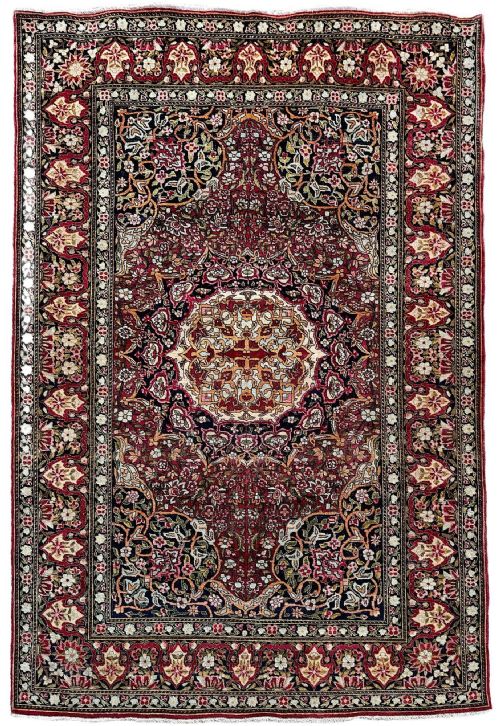
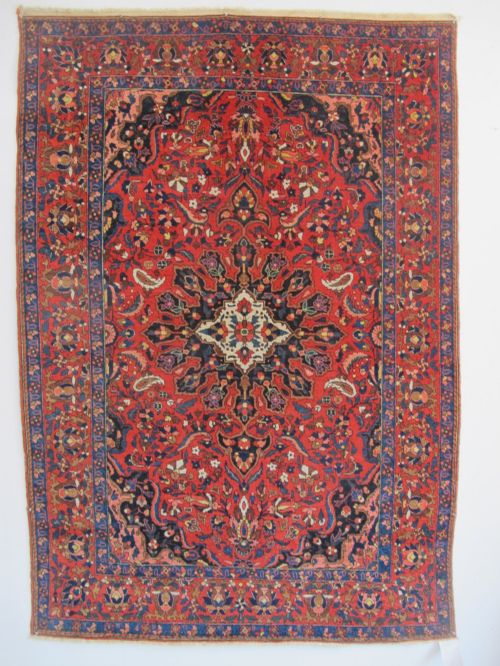
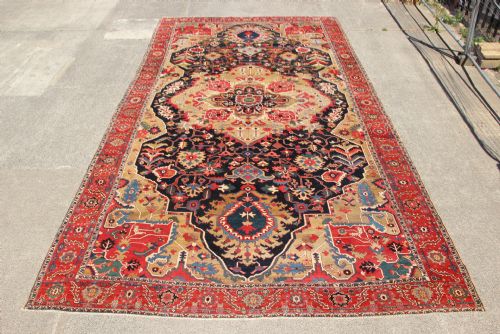
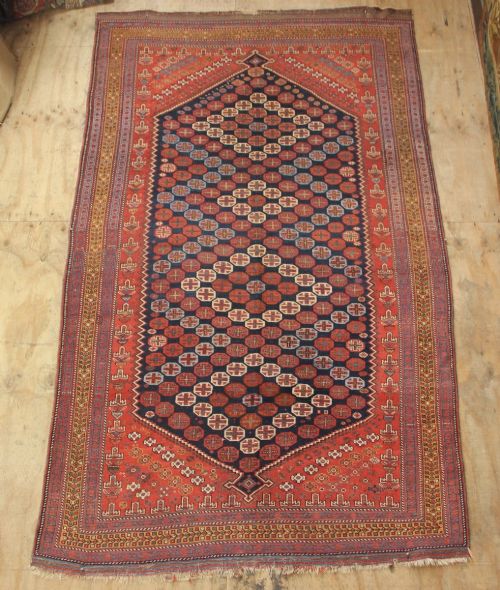
A fine persian floor carpet represents large-scale room coverings and smaller rugs originating from weaving centres across Persia, spanning the late nineteenth century through to the early twentieth century. Buyers seeking a fine persian floor carpet encounter distinct regional styles such as Isfahan, Tabriz, Heriz, Kashan and Qum, each displaying characteristic medallion layouts, prayer designs or overall garden patterns.
These floor coverings serve both functional and decorative purposes, designed to anchor large living spaces or provide focal points in smaller rooms. The selection ranges from room-size carpets exceeding four metres in length to compact scatter rugs, accommodating diverse architectural proportions.
How they were made
Weavers constructed these carpets using hand-knotted techniques on cotton or wool foundations, binding the pile tightly to ensure longevity under foot. The materials rely primarily on natural wool, including soft kork or kurk wool, alongside occasional uses of fine silk for detailed highlights.
Dyers utilised natural botanical and mineral sources to achieve deep indigos, madder reds and subtle earthy tones that soften gracefully over decades. The precision of the knotting allows for complex curvilinear and geometric cartouches to emerge clearly across the field and border.
Some weavers cleverly embedded slight deliberate imperfections into symmetrical patterns, leaving room for perfection to remain solely with the divine.
What varies in quality
The density and uniformity of the hand-knotting dictate the crispness of the design, with higher knot counts permitting intricate curves and precise botanical details. Superior examples display masterful colour balance and harmonious dye lots that maintain visual depth across the entire surface.
Material selection also defines the tier of a piece, distinguishing standard wool piles from ultra-fine silk weaves or superior kork wool. The integrity of the original foundation and the preservation of the outer borders further separate everyday utility pieces from master-weaver workshop creations.
Mohtasham Kashan·Hajji Jalili
The Fine Persian Floor Carpet Glossary
- Medallion
- A central ornamental motif set into the middle of the carpet field. This prominent design element often dictates the symmetry of the surrounding corner spandrels and borders.
- Knot count
- The density of individual knots tied per square inch or centimetre. Higher numbers generally indicate greater technical skill and allow for sharper pictorial detail.
- Warp and weft
- The foundational threads running vertically and horizontally through the carpet. Cotton is the standard material used for these structural elements in traditional Persian weaving.
- Spandrel
- The triangular area situated between a central medallion and the rectangular corners of the field. These spaces are typically filled with floral scrolls or geometric motifs.
- Pile
- The upright yarn surface formed by the cut ends of the hand-knotted threads. This layer provides the soft texture and absorbs foot traffic over generations.
Fine Persian Floor Carpet: Frequently Asked Questions
How do I clean a antique carpet?
Vacuum gently using a suction-only attachment without a rotating brush bar to protect the delicate wool or silk pile from snagging or pulling.
Professional specialist washing remains essential for deep cleaning, as domestic cleaning methods risk bleeding natural dyes or damaging the cotton foundation.
Where should I place a large carpet?
Position the piece in low-moisture living spaces, formal reception rooms or studies where foot traffic is moderate and even.
Utilising a high-quality breathable rug underlay prevents slipping, cushions the foundation against hard flooring and reduces friction wear over time.
How do regional styles differ?
Town workshops such as Isfahan, Tabriz and Kashan favour curvilinear floral arrangements, vases and central medallion formats executed with high knot density.
Tribal and village productions like Heriz, Karaja or Bakhtiar lean towards bolder geometric structures, heavy rectilinear borders and robust rustic wool.
What indicates workshop origin?
Distinctive design signatures, specific colour palettes and particular structural materials point directly to known weaving centres across Persia.
Master workshops often integrated specific floral cartouches, signature borders or exceptional silk detailing that distinguish them from standard regional output.