

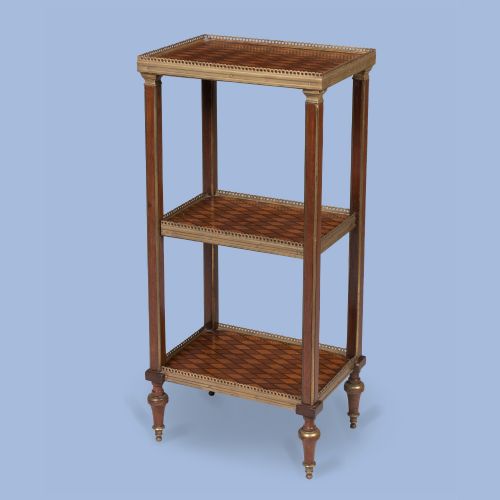


Fine Marquetry Furniture
Fine marquetry furniture brings together intricate timber veneers and foundational cabinet-making across periods from the seventeenth century onward.
Fine Marquetry Furniture
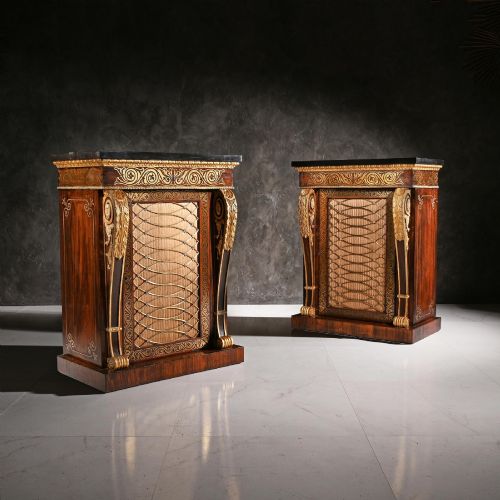
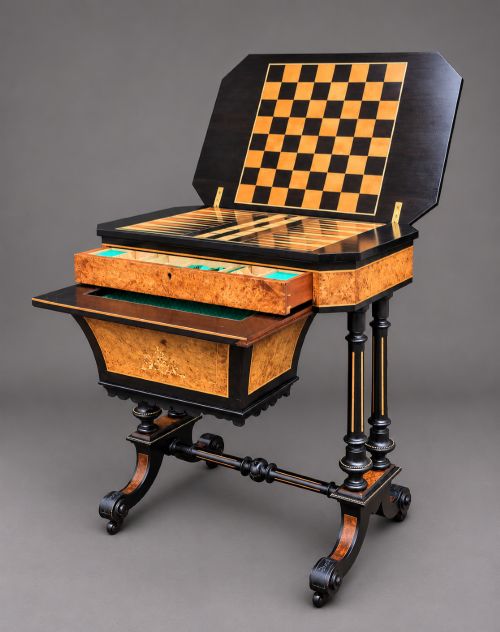
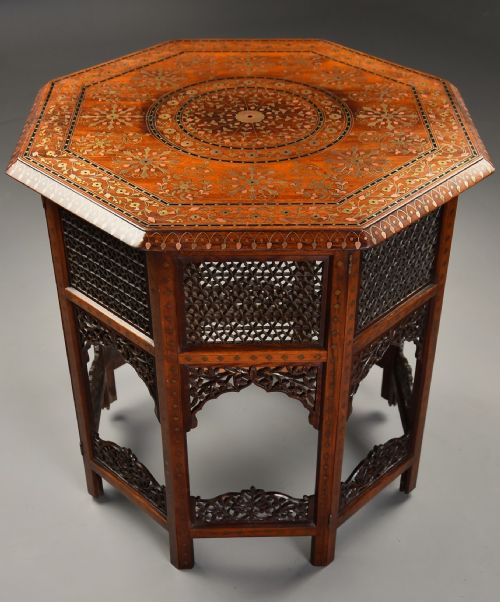
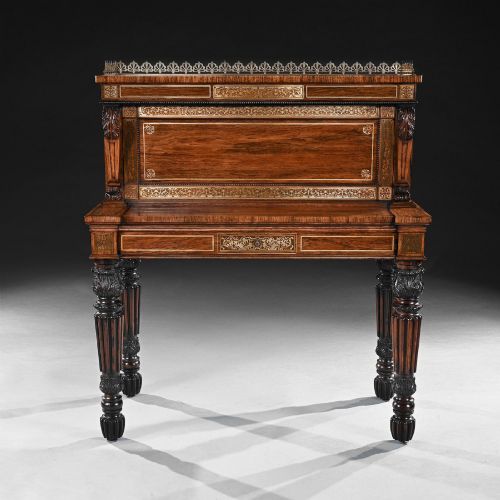
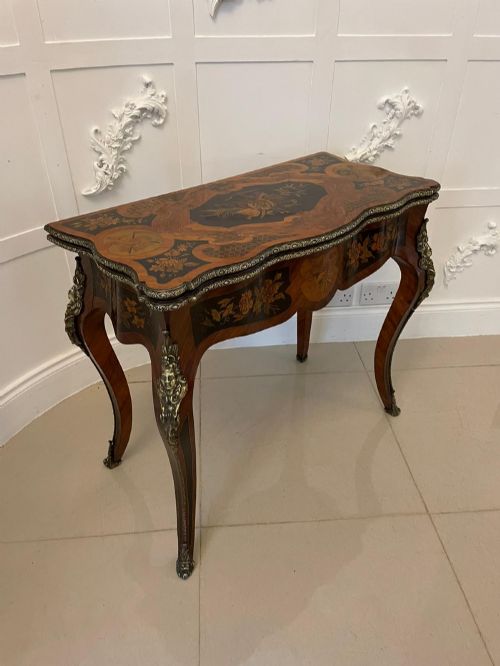
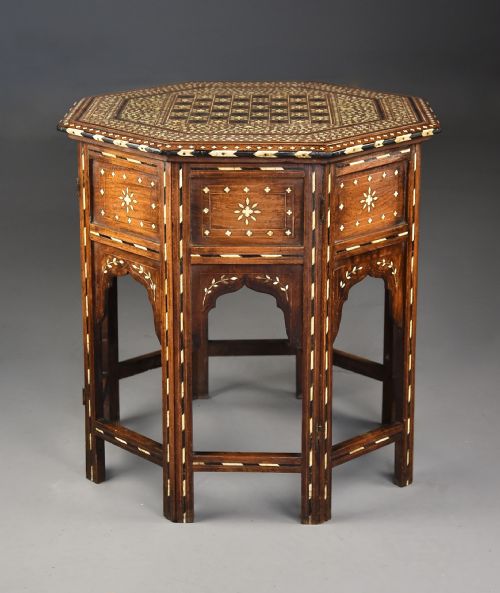
Fine marquetry furniture consists of cabinets, tables, commodes, and writing desks decorated with fitted veneer patterns. These decorative surfaces use contrasting timbers and metals to create pictorial or geometric designs across the primary face.
Victorian and Edwardian interpretations dominate the selection alongside eighteenth-century Dutch and French pieces. Satinwood, rosewood, walnut, and mahogany provide the primary ground timbers for these decorative surfaces.
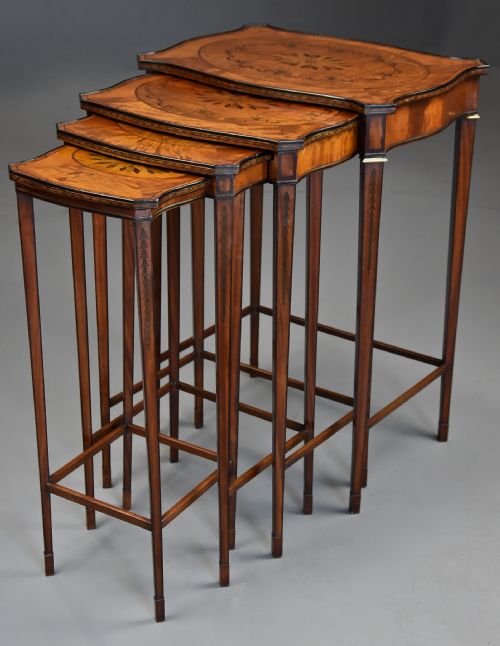
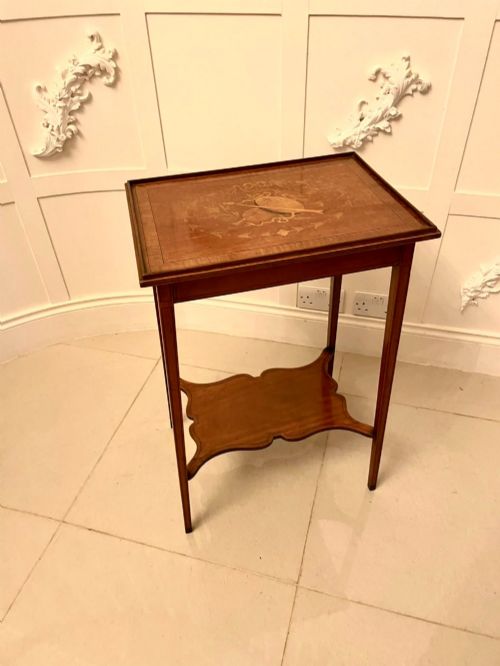
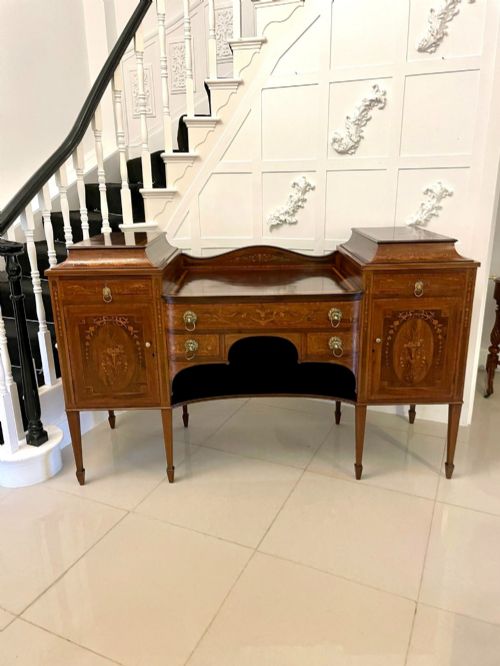
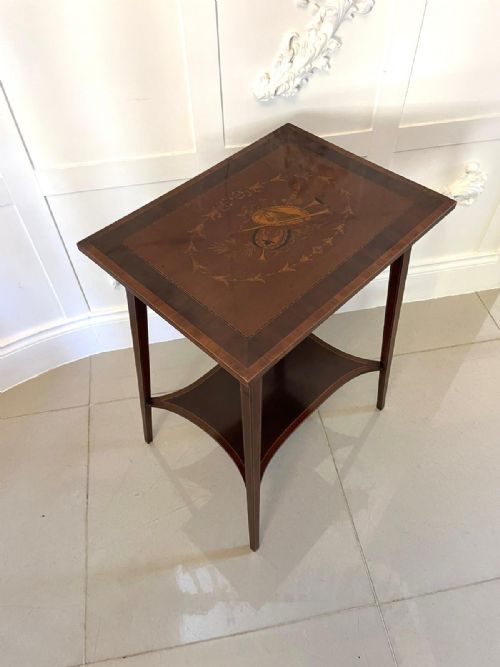
Forms range from small nest tables and lamp tables to large sideboards, display cabinets, and bureaus. Each type demonstrates the application of detailed inlay techniques to functional household items.
How they were made
Craftsmen cut thin veneers of satinwood, rosewood, kingwood, walnut, and mahogany, assembling them by hand into complex pictorial or geometric compositions. These veneers were then glued to solid secondary woods and secured with fine brass, ormolu, and pewter mounts.
Specialised workshops employed precise sawing and fitting methods to ensure tight joints between contrasting timber species. Ormolu mounts and gilt-bronze elements were cast and chased to frame the veneered panels on French and English pieces.
Fine Marquetry Furniture Retail Price Guide 2026
Typical asking prices for fine marquetry furniture among the pieces listed under this phrase on Sellingantiques today, from the lower quarter to the upper quarter. They describe what is for sale here now, not the wider market.
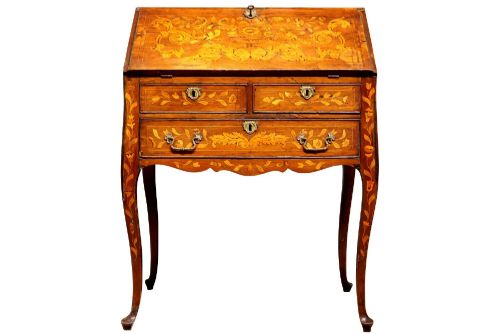
The furniture forms on this page include display cabinets, side tables, card tables, nests of tables, chests of drawers, and bureaus.
What varies in quality
The precision of the veneer cutting and the complexity of the timber contrast determine the upper tier of execution. Tighter joints between contrasting wood species and more elaborate floral or architectural motifs separate standard items from exhibition pieces.
The quality of the foundational timber and the preservation of the original surface finish dictate the standing of an item. Original mounts, intact brass or pewter inlay, and balanced proportions across serpentine or demi-lune forms elevate the piece.
Gillows Oxford Street Workshop·Hewetsons London·Émile Gallé·Edwards & Roberts·Collinson & Lock·Shoolbred of London·Jackson & Graham
The Fine Marquetry Furniture Glossary
- Marquetry
- Decorative veneer work forming pictures or designs by assembling pieces of different woods, metals, or shells onto a structural carcase. This technique defines the surface decoration across cabinets, tables, and commodes.
- Satinwood
- A durable hardwood with a lustrous, yellow-gold sheen frequently used as a primary veneer in eighteenth and nineteenth-century English furniture. Its bright surface provides high contrast for darker inlay woods.
- Ormolu
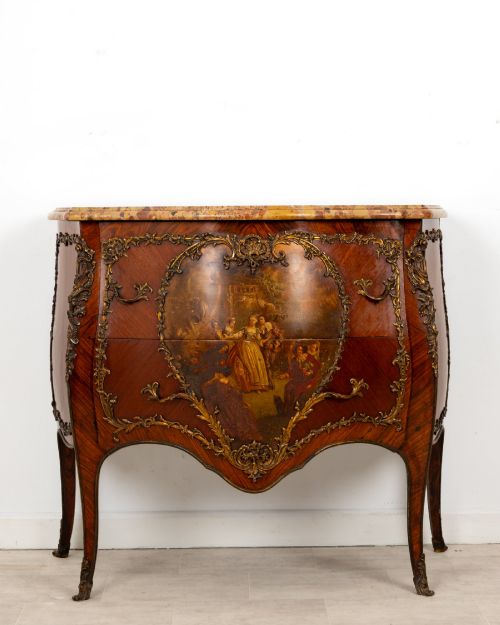
- Gilded bronze mounts applied to furniture edges, corners, and feet to accent the timber design. This technique appears frequently on French revival pieces.
- Boulle
- Marquetry work utilising tortoiseshell and brass or pewter, developed in France and seen on nineteenth-century side cabinets and display pieces. The contrasting materials create a metallic and dark amber pattern.
- Quartetto
- A set of four graduating tables designed to nest inside one another. These sets appear in Edwardian satinwood variations.
Fine Marquetry Furniture: Frequently Asked Questions
How do I clean fine marquetry surfaces?
Dust surfaces regularly with a soft, dry cloth to prevent particulate buildup in the veneer joints. Avoid water and modern chemical polishes, which can loosen old animal glues and damage delicate timber inlay.
Apply a microcrystalline wax sparingly when the wood appears dry to protect the original finish. Buff gently with a clean cloth following the direction of the grain.
Are these pieces suitable for daily use?
Many items serve practical roles as side tables, cabinets, or desks in modern rooms. Their historic veneer construction requires stable indoor humidity away from direct heat sources.
Protect surfaces from moisture and heavy impacts by using coasters and felt pads. Placed carefully, they function reliably alongside contemporary furnishings.
How do I distinguish nineteenth-century revival pieces from earlier originals?
Examine the secondary woods inside drawers and carcase backs for tool marks and timber species. Nineteenth-century revivals often use machine-sawn framing timbers alongside traditional hand-cut veneers.
Check the style of the brass hardware, locks, and ormolu mounts for period consistency. Revival makers often adopted specific eighteenth-century forms while employing Victorian or Edwardian construction methods.
What causes veneer to lift on these tables?
Fluctuations in temperature and humidity cause the underlying wood to expand and contract at different rates than the veneer. This movement breaks down the historic animal glue holding the pieces to the carcase.
Keep pieces away from radiators, fireplaces, and direct sunlight to maintain stable conditions. Professional conservators can re-secure lifted sections using traditional hot hide glue.