

Fine Knotted Carpet
A fine knotted carpet brings dense pattern and enduring floor textiles into a room, spanning workshops from Persia, the Caucasus, and China.
Fine Knotted Carpet
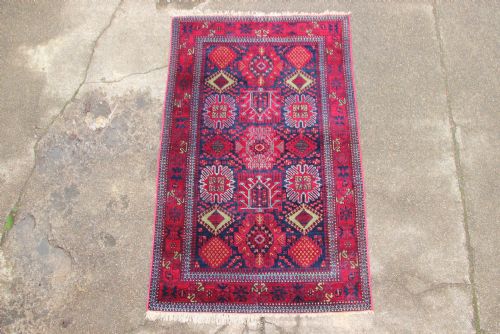
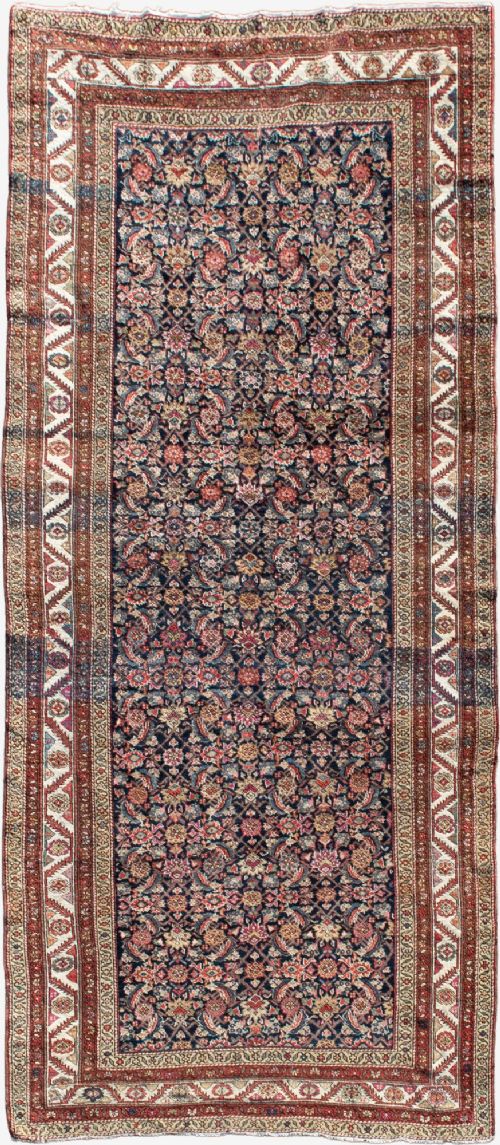
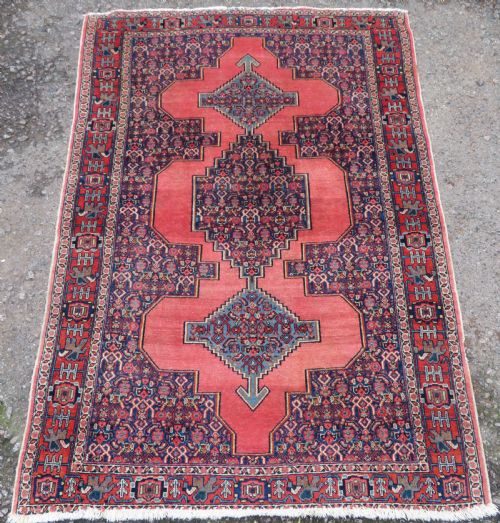
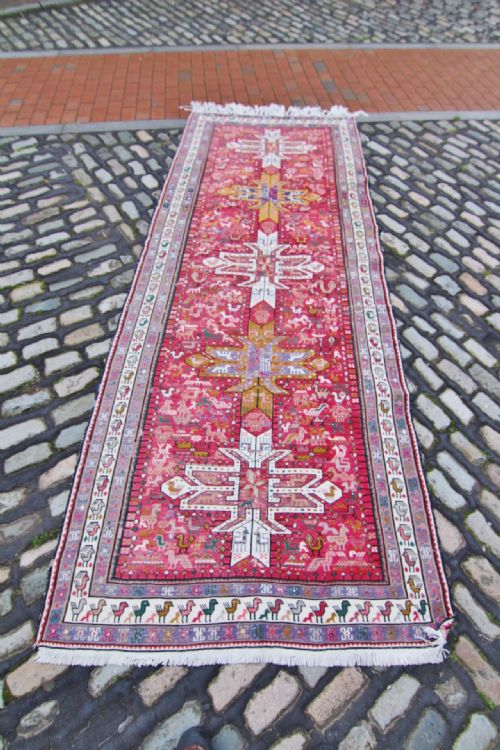
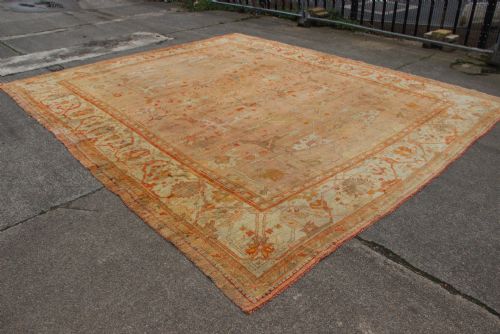
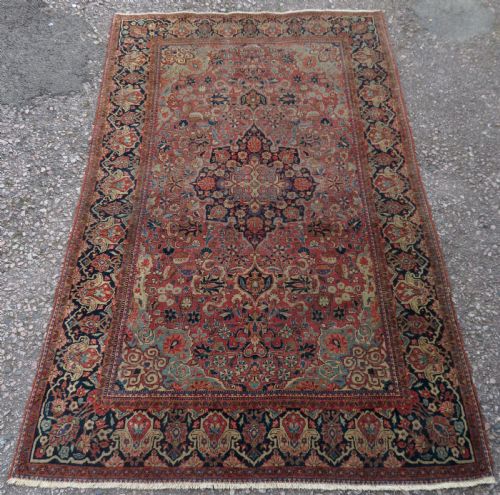
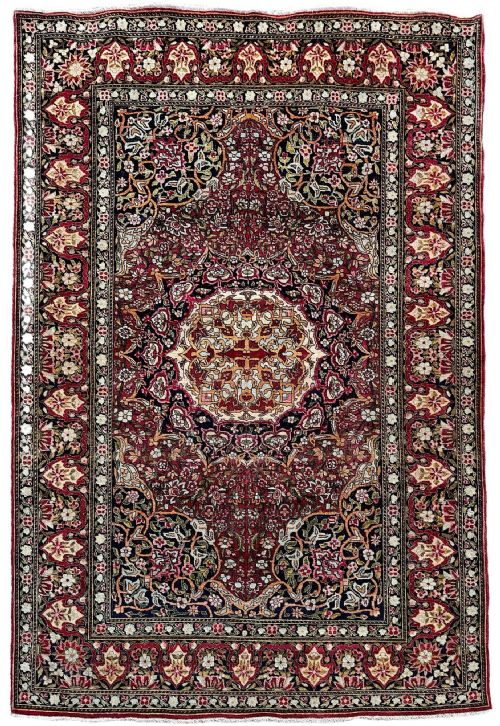
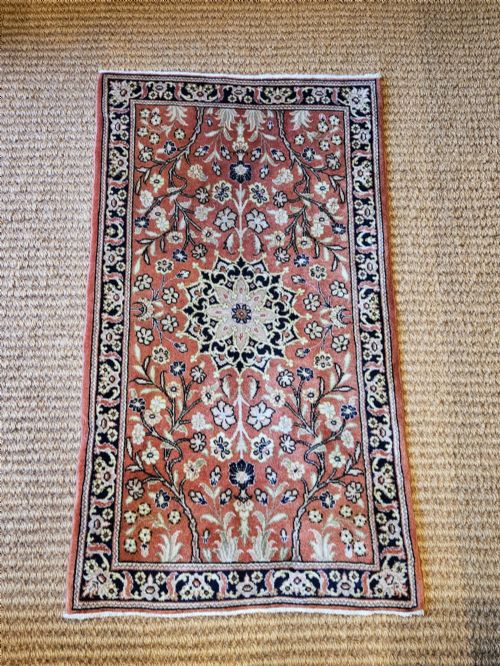
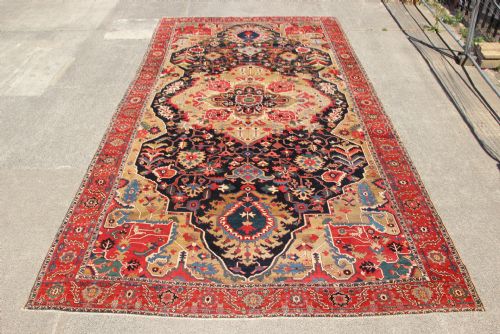
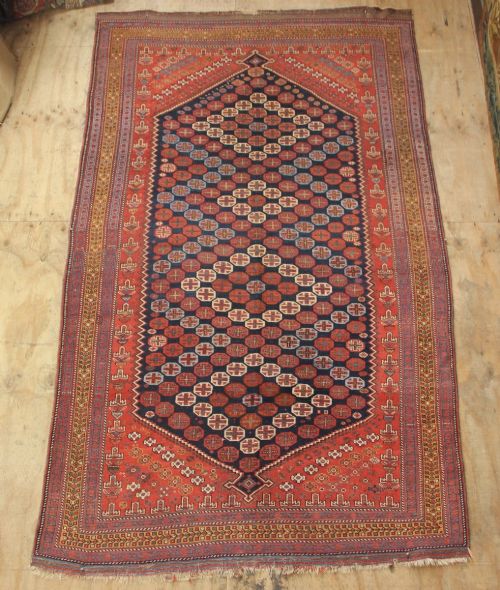
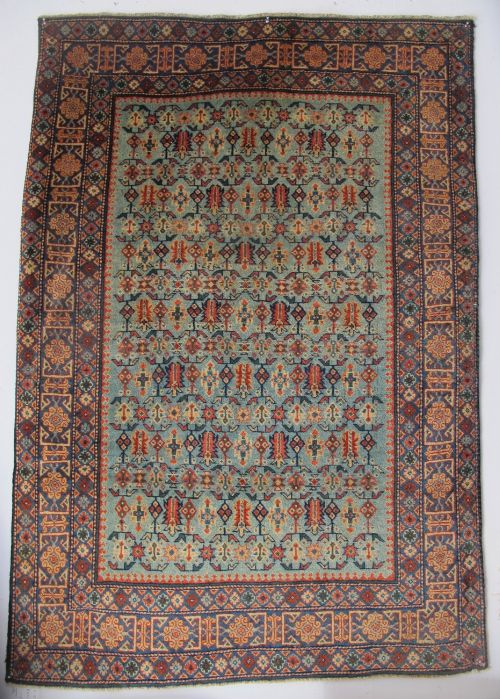
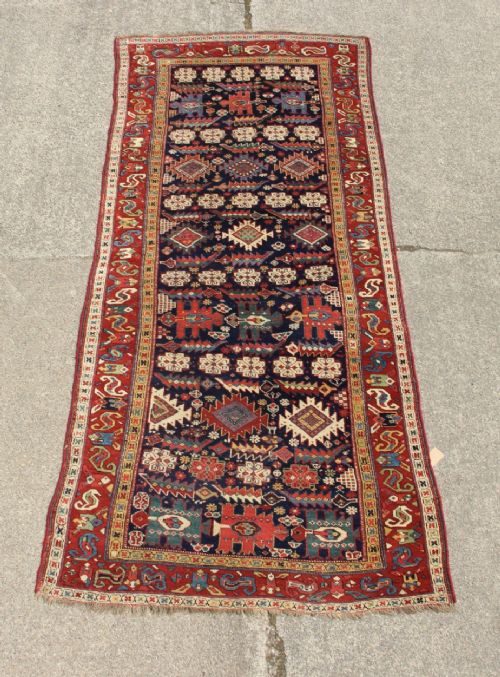
A fine knotted carpet represents a tradition of textile weaving spanning the latter half of the nineteenth century and the early decades of the twentieth century. When searching for a fine knotted carpet, buyers encounter formats ranging from compact hearth rugs to large room-sized carpets and elongated runner rugs.
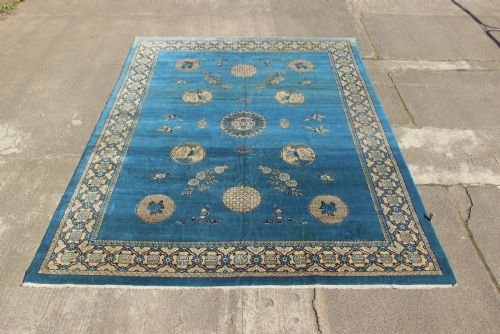
The regional origins seen on this page stretch across Persian centres such as Kashan, Isfahan, Tabriz, and Heriz, alongside Caucasian and Chinese examples. Traditional Persian styles, Kurdish tribal pieces, and Afshar designs dominate the visual landscape of these woven textiles.
Makers and workshops varied from city ateliers producing curvilinear floral compositions to village weavers working with geometric medallions and tribal motifs. The resulting floor coverings serve both practical footing and intricate decorative statements.
Materials and construction
The construction relies on foundation threads of cotton or wool onto which individual knots are tied by hand, building up a dense pile. Weavers utilised natural dyes to colour the yarns, producing deep hues that mellow gracefully over decades of light and use.
Wool serves as the primary material for the pile, often augmented by hand-spun wool and soft lambswool in traditional village pieces. Finer urban examples occasionally incorporate silk to achieve sharper detail and a luminous surface sheen.
Fine Knotted Carpet Retail Price Guide 2026
Typical asking prices for fine knotted carpet among the pieces listed under this phrase on Sellingantiques today, from the lower quarter to the upper quarter. They describe what is for sale here now, not the wider market.
Distinctions in quality
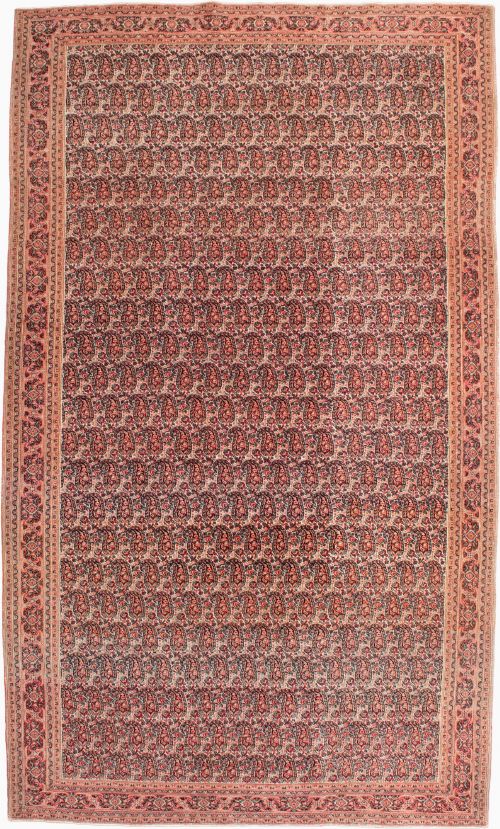
Knot density dictates the clarity of the design, with tightly packed knots allowing for intricate curves and precise floral or geometric outlines. The quality of the wool or silk employed determines the resilience of the pile and how the textile handles wear over generations.
The chemical composition of the natural dyes used in production affects how the colours age, shifting uniformly rather than harsh fading. Master weavers in established city workshops achieved balanced symmetry and disciplined palettes that set them apart from standard village output.
Mohtasham Kashan·Ahmadi Isfahan
The Fine Knotted Carpet Glossary
- Knot density
- The count of individual knots per unit area on the reverse of the carpet. Higher counts typically indicate greater workshop precision and finer detail.
- Medallion
- A central ornamental design motif placed in the middle of the carpet field. Many Persian and Caucasian pieces anchor their symmetry around this focal point.
- Natural dye
- Colourants derived from plant, insect, or mineral sources rather than synthetic chemical compounds. These dyes age with subtle tonal variations.
- Runner
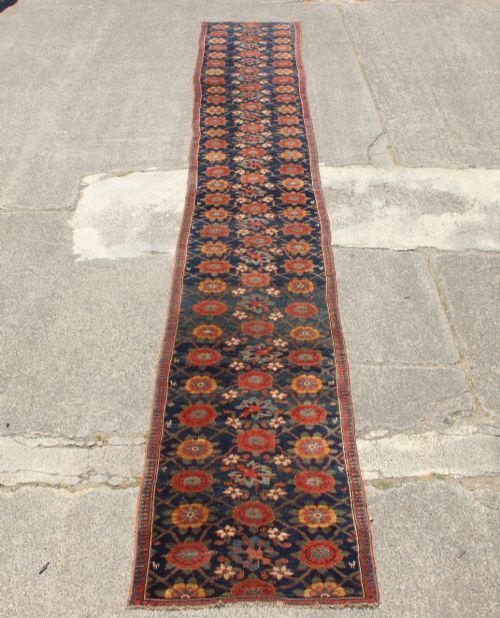
- A long, narrow carpet format designed for corridors, hallways, or narrow spaces. They often feature repeating geometric or medallion patterns.
- Pile
- The upright yarn surface of the carpet formed by the cut ends of knots. The height and density of the pile influence both comfort and durability.
Fine Knotted Carpet: Frequently Asked Questions
How do I clean an antique carpet?
Gentle surface brushing and regular light vacuuming without a beater bar help remove embedded dust from the wool pile. Professional textile conservators should handle wet washing to prevent dye migration and shrinkage.
Harsh chemical cleaning agents and excessive water will strip natural oils from the wool and damage delicate foundation threads. Proper maintenance preserves the structural integrity of the weave over decades.
Can I place these carpets in heavy traffic areas?
Durable wool construction allows many of these rugs to handle everyday foot traffic in hallways and living spaces. Placing a quality underlay beneath the carpet prevents slipping and reduces friction against hard flooring.
Finer silk examples and fragile nineteenth-century fragments benefit from placement in low-traffic rooms or display as wall hangings. Evaluating the pile density helps determine suitable placement for daily use.
How do I tell Persian styles apart?
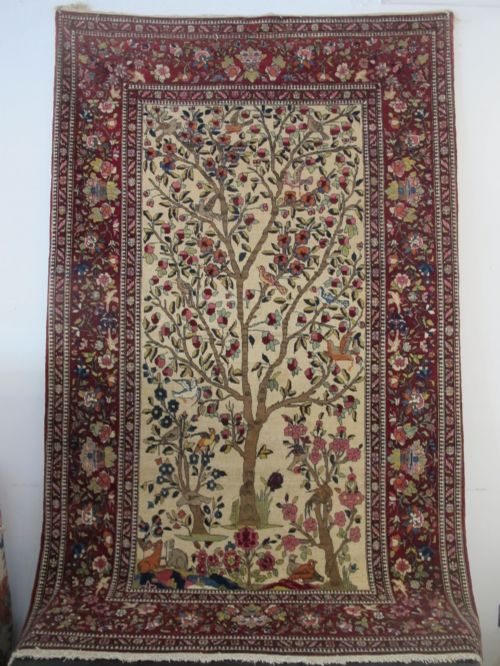
City workshops like Isfahan and Kashan typically feature refined floral arabesques and curvilinear medallions woven with high knot counts. Village and tribal styles from regions like Bakhtiar, Heriz, or the Caucasus favour bolder geometric forms and structural motifs.
Examining the border arrangements, colour palettes, and structural stiffness reveals the specific regional workshop tradition. Each weaving centre maintained distinct conventions passed down through generations.
What causes fading in older wool rugs?
Prolonged exposure to direct sunlight breaks down organic dye molecules, causing the surface colours to lighten over time. Natural dyes often mellow into soft, harmonious tones rather than losing their underlying character.
Rotating the carpet periodically ensures even exposure to ambient light and foot wear across the entire surface. Even faded examples maintain decorative value when the foundational design remains clear.