



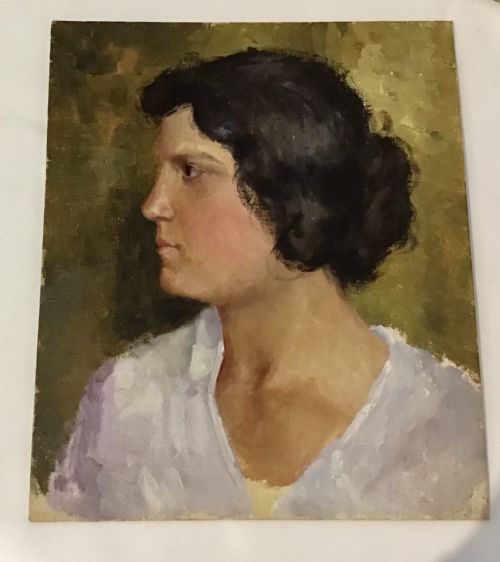
Fine Art Study
When you search for fine art study, you encounter direct preparatory works and finished compositions spanning multiple centuries.
Fine Art Study
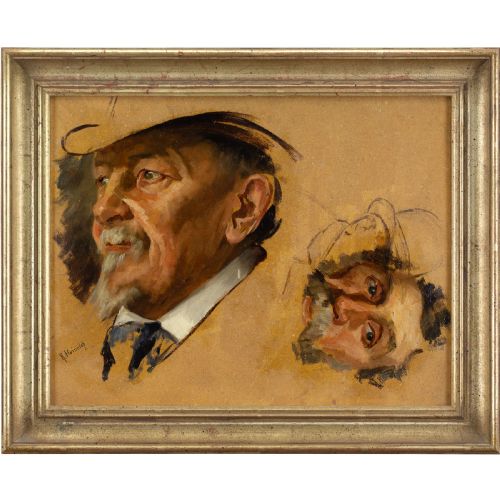
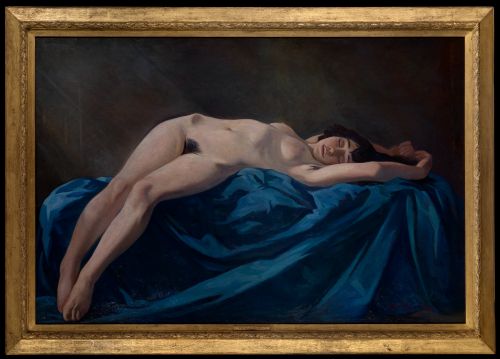
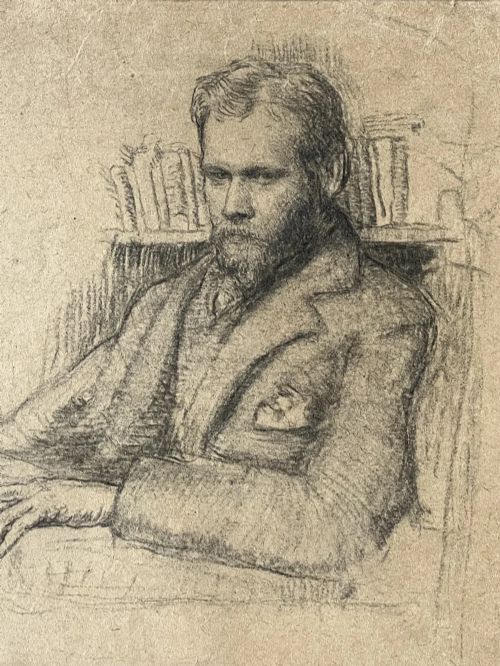
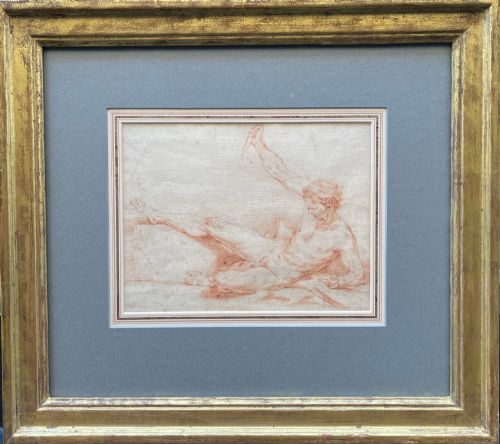
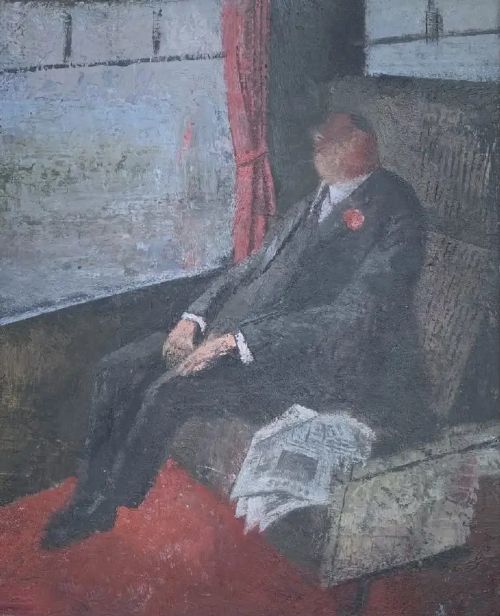
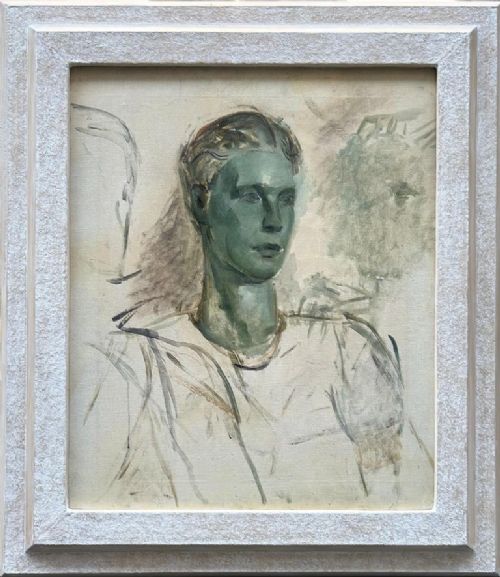
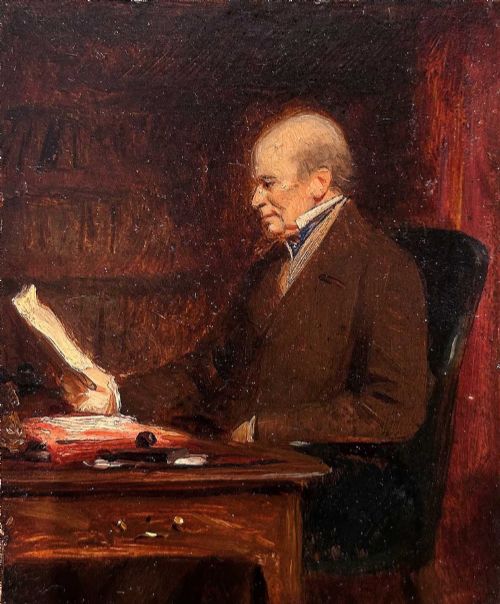
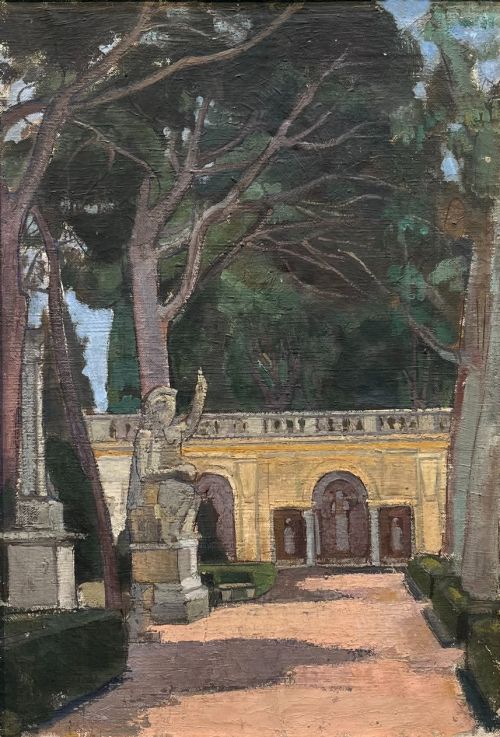
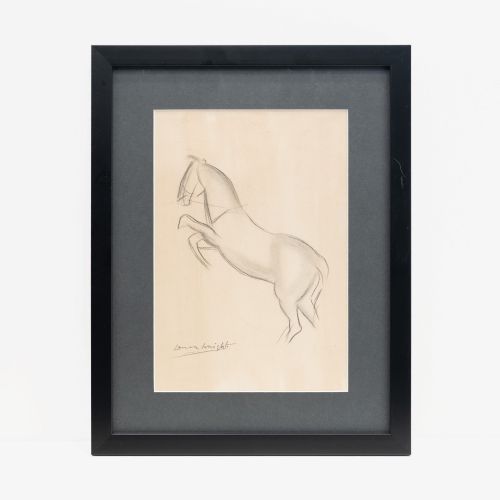
A fine art study captures the preliminary observations, anatomical explorations, or compositional tests created by artists before executing larger works. These pieces range from rapid pencil lines and charcoal drawings to more developed oil paintings on canvas, board, paper, or wood panel.
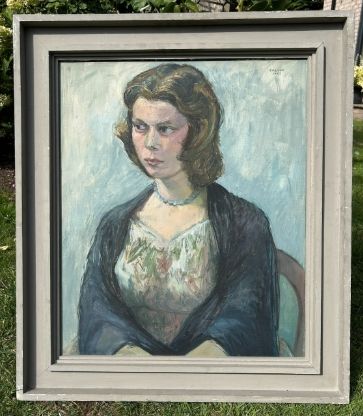
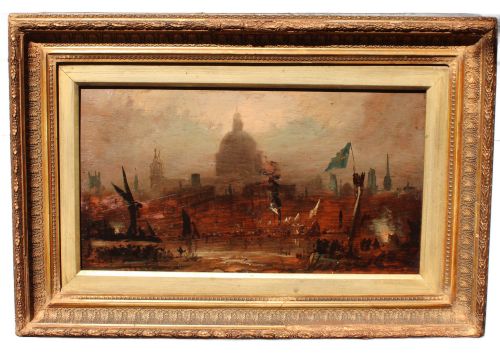
The selections on this page draw from periods spanning the eighteenth, nineteenth, and twentieth centuries, encompassing Victorian, Edwardian, Art Deco, and Modern British movements. Portraits, figure studies, animal subjects, and landscapes dominate the forms available in these listings.
Materials and techniques
Makers applied oil paint, watercolour, pastel, gouache, charcoal, ink, and pencil directly onto supports such as paper, canvas, wood, board, and glass. Oil on canvas and oil on panel provide rich surface textures, while works on paper utilise water-based media and dry drawing implements.
Techniques vary from academic realism and precise line drawings to impressionistic brushwork and spontaneous strokes that reveal the immediate intent of the artist.
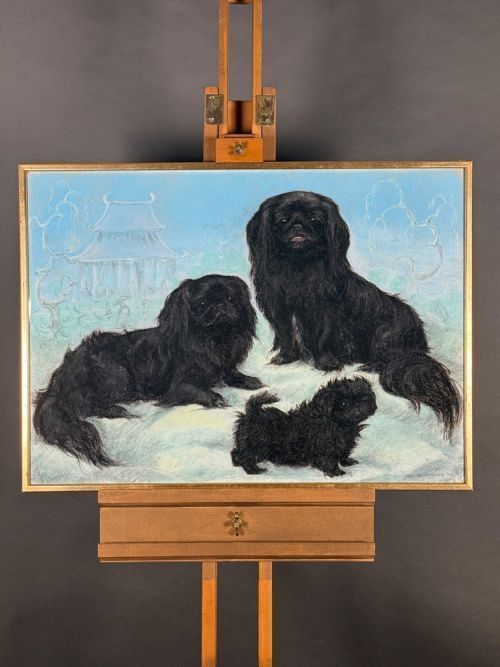
Among the historical portraits and landscapes, a drawing of three black Pekingese dogs and an oil of a purebred Arabian horse bring spirited animal company to the collection.
Distinctions in quality
Quality rests upon the sureness of the hand, the economy of line, and the ability of the maker to capture vitality within a restricted timeframe. A powerful study possesses an energetic presence and compositional clarity that finished works sometimes lack.
The reputation of the artist, the condition of the fragile paper or panel support, and the preservation of the original pigments further separate standard examples from exceptional pieces.
Thomas Ellison·Augustus John·Hyacinthe Colin de Vermont·Stephen Pearce·William Watt Milne·Dame Laura Knight·Maurice Adams·Raoul Millais·Sir Thomas Brock·James Clark·William Edward Frost
The Fine Art Study Glossary
- Study
- A preparatory work executed to explore a specific subject, figure, or composition prior to a finished piece. These works frequently display a directness and spontaneity lost in final gallery paintings.
- Academic Realism
- A style of painting and drawing produced under the influence of European academies of art. It prioritises precise anatomical accuracy, classical proportions, and polished surface finishes.
- Impressionism
- A nineteenth-century movement characterised by relatively small, thin, yet visible brush strokes and an emphasis on accurate depiction of light. Works in this style capture transient visual moments rather than detailed texture.
- Panel
- A rigid support for painting, typically constructed from wood. Artists have utilised wooden panels for centuries as a stable alternative to stretched canvas.
Fine Art Study: Frequently Asked Questions
What is a fine art study?
A fine art study is a preliminary or exploratory piece created by an artist to test composition, light, or anatomy before committing to a larger finished work. These pieces highlight the direct creative process without the constraints of a formal gallery commission.
They offer collectors a glimpse into the raw technique and immediate observations of the maker, often retaining a loose energy absent in final paintings.
How do I care for works on paper?
Works on paper require careful framing behind glass with acid-free mount boards to prevent deterioration from environmental pollutants. Direct sunlight causes fading in watercolours, pastels, and pencil drawings over time.
Keep these pieces in stable indoor environments away from excessive humidity and temperature fluctuations to preserve the fragile media.
How are different periods identified?
Periods are identified through a combination of costume, framing styles, material composition, and recorded signatures or documentation associated with the artist. Stylistic traits such as the academic precision of the nineteenth century or the simplified geometry of the Art Deco era provide reliable chronological markers.
Examining the reverse of the canvas, panel, or paper often reveals historical labels, inscriptions, or stamps that confirm the date.
Where should I hang these pieces?
These works suit domestic interiors that benefit from intimate focal points, such as studies, hallways, or living rooms where viewers can appreciate them at close range. Because many studies are modest in scale, grouping several complementary drawings or oil sketches together creates a striking display.
Ensure placement avoids direct exposure to heat sources and strong sunlight to maintain the integrity of the materials.