




Grey Paper Portrait
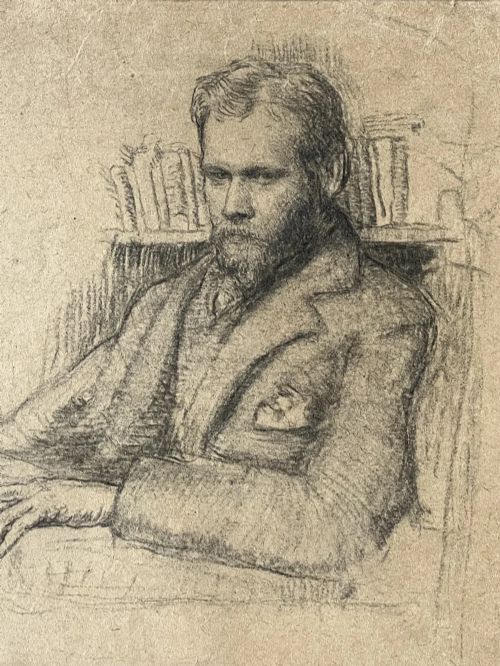
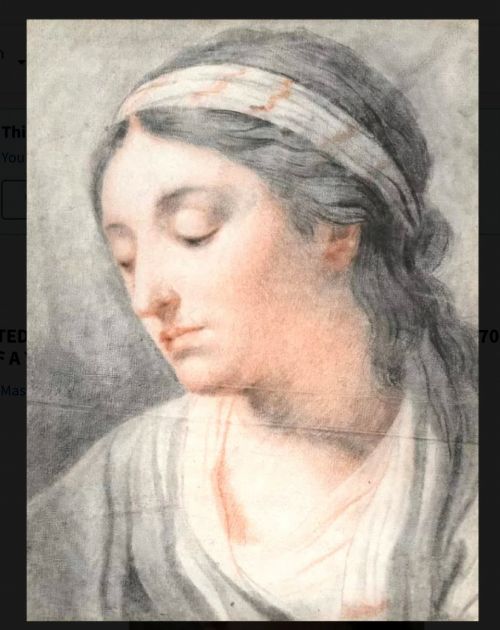
A grey paper portrait brings a subject to life through the tonal depth of graphite, charcoal, or pastel set against a tinted ground.
Grey Paper Portrait
A grey paper portrait relies on toned paper to build form, capturing likenesses across periods from the eighteenth century to the mid-twentieth century.
You will encounter portrait drawings, watercolours, and mixed media works executed on coloured or grey sheets, ranging from Victorian studies to Modern British pieces.
Materials and technique
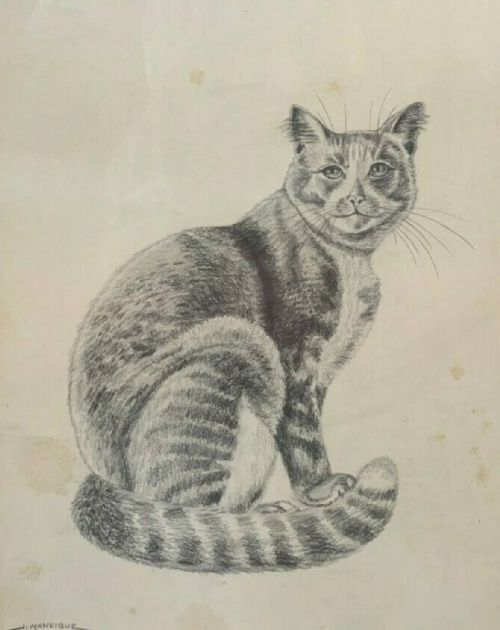
Artists utilise graphite, charcoal, chalk, and pastel on paper, often combining media to contrast dark shadows with highlighted grey grounds.
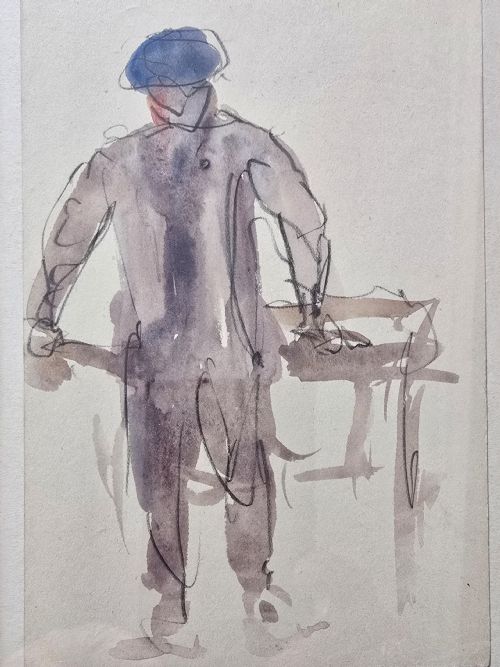
Watercolour and ink appear alongside pencil work, taking advantage of the tinted surface to hold tone without requiring a fully painted background.
Assessing quality
The strength of the draftsmanship dictates success, where economy of line and confident placement of tone outweigh mere finish.
Handling of the mid-tones defines the better examples, as the artist must use the grey paper itself to carry the weight of the shadow and light.
Augustus John·Johan Noah Bemmel·Leo Klin·Francis Dodd·George Richmond
The Grey Paper Portrait Glossary
- Graphite
- A form of carbon used in pencils to produce grey metallic marks ranging from hard fine lines to soft velvety shades. It forms the backbone of many early studies.
- Gouache
- An opaque water-based paint that provides solid highlights and bright touches of body colour. It sits on top of the paper rather than sinking into the fibres.
- Pastel
- A dry medium made of powdered pigment and a binder, pressed into sticks for drawing. It creates rich, velvety surfaces that blend directly on the paper.
- Neoclassical
- A style drawing inspiration from classical antiquity, often marked by restrained composition and clear line work. It spans several centuries of European portraiture.
Grey Paper Portrait: Frequently Asked Questions
What is a grey paper portrait?
These works are original drawings or paintings where the artist uses tinted grey paper as a middle tone, applying darks and lights to model the subject's face.
This technique allows the artist to work swiftly, letting the paper colour unify the composition and provide instant depth.
How should I frame these drawings?
Paper works require conservation-grade mounting to keep the delicate charcoal, chalk, or pastel away from the glass.
UV-filtering glass protects the fugitive pigments often found in older tinted drawings from fading under household light.
How do I date a drawing on paper?
Dating relies on the style of dress, the watermark in the paper if visible, and the framing or signature left by the artist.
Clothing and hairstyles often provide the clearest clue to the decade in which the sitter sat for the portrait.
Are these works unique?
Every piece listed is an original drawing, watercolour, or pastel executed by hand rather than a print or reproduction.
This means each sheet holds the individual touch, corrections, and character of the artist's working method.