



Antique Italian Drawing
An antique italian drawing brings the warmth of southern light and centuries of academic training straight onto the wall.
Antique Italian Drawing
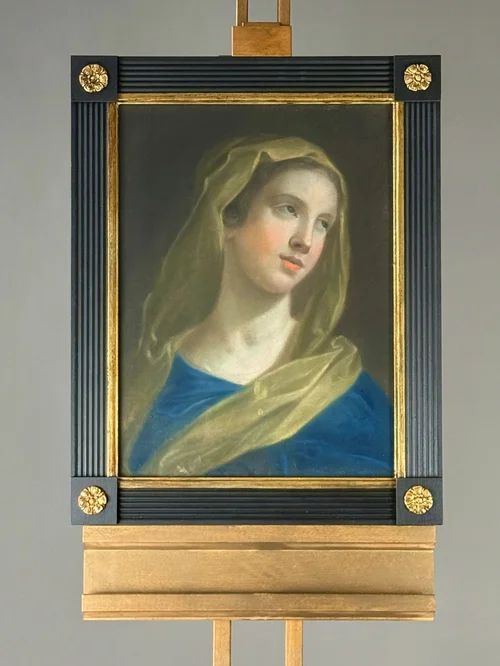
An antique italian drawing encompasses works on paper ranging from rapid portrait studies to finished architectural watercolours. When exploring an antique italian drawing, buyers encounter pieces originating from the seventeenth century through to the nineteenth century, reflecting enduring academic traditions.
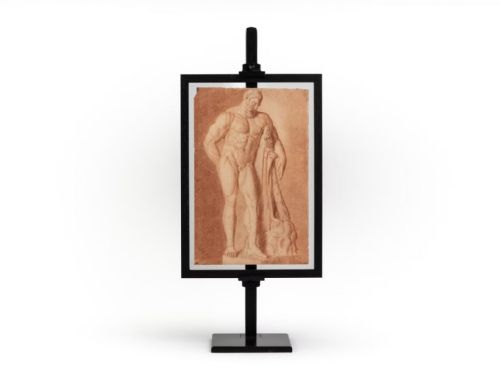
The objects span varied formats including framed charcoal portraits, red chalk sketches, gouache views, and Grand Tour watercolours. Many pieces arrive housed in period frames, such as carved Florentine wood, which complement the works.
Materials and technique
Draftsmen relied primarily on paper supports, applying media such as charcoal, red chalk, ink, pastel, watercolour, and gouache. Selected pieces incorporate gold leaf highlights or form part of larger sets of coloured architectural prints.
Artists captured anatomical studies, mythological figures like the Hercules Farnese, and topographical scenes from Rome, Pompeii, and Venice. Working methods combine meticulous ink pen work with fluid washes and soft pastel blending.
Materials recorded across the listings include paper, glass, wood, charcoal, watercolour, ink, pastel, and gold leaf.
Distinctions in quality
The strength of a drawing rests in the confidence of the line and the anatomical or perspective accuracy shown by the hand. Masterworks demonstrate a sophisticated command of shadow and light that brings portraits and ruins to life.
Conservation state and the presence of original framing elements also influence the standing of a piece within the range. Works retaining clear recto and verso studies or documented attributions hold a distinct character.
Benedetto Luti·Pio Panfili·Charles H Poingdestre
The Antique Italian Drawing Glossary
- Recto and verso
- The front and back of a sheet of paper. Drawings occasionally feature sketches on both sides.
- Grand tour
- Travel undertaken by European gentry through Italy to study classical art and architecture. Watercolours recorded these archaeological sites.
- Gouache
- An opaque water-based paint used to build rich colour and highlights on paper. It appears alongside pastel and ink.
- Old master
- A European artist of high skill working before the nineteenth century. Pieces often derive from established Italian schools.
- Wash
- A thin, transparent layer of diluted ink or watercolour applied with a brush. It creates smooth tonal gradients in landscapes.
Antique Italian Drawing: Frequently Asked Questions
How should I hang works on paper?
Keep drawings away from direct sunlight to prevent the fading of delicate watercolours, chalks, and inks.
Utilise UV-filtering glass and stable wall spaces where humidity remains low to protect the paper over time.
What is a Grand Tour watercolour?
These watercolours were created as visual records for travellers exploring classical sites like Pompeii and Rome during the eighteenth and nineteenth centuries.
Artists captured famous monuments and landscapes to serve as sophisticated souvenirs of continental journeys.
How do I identify a chalk drawing?
Chalk drawings display textured particulate marks on paper, often utilising red or black pigment to model form and shadow.
They frequently serve as preparatory studies for larger paintings or academic portfolios.
Are period frames important?
Period frames, such as carved wooden Florentine designs, provide historical context and enhance the visual presence of the artwork.
They complement the age of the paper and offer a harmonious housing for display.