


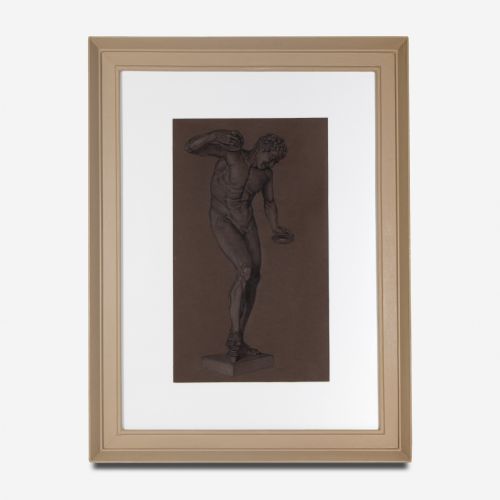


Charcoal Figure Study
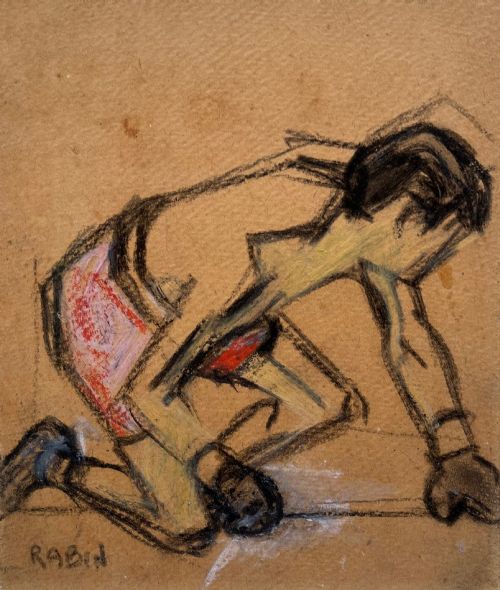
A charcoal figure study captures the human form with immediate, expressive marks on paper, ranging from nineteenth-century academic life drawings to modernist portraits.
Charcoal Figure Study
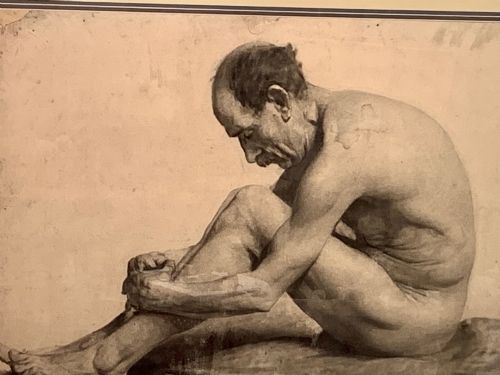
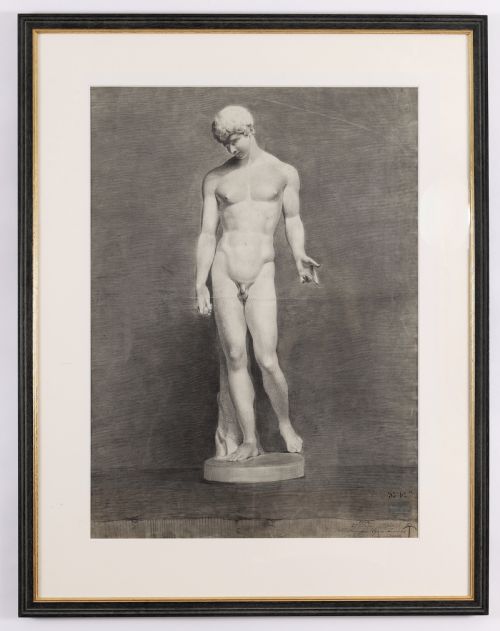
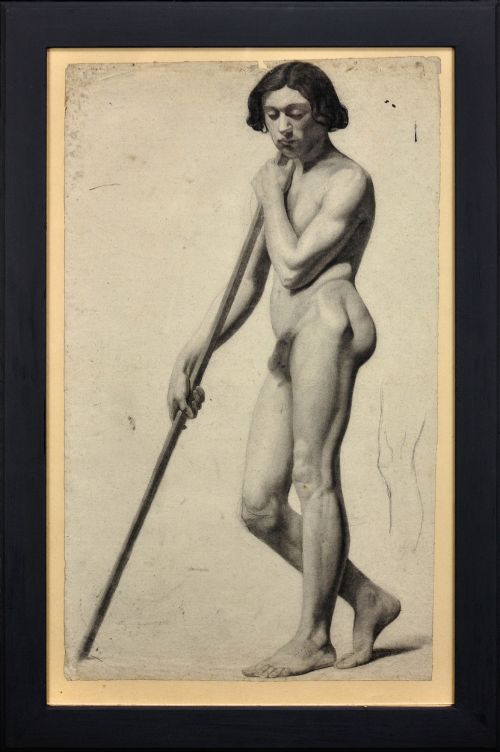
A charcoal figure study centres on the human body, depicting subjects such as female and male nudes, classical figures, and portraits. These works appear in forms like framed original drawings, life studies, and wall art.
The pieces span centuries, appearing across the seventeenth, eighteenth, nineteenth, and twentieth centuries. Buyers frequently encounter nineteenth-century academic examples alongside works from the nineteen-twenties, thirties, and fifties.
Materials and techniques
Artists execute these works primarily using charcoal, graphite, and chalk on paper, often utilising toned paper to catch highlights. Pastels and glass frequently accompany the framing of these original drawings.
Techniques range from academic realism and neoclassical studies to cubist approaches and French neoclassical methods. Draughtsmen build form through tonal shading and linear marks, recording studio sessions and life classes.
Listings include works executed in charcoal, graphite, chalk, and pastel upon paper and toned paper, spanning the seventeenth to the twentieth centuries.
Distinctions in quality
Quality rests upon the sureness of the draughtsmanship and the precision with which the human anatomy and proportions are rendered. Masterly control over shadow and light elevates a simple studio exercise into a compelling piece.
The handling of materials contributes heavily to the standing of a work, where confident, deliberate strokes distinguish accomplished hands from hesitant student attempts.
Samuel Rabin·Henry Arthur Roberts·Demetrios Galanis·Winifred Eugene Ballard·John Hoppner·Frank Dobson·Francis Dodd·Cecil CP Lawson
The Charcoal Figure Study Glossary
- Academic Realism
- A style of painting and drawing produced under the influence of European academies of art. It emphasises precise anatomical accuracy and classical subjects.
- Deux Crayon
- A drawing technique using two coloured chalks or pencils, typically black and white or red and black, on toned paper. This method allows artists to build both shadow and highlight simultaneously.
- Life Study
- A drawing or painting of a live model, executed to master the depiction of the human form. These works form the backbone of traditional art education.
- Toned Paper
- Paper that possesses a colour other than white, usually grey, tan, or blue. Artists use it to establish middle tones quickly and apply highlights with white chalk.
Charcoal Figure Study: Frequently Asked Questions
What is a charcoal figure study?
A charcoal figure study is an original artwork depicting the human body, created using charcoal on paper as either a preliminary practice or a finished drawing. These pieces record the contours, musculature, and posture of a model.
Such works include academic drawings from the nineteenth century and modernist interpretations from the twentieth century, usually presented in antique frames.
How should I display these drawings?
These works require framing behind glass to protect the fragile charcoal and chalk pigments from smudging and airborne moisture. Position them away from direct sunlight to prevent the paper from yellowing and the media from fading.
Matching the period of the frame to the era of the drawing enhances the overall presentation on the wall.
How do I date a drawing?
Dating relies on the paper type, framing materials, stylistic conventions, and any inscribed dates or signatures left by the artist. Academic life studies often follow strict stylistic periods tied to nineteenth-century art schools.
Examining the back of the frame and the mounting materials can reveal older labels or inscriptions that provide clues to the origin.