


Classical Portrait Sketch
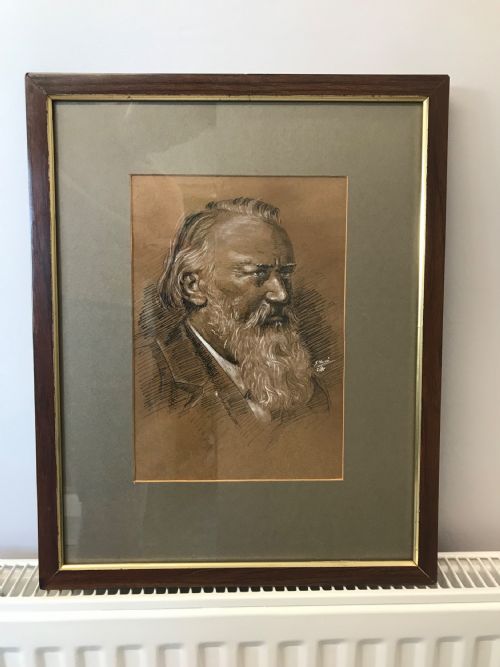
A classical portrait sketch captures a likeness through hand-drawn lines, offering intimate character studies framed in wood and glass.
Classical Portrait Sketch
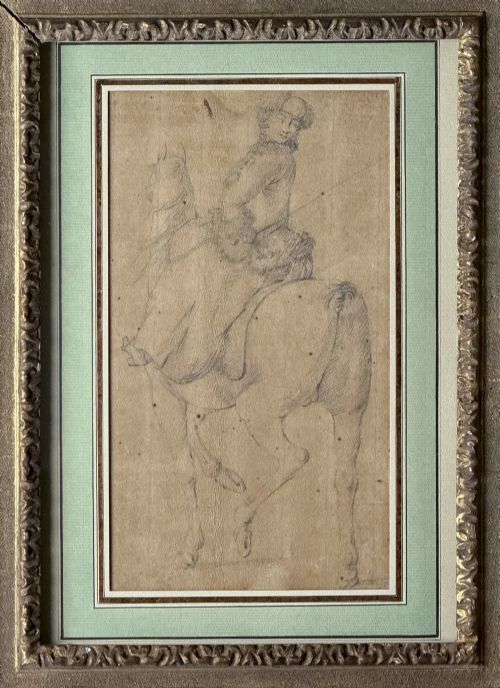
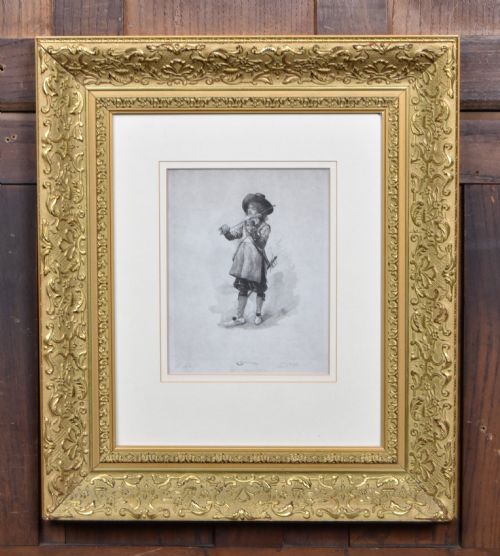
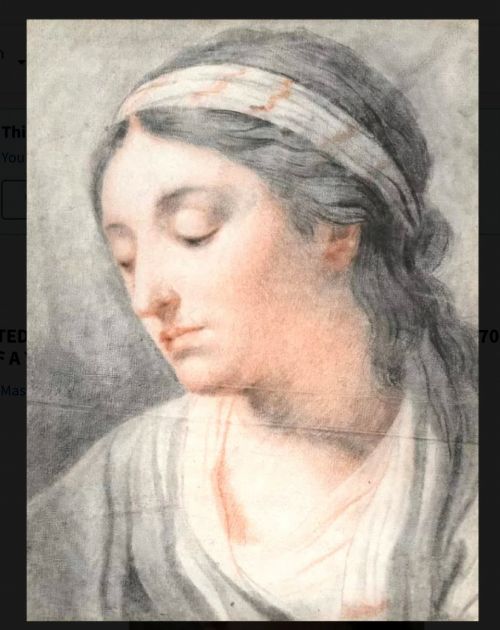
A classical portrait sketch represents the human face through detailed draughtsmanship, capturing historical figures, musicians, and unidentified sitters. These works encompass framed drawings, portrait paintings, and sketches spanning several centuries.
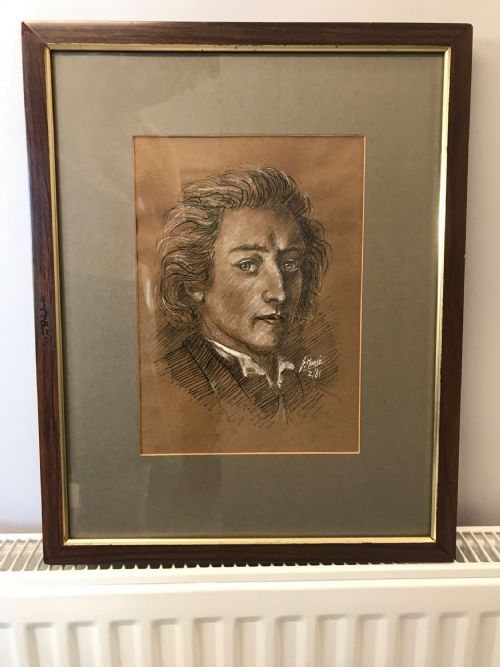
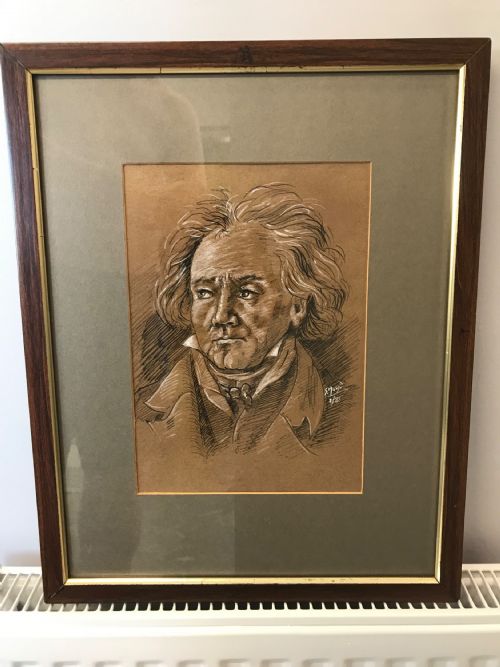
The selections on this page feature examples ranging from the seventeenth century through to later twentieth-century productions. Common subjects include composers such as Frédéric Chopin, Ludwig van Beethoven, and Johannes Brahms, alongside study heads and equestrian subjects.
Originating from various European traditions, these works showcase styles such as French Neoclassical, Baroque, Renaissance Revival, and nineteenth-century realism. Many arrive protected behind glass within period wood frames.
How they were made
Framing materials typically consist of wood, frequently complemented by gilt finishes that enhance the presentation of the works on paper. Glazing protects the delicate pigments and drawing media from environmental damage.
Materials across these listings span paper, ink, chalk, gouache, and gilt wood frames.
What varies in quality
The strength of the draughtsmanship dictates the impact of each study, separating confident anatomical rendering from hesitant execution. Precision in capturing expression and bone structure defines the success of a portrait.
The preservation of the paper support and the medium influences the visual clarity of the work over time. Original framing elements, including period wood and gilt surrounds, add historical context to the individual piece.
P. Ruiz·Frédéric Chopin·Ludwig van Beethoven·Johannes Brahms·Marie Leczinska·François-André Vincent·Van Dyck
The Classical Portrait Sketch Glossary
- Gouache
- An opaque water-based medium that allows artists to apply solid highlights over darker ink or wash layers.
- Sanguine
- A reddish-brown chalk used extensively for portrait drawings and anatomical sketches.
- Wash
- Diluted ink or watercolour applied with a brush to create tonal depth and shadow behind linework.
- Neoclassical
- A style drawing inspiration from the classical art and culture of ancient Greece and Rome.
- Baroque
- An artistic movement characterised by dramatic movement and deep chiaroscuro lighting effects.
Classical Portrait Sketch: Frequently Asked Questions
What is a classical portrait sketch?
A classical portrait sketch is a hand-drawn study of a person's likeness, utilising media such as ink, chalk, or wash on paper. These works focus on facial expression, form, and character.
Such pieces range from rapid preparatory head studies to finished portrait drawings created within European academic traditions.
How are these sketches usually framed?
Most pieces are preserved behind glass to protect the delicate paper, ink, and gouache surfaces from atmospheric dust and moisture.
The protective glazing sits within wood frames, occasionally featuring gilt details that complement the traditional aesthetic of the artwork.
What subjects appear in these drawings?
Subjects include historical personalities, classical composers like Beethoven and Brahms, and anonymous sitters identified through regional styles or dress. Equestrian studies and mythological heads also feature.
Artists frequently drew inspiration from earlier masters, producing copies and tributes after established painters.
How do I care for antique works on paper?
Keep works on paper away from direct sunlight to prevent the fading of inks, watercolours, and gouache pigments. Stable humidity levels protect the paper support from warping or foxing.
Maintain the original wood frames carefully, ensuring the glazing remains secure and sealed against dust.