



Fine Art Illustration
Fine art illustration brings together centuries of narrative drawing, painting, and printmaking to anchor a room with character.
Fine Art Illustration
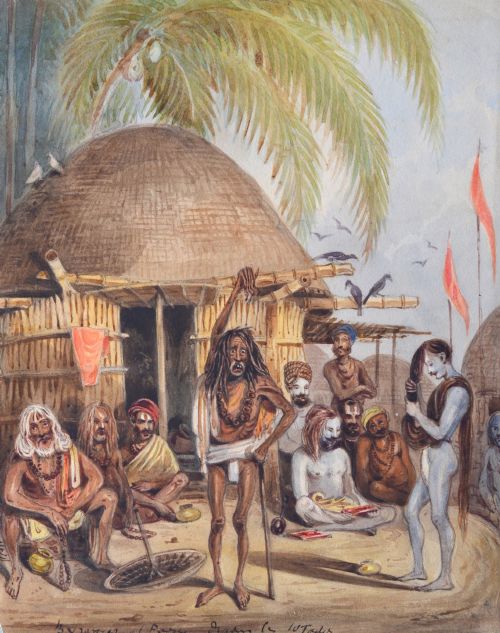
A search for fine art illustration centres on works on paper, framed drawings, and paintings spanning from the Georgian and Victorian eras through the Art Deco period. These pieces encompass landscapes, theatrical figures, literary scenes, and portraits rendered by named artists and regional schools.
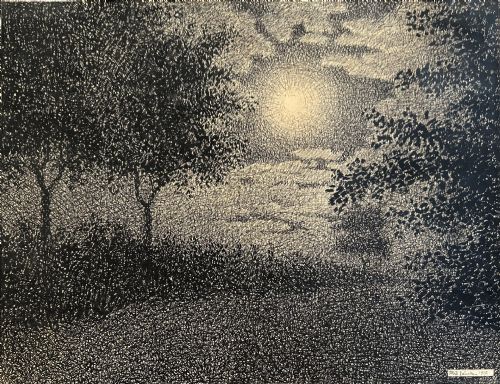
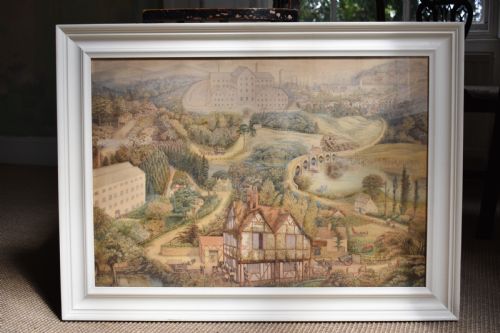
The versions most commonly met on this page include detailed watercolours, pen-and-ink sketches, and mixed-media works mounted in simple or gilt frames. Many originate from British and French studios, capturing domestic moments, rural life, and character studies.
Buyers encounter everything from rapid satirical sketches to finished oil-on-canvas portraits and sets of prints. Each object records a specific historical moment through the hand of an illustrator working in watercolour, ink, or pastel.
Materials and technique
Artists relied on watercolour pigment, ink, and pencil applied to paper or canvas surfaces to achieve fine line work and tonal depth. Works often incorporate mixed media, combining washes of colour with precise pen-and-ink hatching.
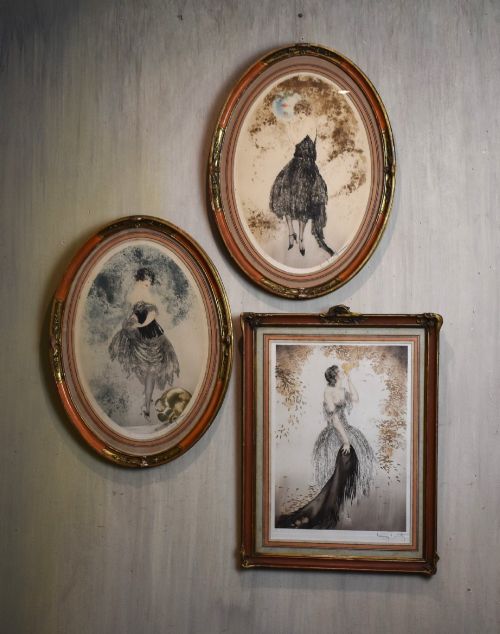
Framing materials typically involve wood and gilt surrounds that protect fragile paper supports. Prints utilise early printing techniques on paper sheets, whilst paintings employ oil on canvas or wood panels.
Fine Art Illustration Retail Price Guide 2026
Typical asking prices for fine art illustration among the pieces listed under this phrase on Sellingantiques today, from the lower quarter to the upper quarter. They describe what is for sale here now, not the wider market.
Among the portraits is a remarkably stylish cat immortalised in oil pastels.
Judging quality
Quality rests upon the sureness of the draftsmanship and the expressive strength of the composition. A confident pen line or a deftly controlled watercolour wash distinguishes a master hand from a standard studio production.
The preservation of the paper support and the clarity of the pigment determine the visual impact of works on paper. Well-balanced framing and clear attribution to a documented artist elevate the standing of a piece within its period.
Louis Icart·Lucien Gibert·Georges Goursat·Raoul Millais·C Lain·Thomas Rowlandson·Linnie Watt·John Sherrin·George Perfect Harding·Joseph Murray Ince·Cecil CP Lawson
The Fine Art Illustration Glossary
- Watercolour
- A paint consisting of colour suspended in a water-soluble binder, used on paper to create translucent washes and fine details.
- Gilt
- A thin layer of gold leaf applied to wood frames or decorative surfaces to provide a lustrous metallic finish.
- Mixed-media
- An artwork combining two or more artistic media, such as pen-and-ink with watercolour pigment on paper.
- Works on paper
- A classification encompassing drawings, watercolours, sketches, and prints executed on a paper support.
Fine Art Illustration: Frequently Asked Questions
What is fine art illustration?
Fine art illustration comprises original drawings, paintings, prints, and mixed-media works created for books, publications, or independent artistic expression. These pieces span multiple centuries and feature subjects ranging from landscapes to character portraits.
Buyers select these works to bring historical narrative and skilled draftsmanship into domestic interiors. Each piece represents the distinct aesthetic of its period, from Georgian sketches to Art Deco portraits.
How should I frame works on paper?
Works on paper require archival mounting and framing behind protective glass to prevent damage from light and moisture. Spacers should keep the paper from touching the glass directly.
Selecting wooden or gilt frames appropriate to the period of the artwork enhances its historical character. Professional framing ensures the piece remains stable and secure for long-term display.
How do I identify 19th-century styles?
Nineteenth-century styles often transition from the illustrative line work of the Georgian era through the detailed realism of the Victorian period. Signature techniques include delicate pen-and-ink cross-hatching and transparent watercolour washes.
Examining the paper type, framing materials, and artist signatures helps place a work within its correct decade. School designations such as British or French provide further context regarding regional traditions.
Where should I hang these artworks?
These artworks suit studies, sitting rooms, and hallways where lighting can be controlled to protect fragile paper surfaces from direct sun. Grouping smaller framed drawings together creates a strong focal point on a wall.
Pairing pieces of similar periods or subjects unifies a room's decor. Ensure placement avoids damp walls and extreme temperature fluctuations.