
Fine Art Figurative Canvas
Fine art figurative canvas brings together oil paintings centred on the human form, spanning portraiture, genre scenes and narrative compositions.
Fine Art Figurative Canvas
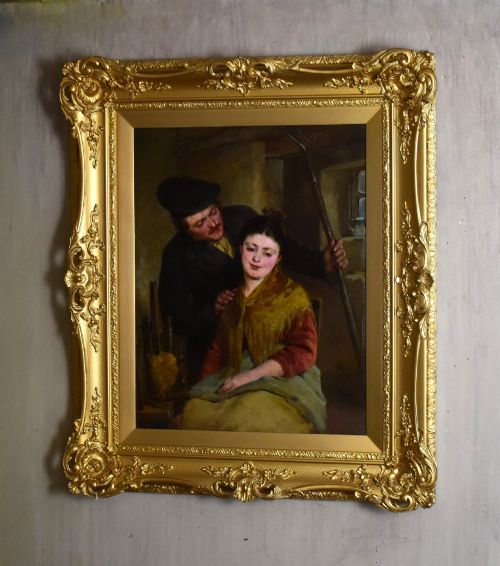
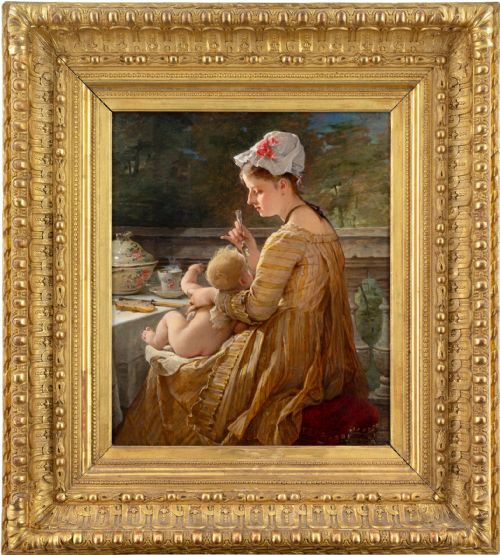
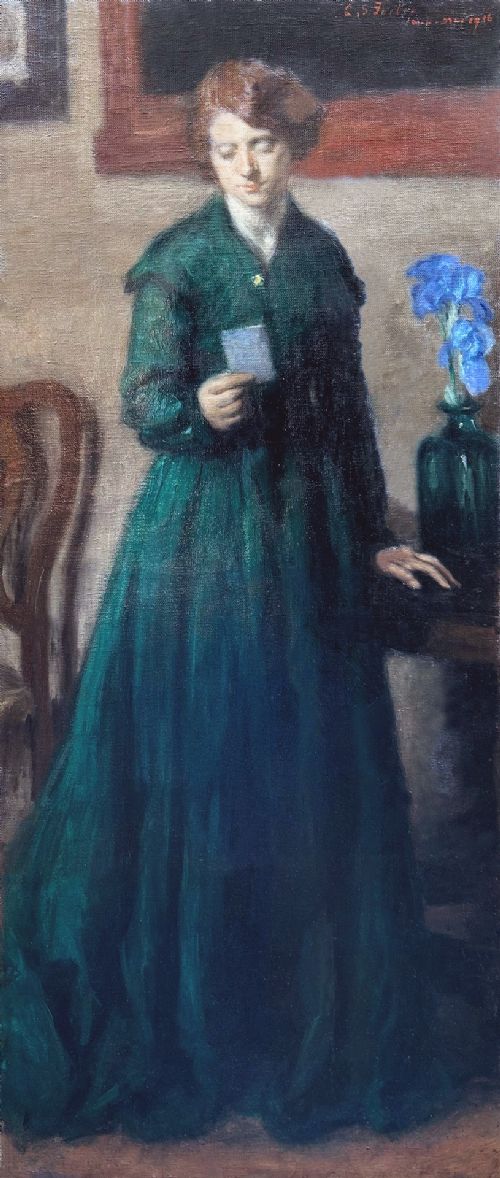
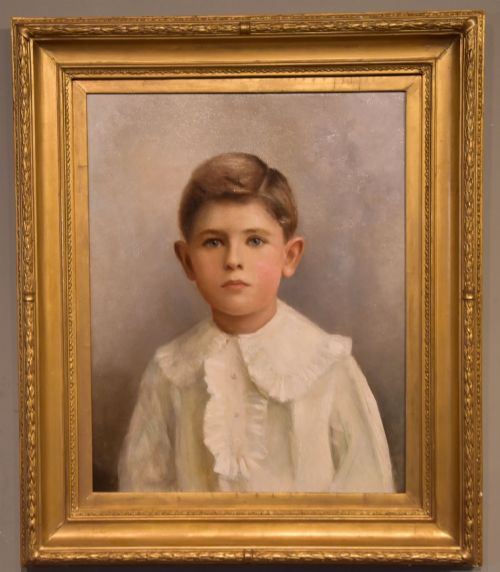
A fine art figurative canvas encompasses painted depictions of people, ranging from formal portraiture to intimate domestic interiors and historical genre scenes. When searching this phrase, buyers encounter works executed primarily in oil paint on woven fabric supports, often retained within period frames.
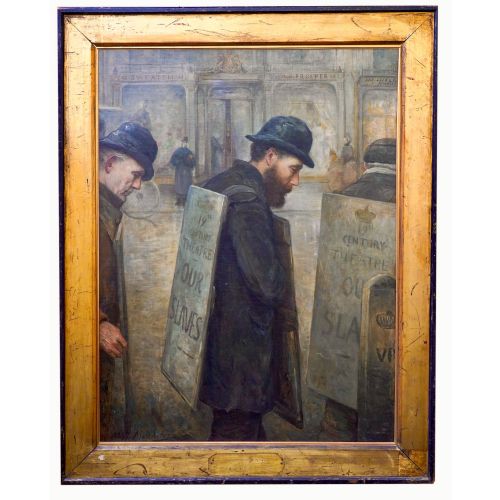
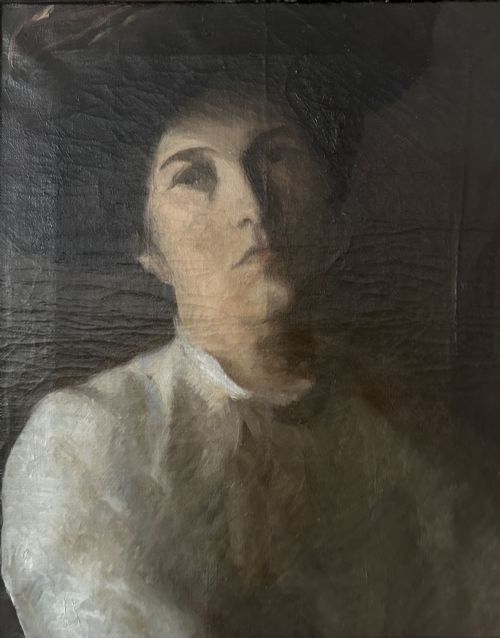
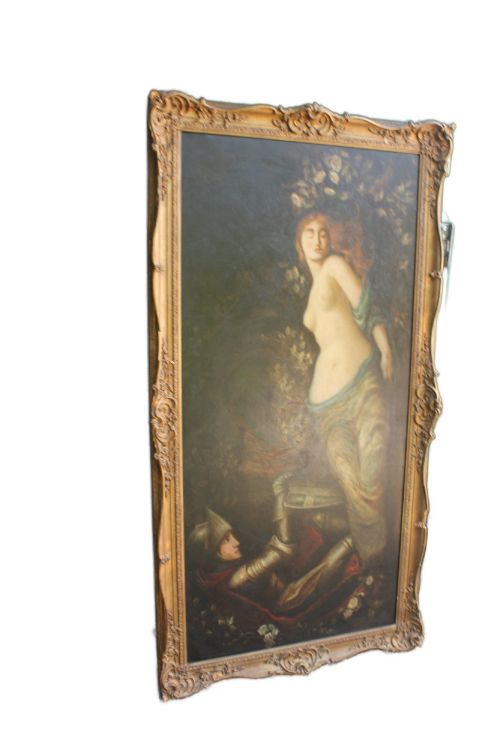
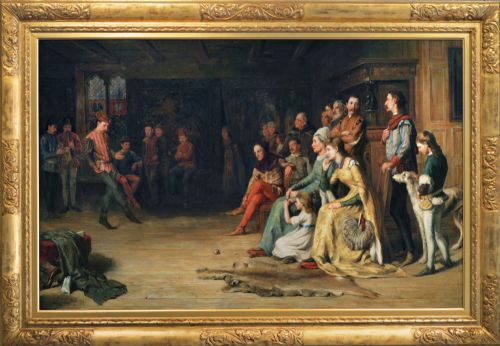
The selection here draws predominantly from nineteenth and twentieth-century European schools, including Victorian social realism, impressionism and mid-century modernism. Subjects vary widely from solitary sitters and children at play to romantic encounters and mythological narratives.
Most pieces date from the Victorian and Edwardian eras up to the mid-twentieth century, reflecting diverse academic and avant-garde approaches to the human figure. These canvases capture social history, character studies and shifting artistic movements across Britain, France and the wider continent.
Materials and construction
These works are painted in oil upon stretched canvas, utilising the slow-drying medium to build rich layers of pigment, glaze and texture. Artists applied oil paint using fine brushes for detailed portraiture or broader, expressive strokes for impressionist and modernist compositions.
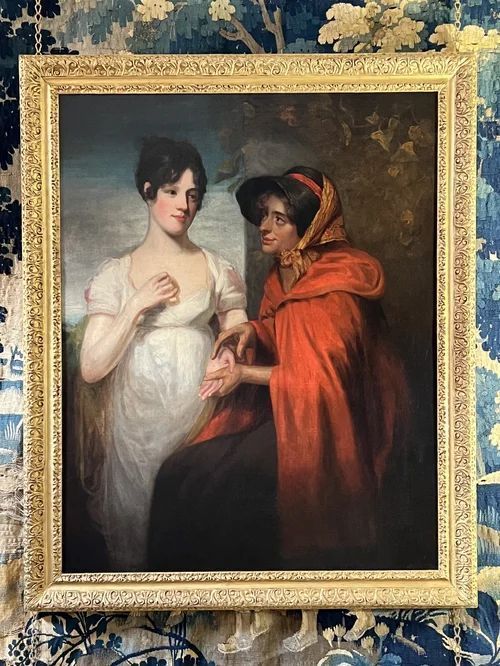
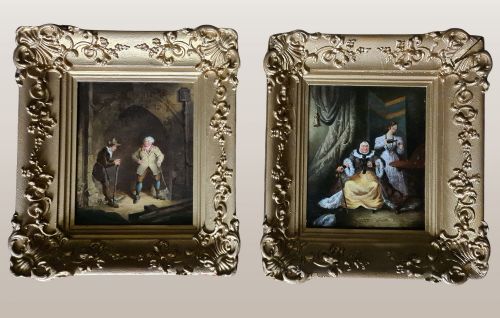
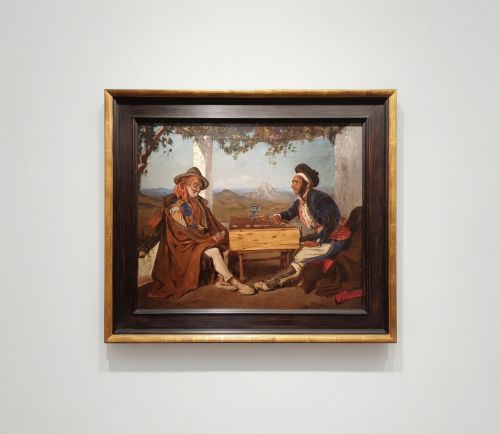
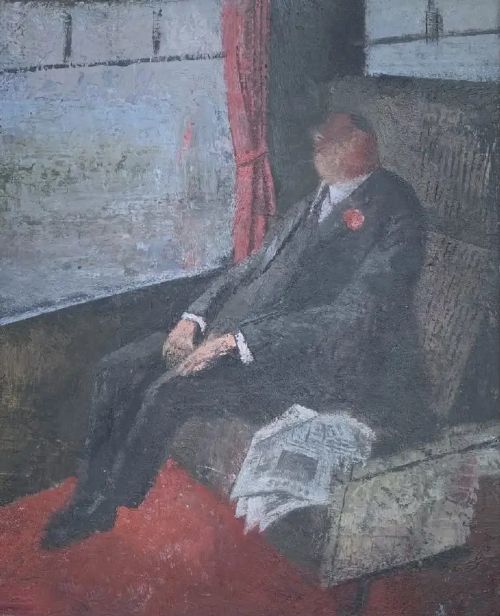
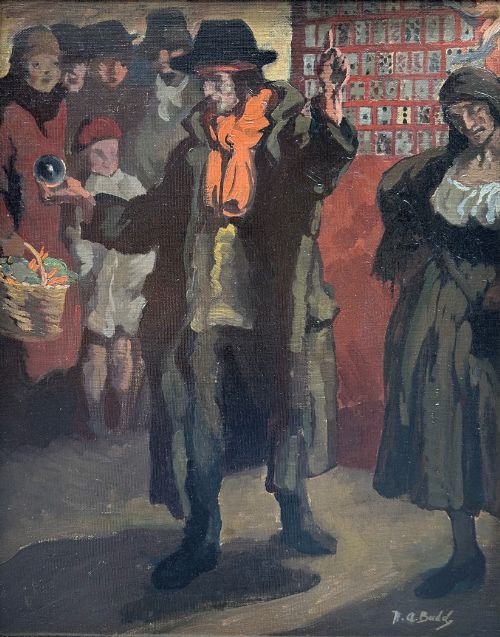
Card players, fortune tellers and sunbathing ladies share these canvases with formal sitters, proving artists preferred people who were actually doing something.
Assessing quality
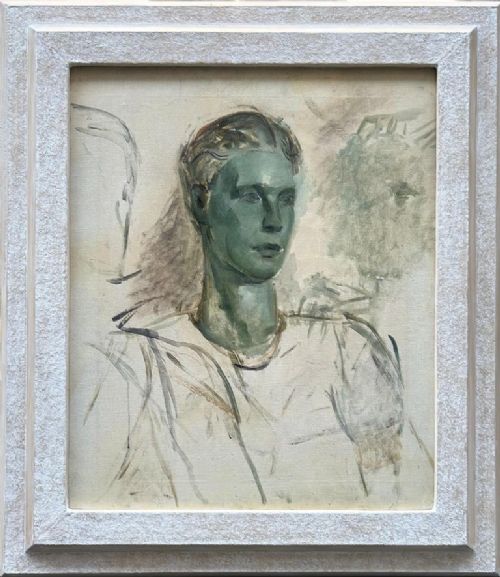
Quality in these figurative works rests on the artist's anatomical command, compositional confidence and ability to capture psychological depth or narrative atmosphere. Superior canvases display masterly handling of light and shadow, confident brushwork and harmonious colour relationships that elevate the subject beyond mere illustration.
Felix Stone Moscheles·John Opie·Howard Helmick·Adelaïde Salles-Wagner·Oliver Messel·Herbert Ashwin Budd·Louis Charles Verwee·Charles Stuart Forbes·James Hamilton·Henry Windsor Fry·William Oliver·Philippe de Rougemont·Charles James McCall·Umberto Volpato·Valdemar Magaard·Renato Moretti·Philip Naviasky·William Watt Milne·Ronald Ossory Dunlop·Thomas Kent Pelham·Harry Brooker·Johann Hamza·Byam Shaw·Alexander Rosell·Charles Zacharie Landelle
The Fine Art Figurative Canvas Glossary
- Canvas
- A heavy woven fabric, typically of linen or cotton, stretched tightly across a wooden frame to serve as the foundational support for oil paintings.
- Genre painting
- The pictorial representation of scenes from everyday life, depicting ordinary people engaged in common activities, domestic interiors or social gatherings.
- Giltwood
- Wood carved and coated with a thin layer of gold leaf or gold paint, frequently used for ornate nineteenth-century picture frames.
- Gesso
- A traditional paint mixture consisting of a binder mixed with chalk, gypsum or pigment, applied to canvas or wood to create a smooth, absorbent surface for painting.
- Pre-Raphaelite
- A nineteenth-century artistic movement associated with detailed observation, bright colours and complex literary, moral or mythological subject matter.
Fine Art Figurative Canvas: Frequently Asked Questions
What subjects do these canvases show?
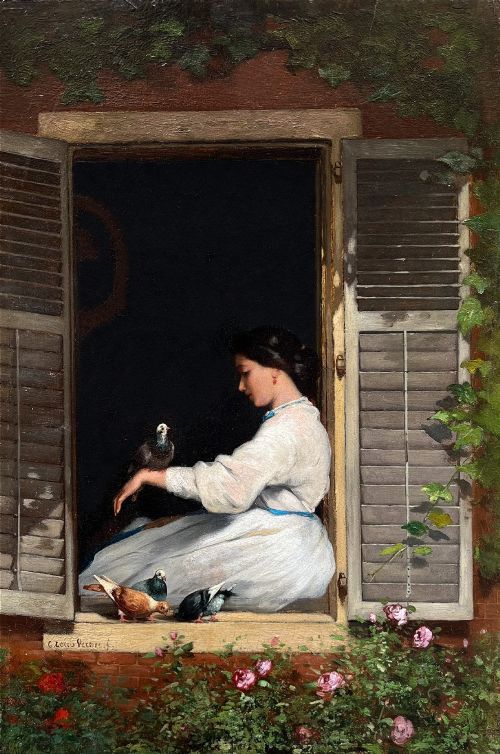
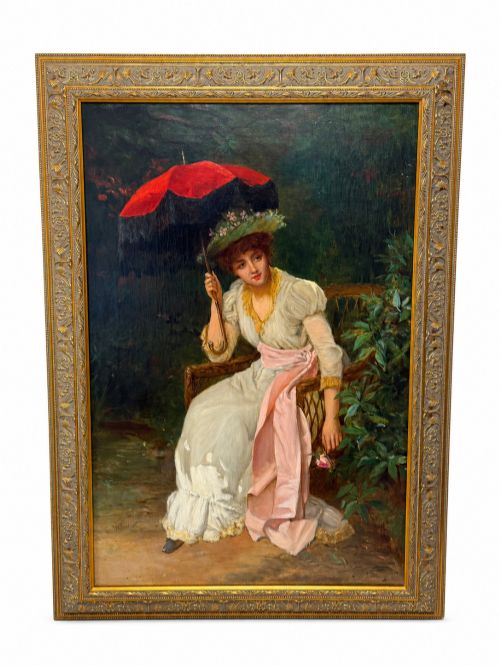
These works display human subjects in numerous contexts, ranging from formal individual portraits to complex narrative and genre scenes. Common themes include domestic life, children playing, historical episodes and romantic encounters in parkland settings.
Artists also explored psychological portraiture, nude studies and impressionist outdoor observations. Each piece reflects the social interests and artistic conventions of its specific period.
How should I hang an oil painting?
Oil paintings on canvas require stable interior environments away from direct sunlight, high humidity and dramatic temperature fluctuations. Secure hanging relies on sturdy picture hooks rated for the weight of both the canvas and its frame.
Keep pieces clear of direct heat sources such as radiators to prevent the canvas fabric from slackening and the wood or gesso frame from cracking over time.
Are all these paintings British?
While many pieces originate from British artists and schools, the selection includes significant continental European works. Painters from France, Sweden, Italy and Belgium are represented alongside domestic creators.
This variety brings distinct regional traditions in palette, brushwork and academic training to the collection, reflecting broader nineteenth and twentieth-century European art movements.
How do I identify the period of a canvas?
Dating relies on stylistic clues, costume details, framing conventions and documented signatures or biographical dates of the artist. Victorian, Edwardian and mid-century works each employ distinct palettes and brush techniques.
Examining the stretcher bars, canvas weave and framing materials on the reverse often provides additional physical evidence to narrow down the decade of creation.