


Fine Art Animal Canvas
Fine art animal canvas works bring domestic pets, farm livestock and wildlife into sharp focus through traditional oil paint on stretched cloth.
Fine Art Animal Canvas
A fine art animal canvas search reveals painted depictions of dogs, cats, horses, sheep, cattle and wild creatures rendered in oil. These works capture specific domestic animals, livestock herds and scenes from nature.
The pieces on this page span the eighteenth, nineteenth and twentieth centuries, reflecting changing tastes in wildlife and pet portraiture. Most items originate from the nineteenth century, encompassing Victorian realism, romanticism and animalier styles.
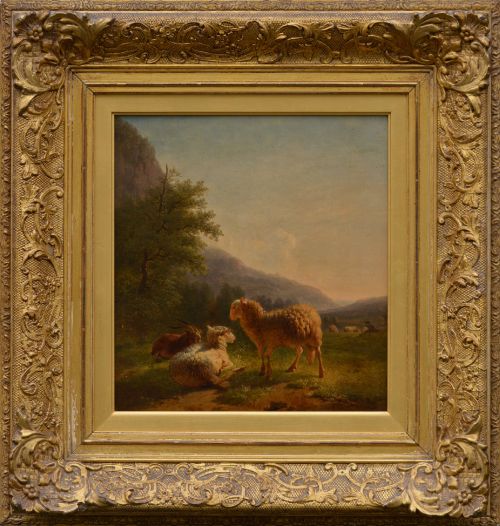
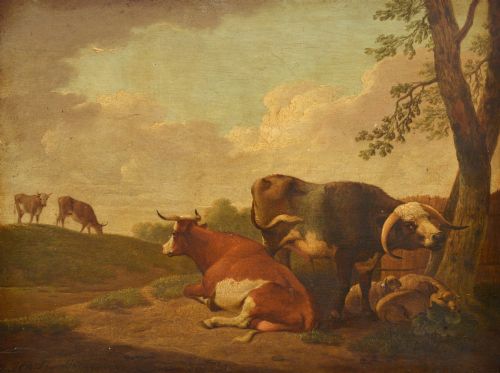
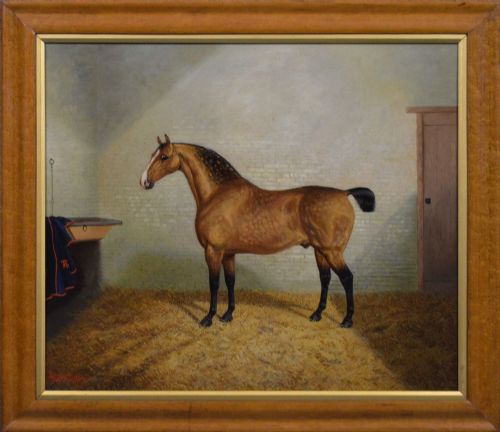
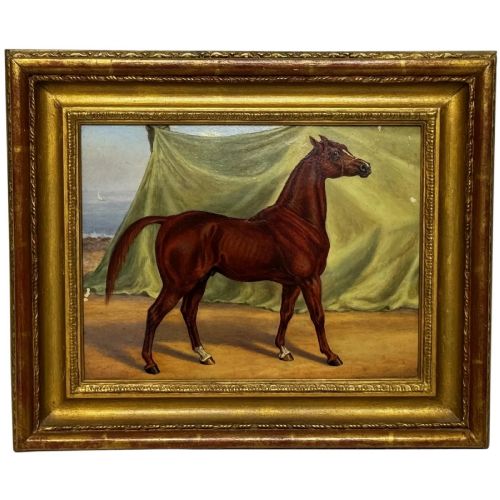
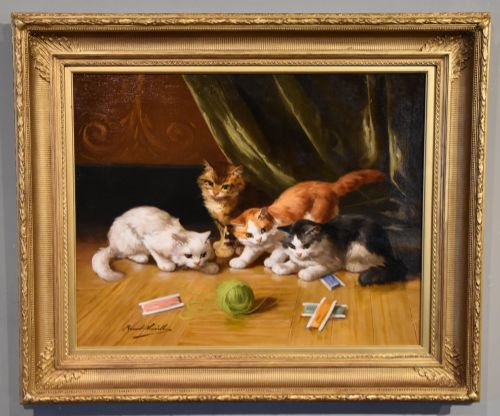
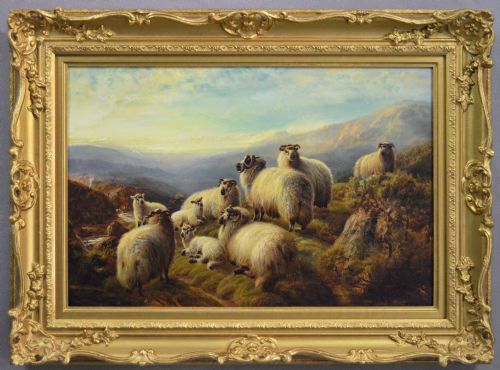
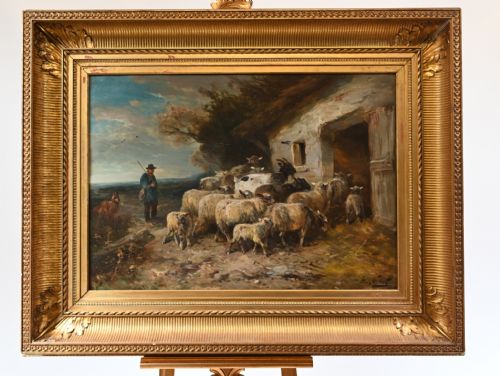
Subjects range from individual dog portraits and kitten groups to farmyard scenes with horses, pigs, poultry and cattle. Artists also recorded broader landscapes populated by resting sheep and grazing cattle.
How they were made
Makers applied oil paint directly onto canvas stretched over wooden supports, building up texture and depth through successive layers. This combination of oil and canvas allowed artists to achieve fine detail in animal coats, feathers and surrounding landscapes.
Many finished works received custom wooden frames, sometimes finished with gilt or giltwood to accentuate the composition. The physical construction relies on durable woven fabric and sturdy timber stretchers designed to preserve the painted surface.
Listings feature works from the eighteenth, nineteenth and twentieth centuries, executed in oil paint on canvas with wooden and giltwood frames.
What varies in quality
Quality rests in the anatomical accuracy of the subject, the handling of light across animal fur or feathers, and the depth of the background landscape. Works by accomplished painters display distinct command over texture and posture, whereas simpler compositions show less naturalistic rendering.
The integration of the animal within its environment distinguishes finer examples from routine decorative pieces. Superior canvases convey individual character and movement rather than stiff, generic representations.
Eugène Verboeckhoven·Hendrik Willem Schweickhardt·Albert Clark·Alfred Arthur Brunel de Neuville·Robert Watson·Henry Schouten·Thomas Sidney Cooper·Eugene Joseph Verboeckhoven·Valentine Thomas Garland·John Frederick Herring·James de Rijk·William McCance·Claude Cardon·Agnes Augusta Tallboys·M.E. Hankinson·John Emms·John Frederick Herring Jnr·William Sidney Cooper·Benedict Angell Hyland·William Huggins·Cuthbert Edmund Swan·Jules Le Roy
The Fine Art Animal Canvas Glossary
- Animalier
- A nineteenth century artistic movement focused on the realistic depiction of animals, particularly dogs, horses and livestock. Practitioners often worked in both painting and sculpture.
- Oil on Canvas
- A traditional painting technique utilising pigments suspended in drying oils applied to a woven fabric support. This method permits rich colour blending and gradual drying times.
- Giltwood
- Timber treated with gold leaf or a gold coloured metallic finish, commonly used for ornate picture frames. It adds reflective brightness around the painted canvas.
- Victorian Realism
- An artistic approach popular during the nineteenth century emphasising accurate, unidealised observation of everyday life and nature. Animal paintings in this style record subjects with precise anatomical detail.
Fine Art Animal Canvas: Frequently Asked Questions
What subjects appear on these canvases?
Paintings show horses, cattle, sheep, dogs, cats, monkeys, leopards and farmyard birds. Artists placed these creatures in domestic interiors, country landscapes and coastal settings.
Individual portraits of valued dogs and horses sit alongside busy pastoral scenes with mixed livestock.
Which periods do these paintings represent?
The works span from the eighteenth century through the Victorian era into the mid twentieth century. Most pieces date from the nineteenth century, including specific years such as 1870, 1880, 1890, 1900 and 1910.
Styles shift from eighteenth century Dutch traditions to nineteenth century romanticism, realism and animalier compositions.
How should I frame an oil canvas?
Traditional wooden frames, including giltwood designs, complement these historical oil paintings. The frame protects the edges of the canvas and provides a visual boundary against the wall.
Ensure the frame allows the canvas to breathe and avoids compressing the wooden stretcher.
How do I care for antique oil paintings?
Keep canvases away from direct sunlight, high humidity and sudden temperature fluctuations to prevent cracking in the paint layer. Dust the surface gently with a soft, dry brush without applying pressure.
Avoid using water or liquid cleaners on the oil paint or the surrounding frame.