
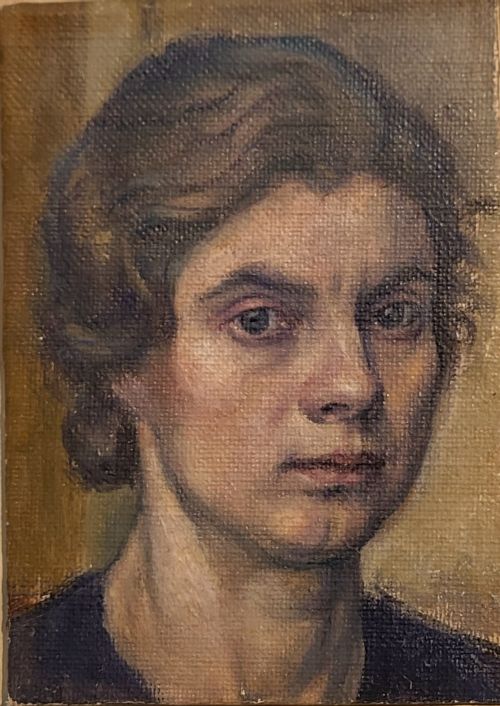
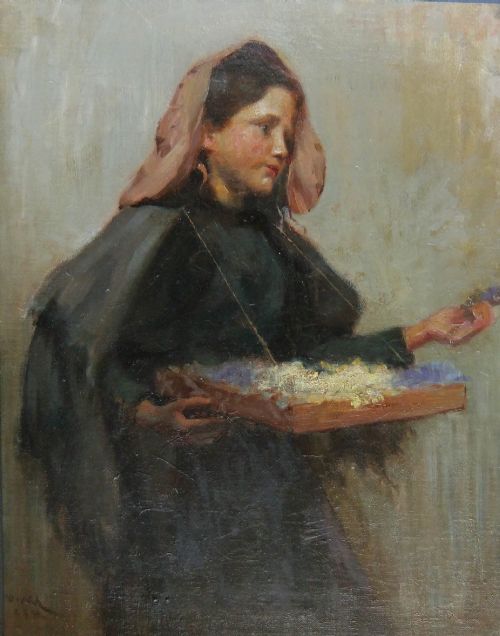
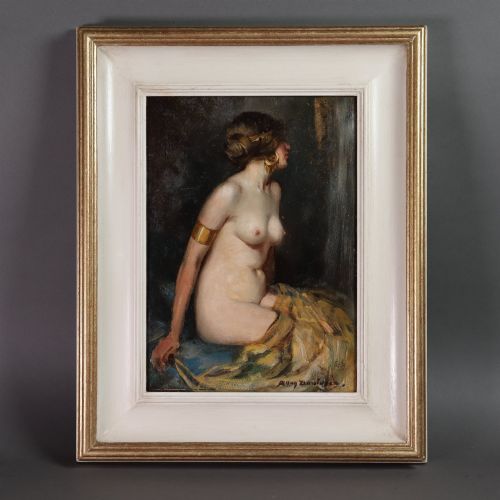


Figurative Oil Study
A figurative oil study captures human form and character through painterly experimentation, offering a direct window into the maker's hand and vision.
Figurative Oil Study
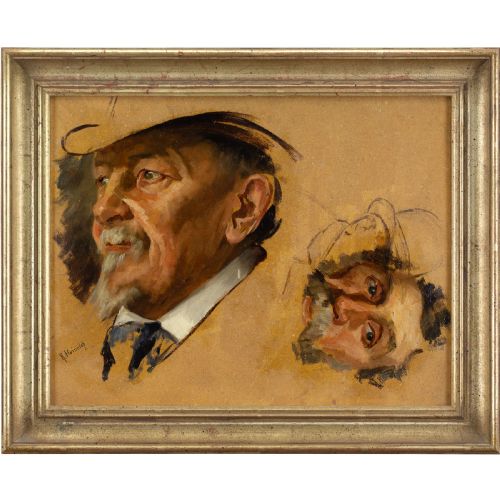
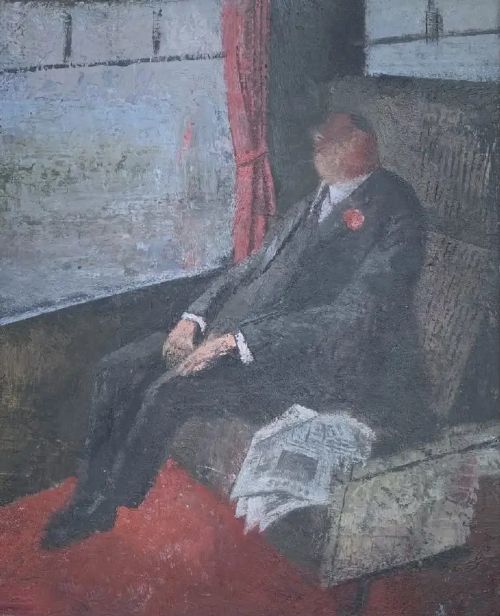
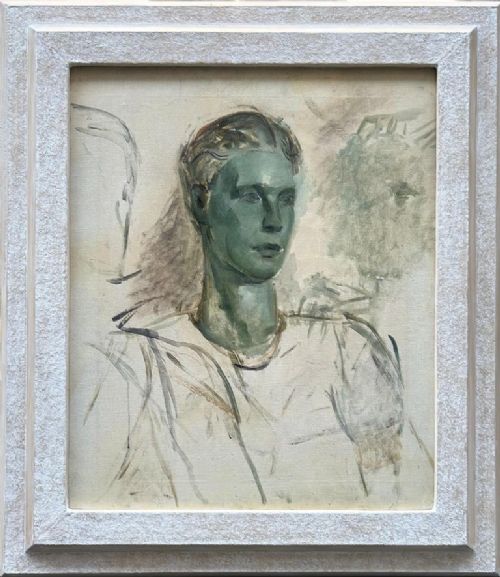
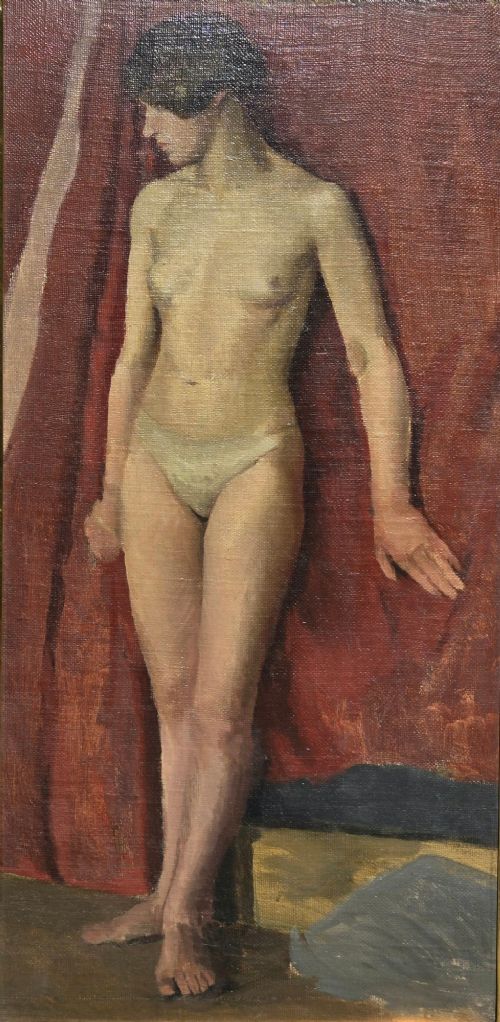
A figurative oil study represents human subjects, ranging from seated and reclining nudes to individual portraits and intimate domestic scenes. These works capture the preliminary development of a composition or an artist's direct observation of a model in the studio.
The pieces span from the late nineteenth century through to the mid-twentieth century, encompassing periods such as the Edwardian era, the interwar years, and the post-war decades. British and French schools predominate, alongside works by continental European painters.
The format of a figurative oil study varies from small panels and canvas boards to larger framed works on canvas. Many examples show direct brushwork and expressive handling that reveal the immediate process of capturing a likeness or anatomical form.
How They Were Made
Artists painted primarily with oil paint applied to stretched canvas, wooden panels, board, or paper supports. The medium allowed for both thin, transparent glazes and thick, impasto brush marks.
Support materials were prepared with grounds to receive the oil pigment, while framing often involved gilt wood mouldings that complemented the period aesthetic of the finished painting.
Listings feature works spanning from the late nineteenth century through the 1960s, executed on canvas, board, panel, and paper.
What Varies in Quality
Quality rests upon the confidence of the brushwork, the accuracy of proportion within the study, and the vitality captured in the subject's pose or expression. A successful study demonstrates economy of line and purposeful colour placement rather than laboured detail.
The condition of the paint surface and the stability of the original support, whether canvas, panel or board, influence the integrity of the piece. Works retaining their original gilt wood frames often preserve a more complete historical context.
Winifred Rymer·William Watt Milne·Allan Douglas Davidson·Septimus Scott·James Clark·Peter Jackson·Hans Temple·Raymond Arthur Roadnight·Allan Gwynne-Jones·Gaston Bouy
The Figurative Oil Study Glossary
- Oil paint
- A slow-drying medium made by combining pigments with a drying oil such as linseed. This allowed artists to blend tones smoothly and build up rich textures.
- Impasto
- Paint applied thickly to a canvas or panel, standing out in relief from the surface. This technique records the physical gesture of the brush.
- Chiaroscuro
- The use of strong contrasts between light and dark to give a sense of volume to figures and subjects. It is frequently employed in portraiture and studio interiors.
- Ground
- A preparatory layer applied to a canvas or panel before painting begins. It seals the support and provides an optimal surface for oil pigments.
Figurative Oil Study: Frequently Asked Questions
What is a figurative oil study?
A figurative oil study is a painted work focusing on the human form, often created as a preparatory exercise or a direct observation from life.
These pieces prioritise expressive brushwork and tonal investigation over a highly polished or finished appearance.
How do I date a figurative oil study?
Dating relies upon stylistic markers, costume details, artist signatures, and the physical characteristics of the canvas or board support.
Mid-century works often show greater expressionism, whilst late nineteenth-century examples frequently align with academic realism or impressionism.
Where should I hang an oil study?
These works suit well-lit interior spaces away from direct sunlight and excessive moisture. Pairing the painting with an appropriate period frame enhances its visual presence on a wall.
Displaying them at eye level allows the detail of the brushwork to be appreciated clearly.
How do I care for an oil on board painting?
Care involves maintaining stable indoor humidity and temperature levels to prevent warping in wooden panels or canvas boards. Dusting should be done gently with a soft, dry brush without applying cleaning solutions.
Professional conservation is recommended if the paint surface requires cleaning or stabilisation.