






Figurative Canvas Painting
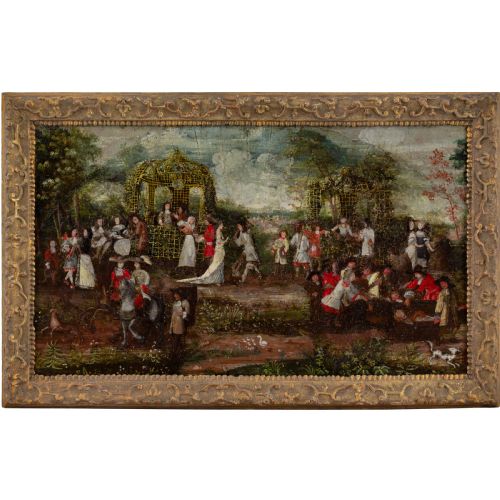
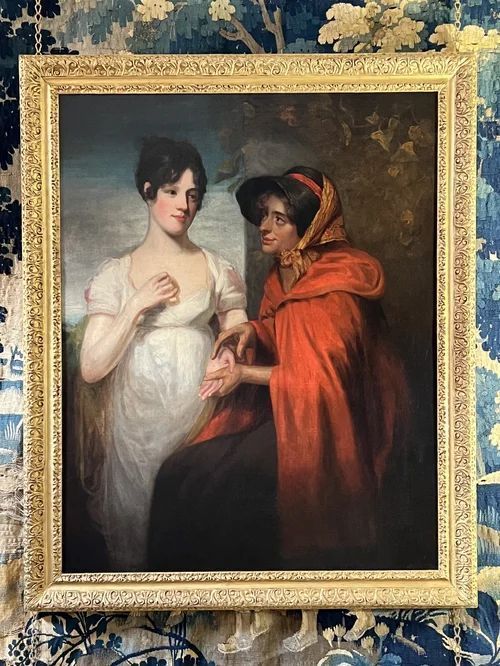
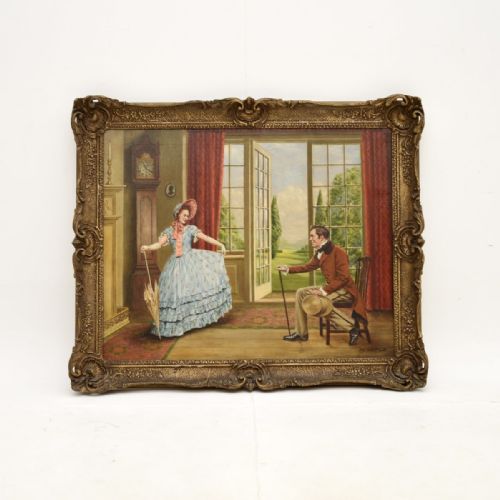
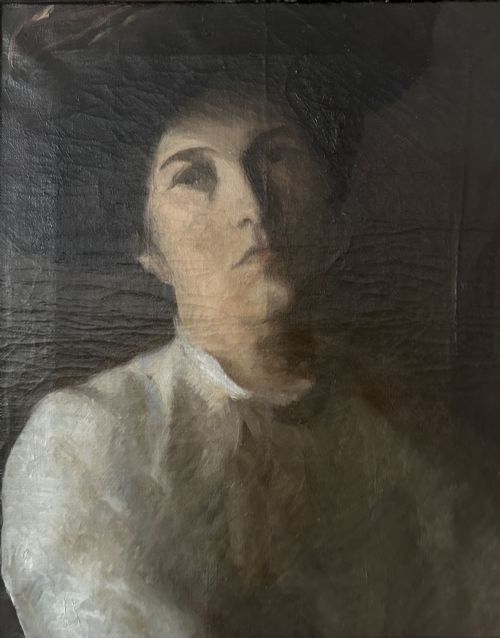
When you search for a figurative canvas painting, you are looking at works portraying people, from intimate portraits to sweeping genre scenes.
Figurative Canvas Painting
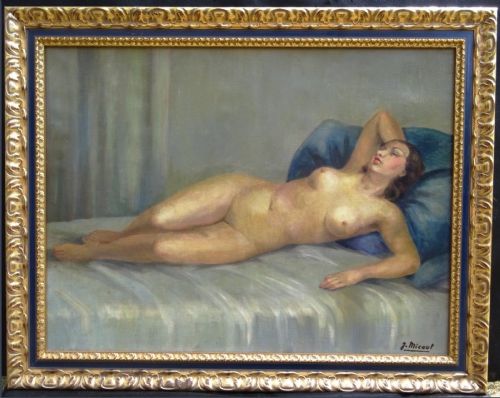
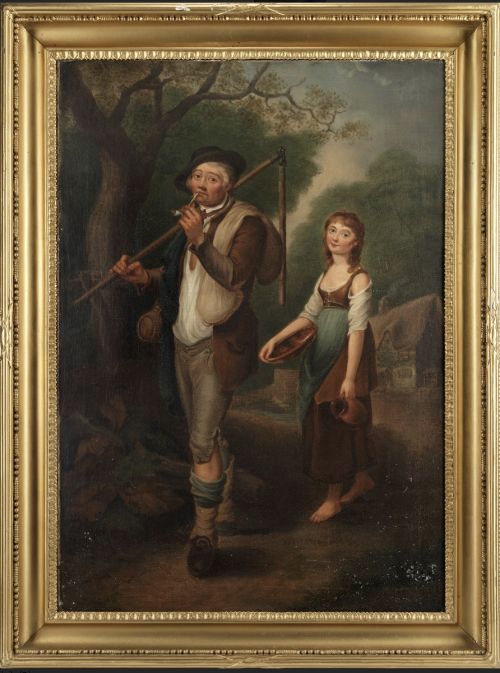
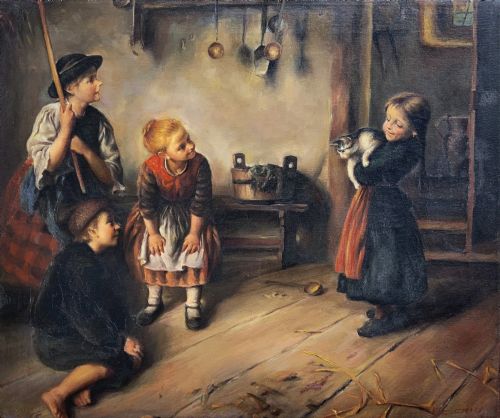
A figurative canvas painting depicts human subjects, ranging from solitary portraits of gentlemen and servants to lively social gatherings and domestic interiors. When exploring this selection, buyers frequently encounter works originating from the nineteenth century alongside pieces from later decades up to the mid-twentieth century.
The subjects span historical narratives, domestic routines, and expressive character studies executed within various regional schools. These artworks frequently capture specific moments in time, whether through formal portraiture or informal genre scenes depicting everyday life.
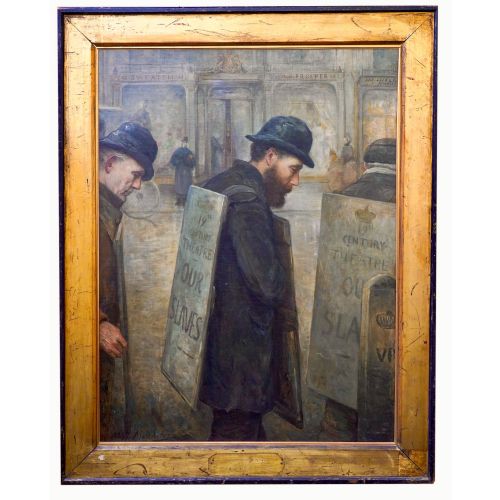
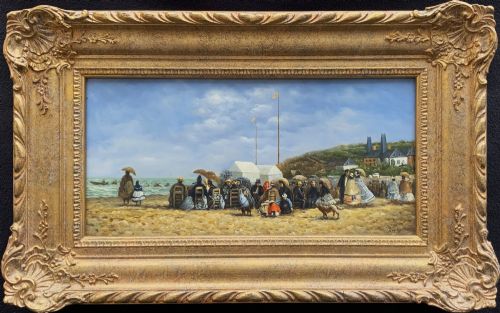
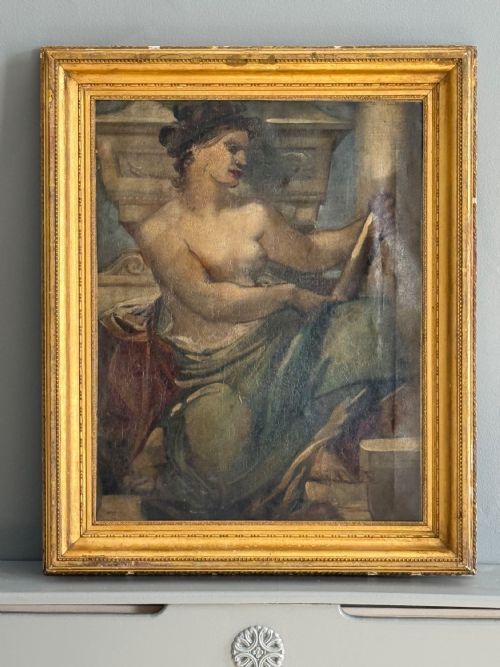
The examples gathered here demonstrate diverse stylistic approaches, moving from Victorian social realism and Pre-Raphaelite compositions to impressionist treatments and mid-century modern interpretations. Each piece relies on human presence to anchor its narrative and visual weight.
Materials and construction
The foundational medium for these works is woven canvas, providing a flexible yet resilient surface stretched across wooden supports to receive oil paint. Artists applied oil paints either directly or built up through layers to achieve depth, luminosity, and varied textures within the figures and backgrounds.
Many of these paintings remain housed within their original or period frames constructed from wood, embellished with gesso mouldings, and finished with gilt leaf or paint. These frames serve as structural protection while complementing the visual presentation of the canvas within.
The listings feature oil on canvas paintings spanning the seventeenth century through to the mid-twentieth century.
Judging quality and execution
Quality in a figurative canvas painting rests upon the artist's ability to render human anatomy, facial expression, and spatial depth convincingly. Superior examples demonstrate confident brushwork and a nuanced understanding of light falling across drapery and skin.
The relationship between the subject and its setting also distinguishes finer works, where background details support the narrative without overwhelming the central figures. Additionally, the preservation of the original paint surface and the structural integrity of the canvas and stretcher frame contribute significantly to a piece's standing.
Constantyn Netscher·Thomas Barker of Bath·Howard Helmick·Adelaïde Salles-Wagner·Herbert Ashwin Budd
The Figurative Canvas Painting Glossary
- Genre painting
- A style of art depicting scenes from ordinary life, typically involving people engaged in common activities. These works focus on narrative storytelling rather than formal portraiture.
- Pre-Raphaelite
- An artistic movement characterised by attention to detailed observation, bright coloration, and literary or romantic subject matter. It emerged in the nineteenth century as a deliberate rejection of academic conventions.
- Gesso
- A plaster-like mixture used as a smooth base on wooden frames or panels before gilding or painting. It provides a stable surface that accepts delicate moulding and ornamentation.
- Giltwood
- Timber that has been coated with a thin layer of gold leaf or gold paint. This finish frequently adorns traditional picture frames to enhance their decorative impact.
- Social realism
- An artistic style that portrays the daily lives of the working class and the poor with an unvarnished perspective. The movement highlights social conditions and inequalities through direct visual commentary.
Figurative Canvas Painting: Frequently Asked Questions
What is a figurative painting?
A figurative painting is an artwork that derives its primary subject from real objects, particularly the human form. These works depict recognizable people, distinct from purely abstract or non-representational compositions.
Within this category, you find everything from formal studio portraits to expansive narrative scenes capturing historical or domestic moments.
How do I care for an oil painting?
Oil paintings require stable indoor environments away from direct sunlight, excessive heat, and rapid humidity fluctuations. Keep the canvas clean by gently dusting the surface with a soft, dry brush without applying pressure.
Avoid using water or liquid cleaning agents on the paint surface or the gilt frame, as moisture causes irreversible damage to older materials.
Are these paintings signed by artists?
Many of the canvases feature visible signatures, monograms, or inscriptions left by the painter, while others remain attributed to specific schools or circles based on style. Signatures are commonly located near the lower corners of the composition.
Documentation or attribution often relies on historical records, exhibition labels, and stylistic comparison with confirmed works by the artist or their contemporaries.
What distinguishes Victorian art?
Victorian art encompasses a wide array of styles produced during the reign of Queen Victoria, marked by an emphasis on narrative depth, moral themes, and meticulous detail. Artists during this period explored historical events, romantic literature, and contemporary social issues.
The works frequently employ rich colour palettes and sophisticated lighting to evoke strong emotional responses from the viewer.