



Figural Pottery Vessels
Figural pottery vessels bring human and character forms directly into ceramic art, spanning centuries of global craftsmanship.
Figural Pottery Vessels
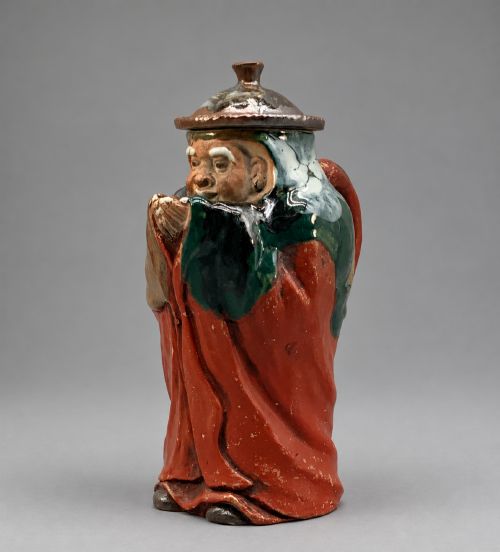
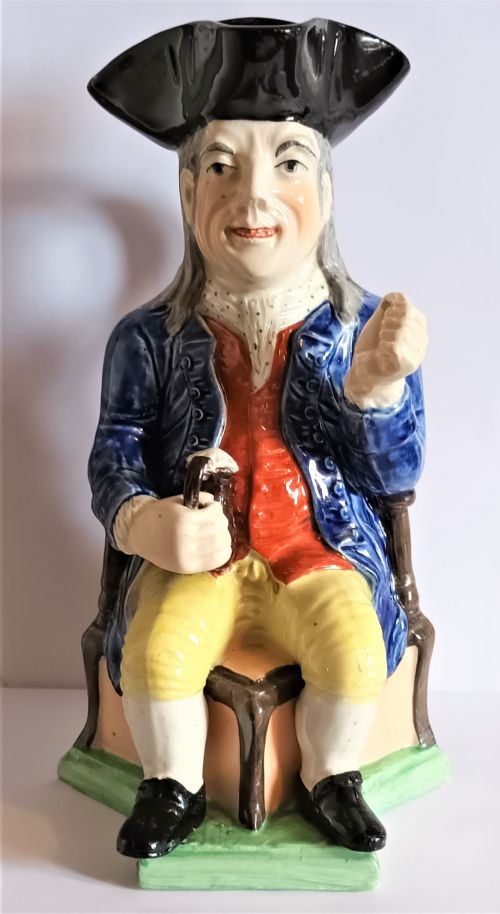
Figural pottery vessels encompass sculptural items such as Toby jugs, decorative vases, teapots, and wine cups that incorporate human or character forms. These pieces bridge the gap between functional ceramics and figurative sculpture, utilising the contours of figures to shape the container itself.
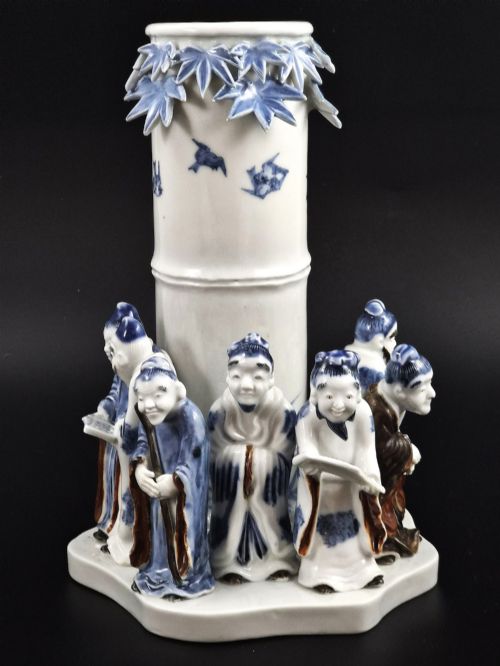
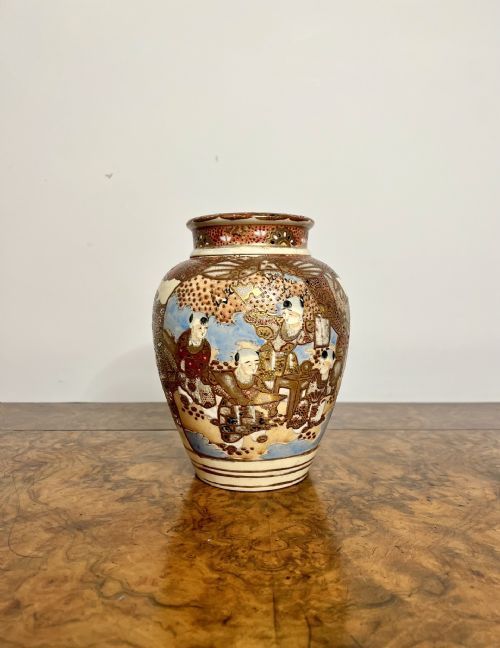
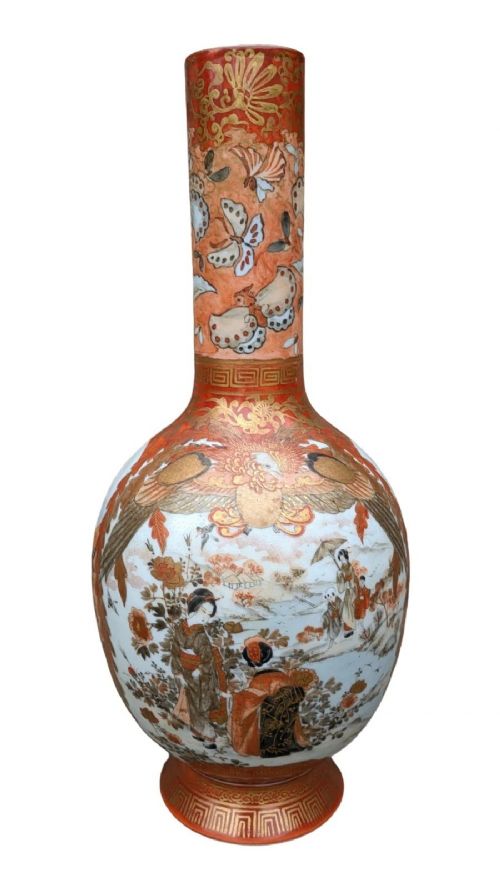
The selection ranges from Victorian Staffordshire figures and Majolica teapots to Meiji period Japanese Satsuma and Kutani vases depicting processions and sages. Early Islamic slip-painted bowls and continental maiolica also contribute to this diverse category of ceramic art.
Buyers frequently encounter nineteenth-century English and Japanese examples, alongside continental European ceramics and occasional pre-sixteenth-century pieces. Each form reflects the specific cultural and aesthetic priorities of its origin, from traditional English character jugs to detailed Japanese hand-painted scenes.
How they were made
Potters utilised earthenware, terracotta, and porcelain as the primary foundational bodies for these sculptural vessels. Techniques varied from slip painting and hand painting to detailed moulding, allowing makers to achieve both smooth contours and textured surfaces.
Makers applied rich glazes, enamel, cobalt oxide, and gold leaf to accent specific details on the figures and backgrounds. Moriage work and intricate gilding added raised surface textures, particularly on Japanese wares, while majolica pieces relied on colourful lead glazes over moulded earthenware.
Figural Pottery Vessels Retail Price Guide 2026
Typical asking prices for figural pottery vessels among the pieces listed under this phrase on Sellingantiques today, from the lower quarter to the upper quarter. They describe what is for sale here now, not the wider market.
A Chinese boy riding a melon takes functional form as an antique majolica teapot, proving the nineteenth century took teatime very seriously indeed.
What varies in quality
The application of surface enrichment, such as controlled gilding, precise enamel work, and even glaze distribution, separates standard production items from masterworks. The integration of the figural elements with the functional vessel form also dictates the overall artistic success of the piece.
Kinkozan·Joseph Holdcroft·Minton·Albert Carrier·Mikawachi
The Figural Pottery Vessels Glossary
- Earthenware
- A porous pottery body fired at relatively low temperatures and typically glazed to ensure it holds liquid.
- Majolica
- A type of earthenware coated with an opaque tin-lead glaze and decorated with metal oxide colours.
- Moriage
- A decorative technique in Japanese ceramics where slip is piped onto the surface to create raised relief designs.
- Satsuma
- A style of Japanese earthenware featuring a crackled ivory glaze decorated with polychrome enamels and gold.
- Toby Jug
- A pottery jug shaped as a full-bodied person, usually seated and holding a mug or mug of beer.
- Cobalt Oxide
- A mineral compound utilised under glaze to produce deep blue pigments on ceramics.
Figural Pottery Vessels: Frequently Asked Questions
What is a Toby jug?
A Toby jug is a traditional ceramic vessel shaped in the likeness of a seated person, typically depicted wearing eighteenth-century attire and holding a mug of ale or a pipe. These figures served practical functions as drinking vessels while doubling as humorous domestic ornaments.
Staffordshire potteries produced numerous variations of these character jugs throughout the nineteenth century, establishing them as a staple of English folk ceramics.
How do I identify Satsuma ware?
Satsuma ware is characterised by its distinctive ivory-coloured, crackled earthenware body, which serves as a canvas for intricate hand-painted enamel scenes and extensive gilding. The decoration frequently includes figural processions, immortals, and traditional Japanese motifs.
Originating from the Satsuma Province, production expanded significantly during the Meiji period to supply international markets with highly detailed decorative vases and jars.
Where were majolica vessels made?
Majolica vessels were produced across Europe, with notable centres in England and continental Europe during the nineteenth century. Factories utilised colourful, opaque lead glazes over moulded earthenware bodies to create vibrant, sculptural decorative objects.
These pieces often incorporated naturalistic themes, mythological figures, and exotic subjects like chinoiserie designs, reflecting Victorian tastes for ornate and colourful homewares.
How should I display figural vessels?
Figural pottery vessels require stable placement away from direct sunlight and high-traffic areas to protect delicate painted surfaces, enamel details, and raised gilding. Because many pieces feature intricate three-dimensional elements like handles or protruding figures, ensure they rest on level surfaces.
Grouping vessels by period or material highlights their distinct stylistic differences, whether displaying Japanese porcelain alongside English earthenware or grouping nineteenth-century majolica.