



Figural Ceramic Vessel
These figural ceramic vessel pieces combine sculptural human and animal forms with utilitarian pottery, offering a striking display of nineteenth-century craft.
Figural Ceramic Vessel
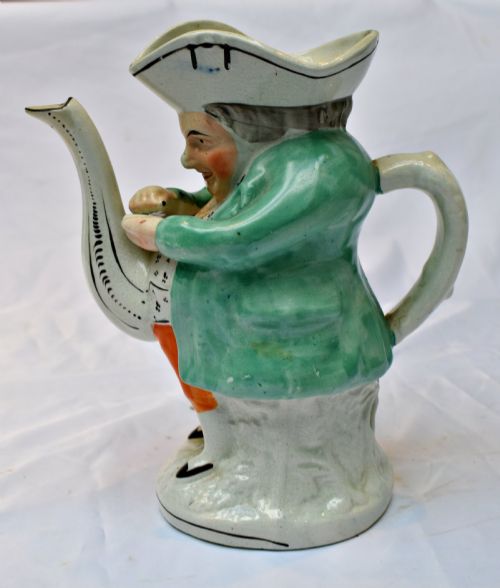
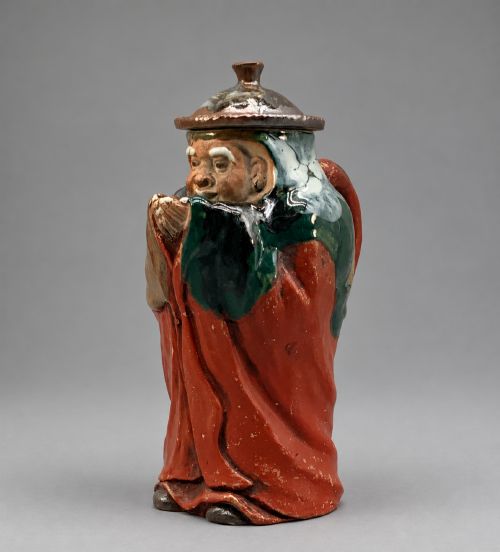
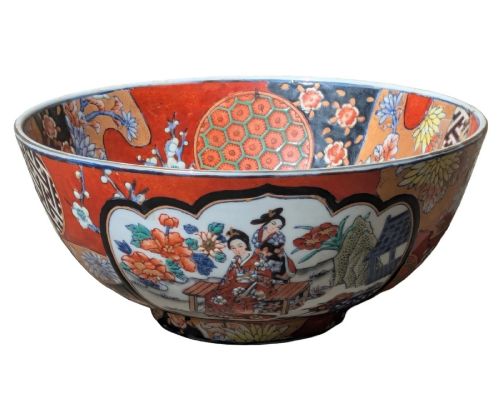
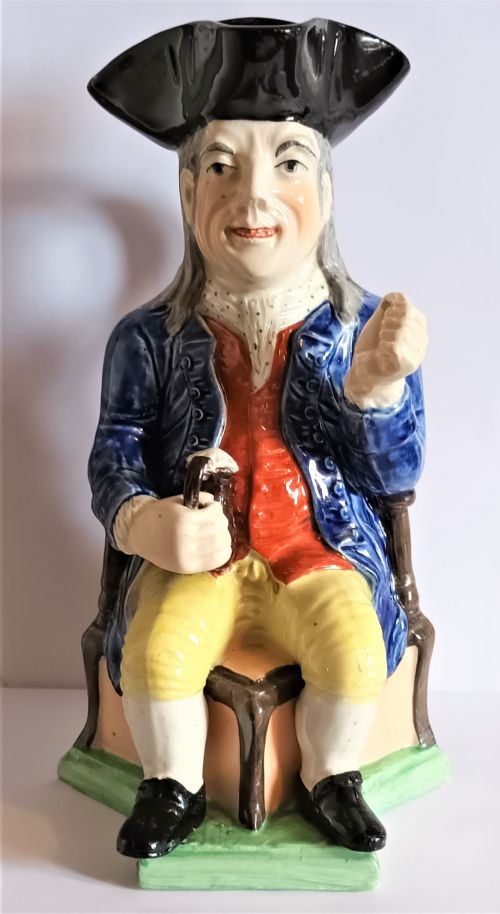
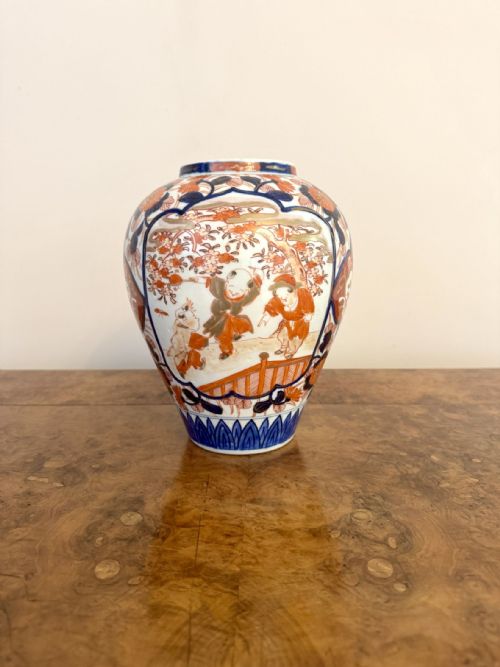
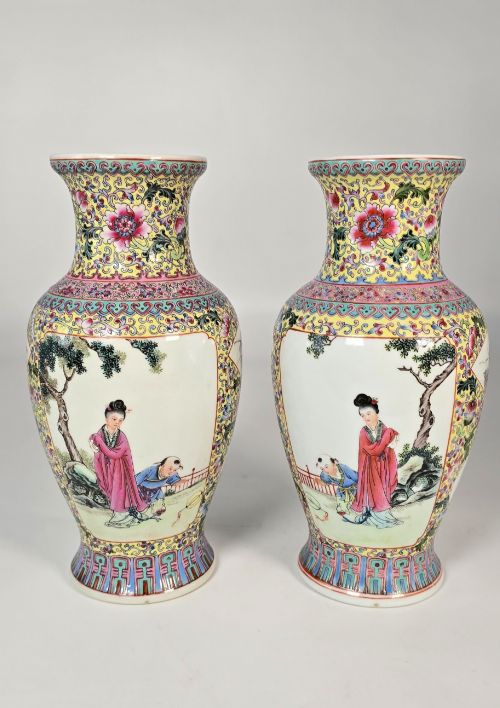
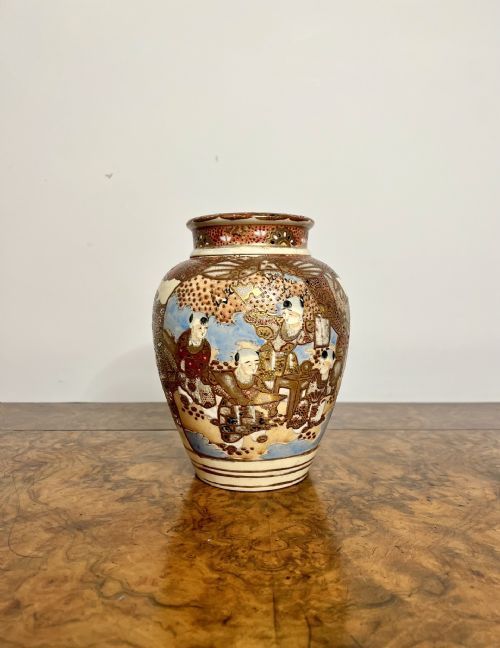
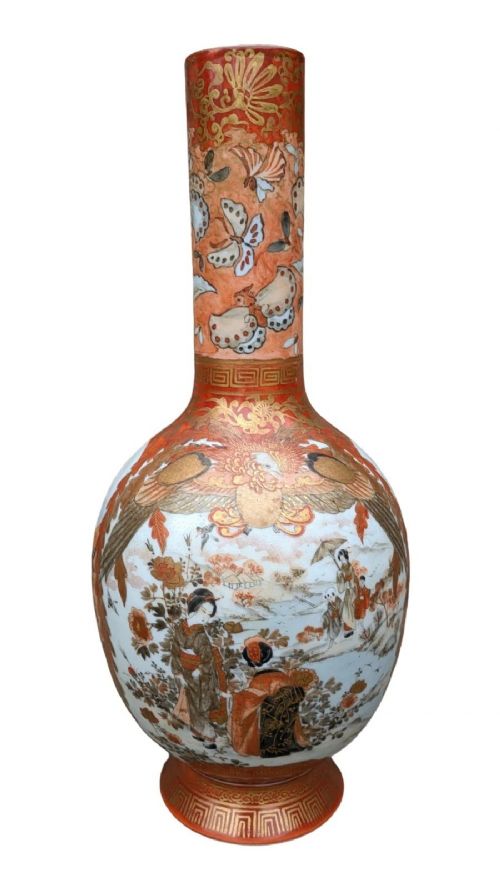
A figural ceramic vessel merges traditional pottery forms like vases, teapots, and jugs with distinct sculptural figures or human characteristics. Buyers exploring this category encounter a diverse array of items, ranging from English Toby jugs and Victorian majolica to Japanese Satsuma and Kutani wares.
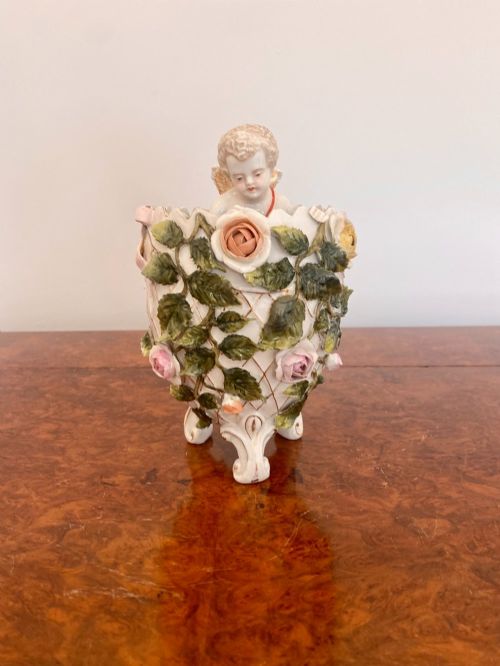
The pieces on this page span the nineteenth and early twentieth centuries, drawing on British, European, and Asian ceramic traditions. Common variations include lidded jars, incense burners shaped like treasure ships, and porcelain centrepieces featuring cherubs or mythological figures.
Makers utilised earthenware, stoneware, and porcelain as foundations for these vessels, applying glazes, enamel, and gold leaf to highlight the modelled forms. Collectors often find that the sculptural element dictates the primary function of the object, shifting the piece from domestic utility to decorative display.
Materials and production techniques
Potters built these vessels using earthenware, stoneware, and porcelain, shaping the body either by hand or in moulds before firing. Majolica and Staffordshire pieces relied heavily on moulded earthenware coated in colourful lead glazes, while Asian works frequently employed fine porcelain or heavy stoneware bodies.
Surface decoration required skilled application of cobalt oxide, enamel paints, and raised slip to create texture and depth. Artisans often added gold leaf and gilt highlights over the initial glaze, particularly on Meiji period Japanese wares and Victorian decorative pieces.
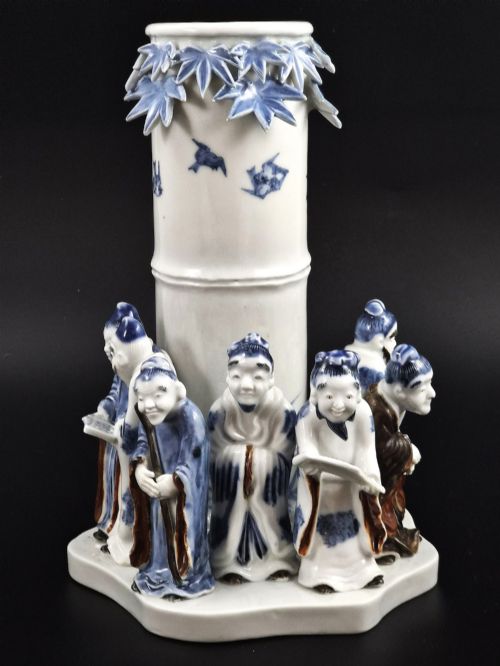
The firing process varied significantly between European majolica kilns and Asian porcelain furnaces, affecting the final vitrification of the material. Complex pieces featuring figural processions or lions required multiple firings to set the intricate enamels and gilding properly.
Figural Ceramic Vessel Retail Price Guide 2026
Typical asking prices for figural ceramic vessel among the pieces listed under this phrase on Sellingantiques today, from the lower quarter to the upper quarter. They describe what is for sale here now, not the wider market.
Sit down for tea alongside a seated Chinese boy resting on a melon.
Assessing craftsmanship and detail
Quality in a figural ceramic vessel rests primarily on the crispness of the modelling and the precision of the hand-painted details. Superior pieces exhibit fine facial expressions, well-defined fingers and drapery, and controlled application of enamel rather than heavy, indistinct brushwork.
The richness of the palette and the restraint shown in the use of gilt and enamel separate standard production from exceptional examples. Finer Japanese Satsuma and European majolica display meticulous attention to tiny background patterns and balanced compositions that complement the central figure.
The integration of the figure into the vessel shape determines the overall success of the piece. Master ceramists ensured that handles, spouts, and lids flowed naturally from the sculptural design without disrupting the anatomical proportions of the human or animal subject.
Kinkozan·Joseph Holdcroft·Royal Dux·Minton
The Figural Ceramic Vessel Glossary
- Majolica
- A type of earthenware glazed with opaque tin enamel, widely produced during the Victorian era with vibrant colours. It allowed makers to create deeply modelled figural teapots, ewers, and centrepieces.
- Satsuma
- Japanese earthenware pottery featuring a crackle-glaze finish, traditionally decorated with intricate enamel and gold leaf. These pieces frequently depict figural processions, immortals, and historical scenes.
- Toby Jug
- A pottery jug modelled in the shape of a seated, stout person, usually wearing eighteenth-century attire and holding a mug of beer. They became a staple of English Staffordshire production in the nineteenth century.
- Moriage
- A Japanese ceramic technique involving the application of slip in raised dots or lines to create textured surface decoration. It adds a tactile quality to Kutani and Satsuma vessels.
Figural Ceramic Vessel: Frequently Asked Questions
What is a figural ceramic vessel?
A figural ceramic vessel is a piece of pottery or porcelain that incorporates human, animal, or mythological figures into its structural design. These items serve both functional and decorative purposes across various global traditions.
Examples include tea pots shaped like historical figures, vases supported by cherubs, and incense burners formed as treasure ships. The sculptural element forms an integral part of the vessel rather than a mere surface addition.
How were nineteenth-century majolica vessels used?
Victorian majolica vessels functioned primarily as decorative display pieces for dining rooms, drawing rooms, and hallways. Items such as centrepieces, decorative vases, and figural jugs showcased the wealth and taste of the homeowner.
While some pieces like teapots held liquids, many served strictly as ornamental containers for flowers or fruit. Their bright lead glazes and elaborate sculptural figures made them conversation pieces during formal gatherings.
How do I identify Meiji period Satsuma ware?
Meiji period Satsuma ware is typically recognised by its fine earthenware body covered in a characteristic ivory-coloured crackle glaze. The surfaces feature detailed hand-painted scenes using enamel and abundant gold leaf.
Many of these pieces depict figural processions, sages, and deities with distinct facial expressions. Maker marks, such as those associated with Kinkozan, often appear on the underside in gold or red enamel.
Where should I display a ceramic vessel at home?
Display these vessels on sturdy surfaces away from direct sunlight and heavy foot traffic to protect their delicate glazes and painted details. Cabinets with glass doors or secure mantels provide safe environments for detailed porcelain and earthenware.
Ensure that large or top-heavy pieces, such as Kutani vases or figural centrepieces, sit on stable bases. Proper placement highlights the intricate modelling and allows viewers to appreciate the craftsmanship from multiple angles.