




Figural Bronze Art
Figural bronze art brings human and animal forms into metalwork, offering expressive sculpture, lamps and clocks that anchor a room.
Figural Bronze Art
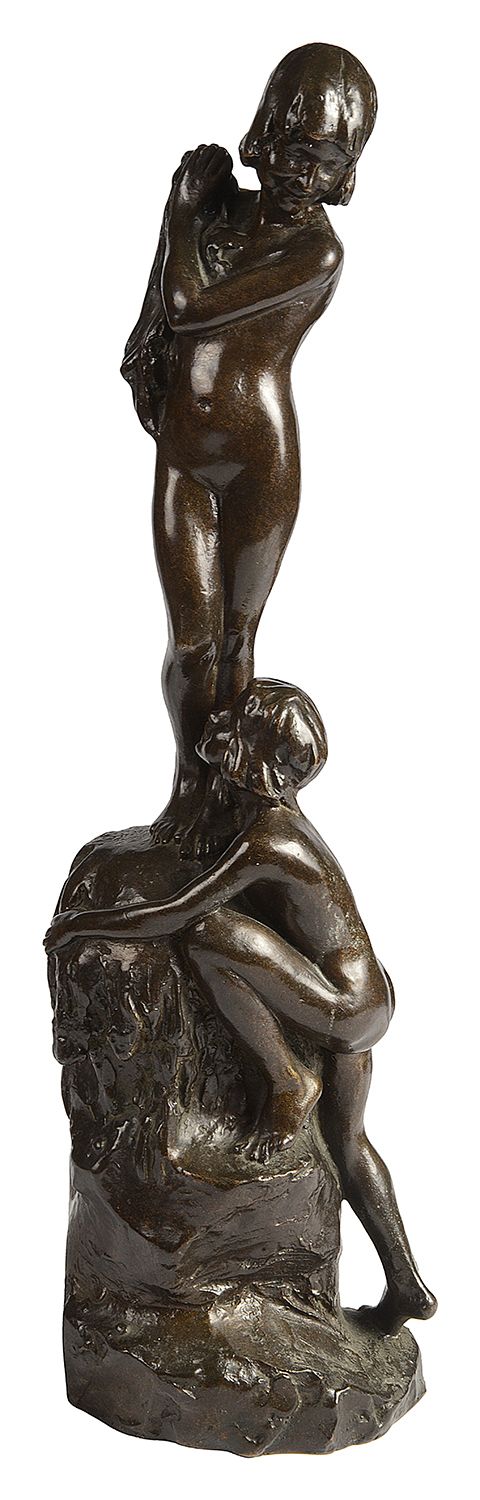
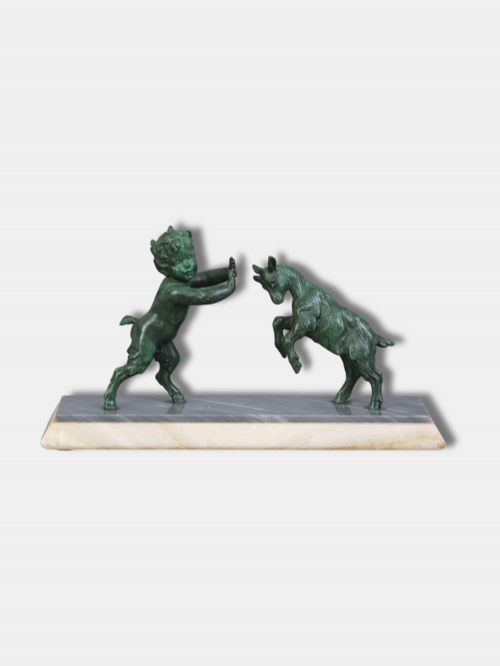
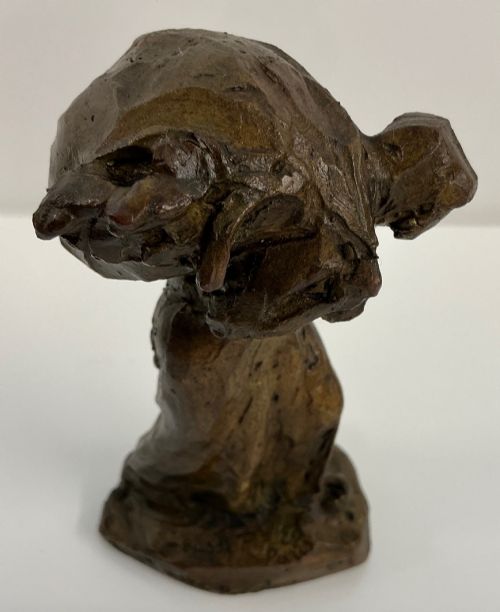
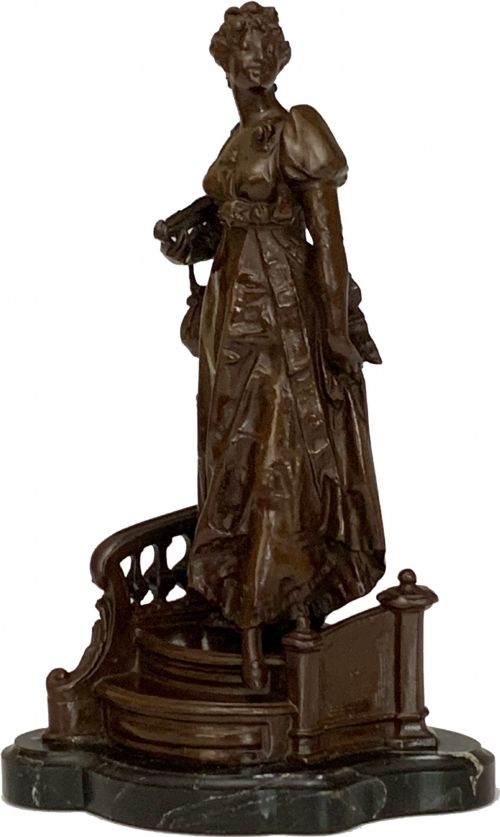
Figural bronze art encompasses sculptures, table lamps, mantel clocks and vases shaped around human figures, animals and mythological subjects. These pieces emerge predominantly from French workshops spanning the nineteenth century through the Art Deco and Art Nouveau periods of the early twentieth century.
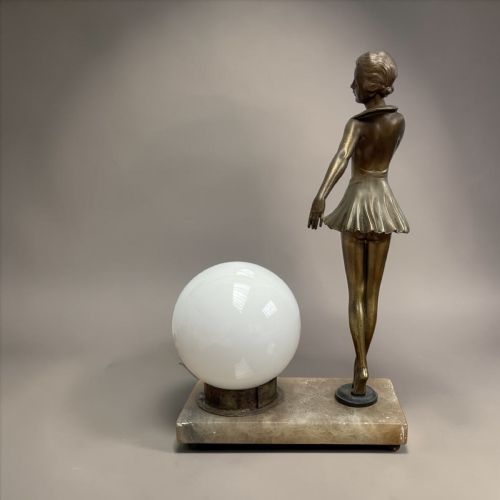
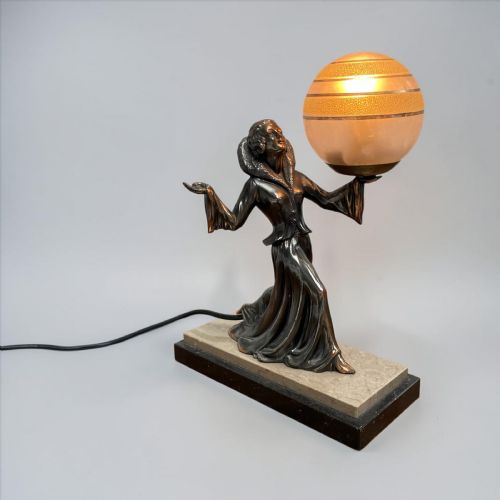
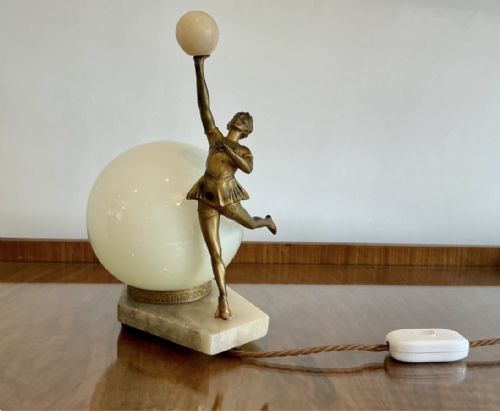
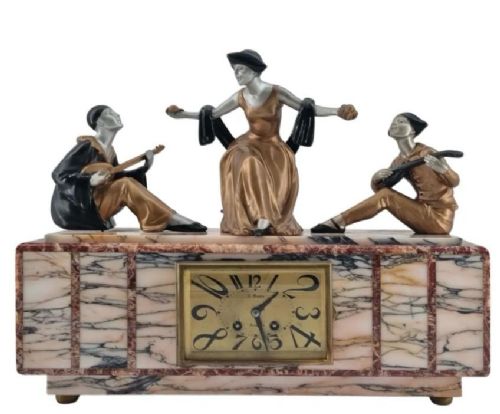
Buyers frequently encounter Art Deco lady lamps, patinated bronze dancers and romantic nineteenth-century French realisms. Formats range from monumental mantel clock sets to intimate mood lighting incorporating frosted glass and marble bases.
Makers combine sculptural casting with functional objects, turning lighting and timepieces into sculptural focal points. The aesthetic shifts from organic, whiplash floral lines in Art Nouveau pieces to streamlined geometric symmetry in later twentieth-century works.
Materials and casting
Foundries cast these figures primarily in bronze or alternative metal alloys such as spelter, often finishing the surface with dark patination, gilding or polychrome paint. Artisans mount many sculptures and lamp bases on contrasting natural stones, including veined marble and black onyx.
Makers integrate functional elements like glass shades, clock movements and candelabra arms directly into the metal armature. These components rely on precise foundry work to secure heavy stone bases and delicate patinated appendages.
Listings feature works created across the nineteenth and twentieth centuries, spanning 1860 through 1950.
Craftsmanship and presence
Quality rests in the crispness of the chased surface detail, where individual fingers, facial expressions and fabric folds remain sharp after casting. Superior examples show careful hand-finishing that removes casting seams and enhances the depth of the patination.
The choice of supporting materials elevates certain pieces, with dense marbles and genuine hand-blown frosted glass outperforming lighter composite bases and plain plastics. Substantial weight and balanced proportions distinguish finer studio castings from mass-produced commercial editions.
L & F Moreau·Emile Carlier·Jules Dalou·Georges Van Der Straeten·Antonio Merente·Justo de Gandarias·Hector Lemaire·P. Sega·Charles Korschann·Ernst Barrias·Ivan Zaiec·Alexandre Kelety·Emmanuel Villanis·Marion Willis Stanfield·Georges Van De Voorde·Antoine Bofill·Carl Kauba·Auguste Moreau
The Figural Bronze Art Glossary
- Patination
- The chemical or natural treatment applied to the metal surface to alter its colour and tone. This finish protects the alloy while adding visual depth to sculptural contours.
- Spelter
- A zinc-based alloy commonly utilised as a cost-effective alternative to bronze in nineteenth and twentieth-century figures. It accepts metallic paints and patinas readily.
- Chasing
- The manual refinement of a raw metal casting using small punches and hammers. Artisans utilise this technique to sharpen textures and eradicate surface blemishes.
- Lost-wax casting
- A method where a wax model is melted from a mould and replaced with molten metal. This process permits intricate undercut details in sculptural figures.
- Art Nouveau
- A design movement characterised by organic curves, sinuous plant forms and flowing human hair. This style dominates many turn-of-the-century lamps and vases.
Figural Bronze Art: Frequently Asked Questions
How do I clean bronze figures?
Dust surfaces gently with a soft dry cloth to prevent dirt accumulation in recessed details. Avoid using commercial metal polishes, which strip away historical patination.
Maintain a stable indoor humidity level to protect underlying stone bases and metal surfaces. Wax can be applied sparingly by specialists to preserve exposed patinas.
Are these old lamps safe to use?
Many vintage lamps retain older wiring that requires professional inspection before regular household use. Electricians can update internal cords while preserving original sockets and fixtures.
Check that lamp bases remain stable and that heavy glass shades fit securely onto their metal mounts. Modern patinated fittings can match the historical aesthetic safely.
What is spelter and how do I spot it?
Spelter is a softer zinc alloy often used for decorative figures during the Art Deco and Art Nouveau eras. It is noticeably lighter than bronze and may show grey metal beneath worn paint.
Magnification reveals a more granular fracture texture compared to the dense grain of true bronze. Many pieces combine spelter figures with genuine marble or onyx bases.
How do I date an antique sculpture?
Examine the signature, foundry marks and stylistic indicators stamped or cast directly into the metal. Art Nouveau pieces display flowing natural motifs, whereas Art Deco works favour geometric lines.
Reference artist active dates and documented exhibition periods to narrow down the decade of creation. Base materials like specific marble types also offer clues to the manufacturing era.