

Fender Curb
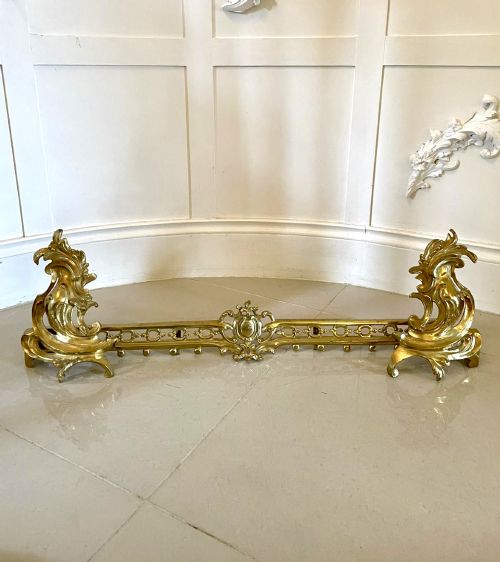
Fender curb pieces are hearth boundaries that frame a fireplace, bringing structure and protection to a room.
Fender Curb
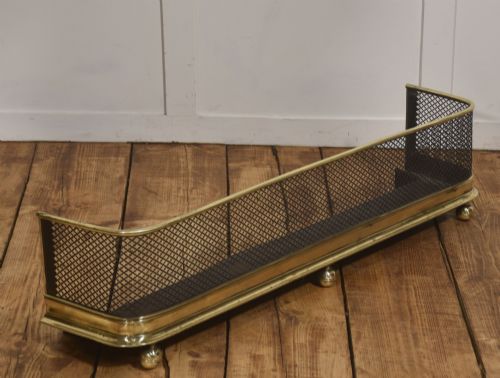
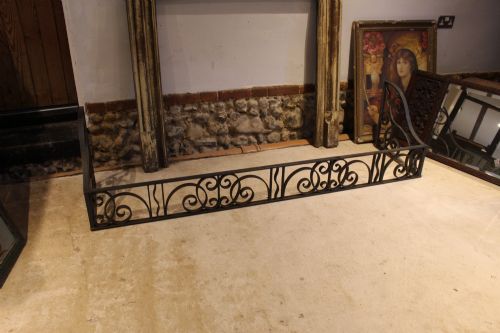
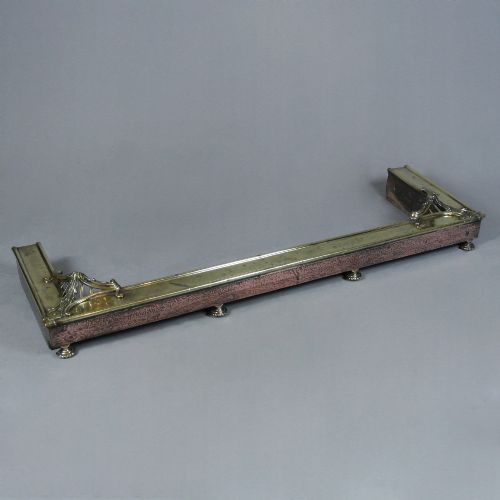
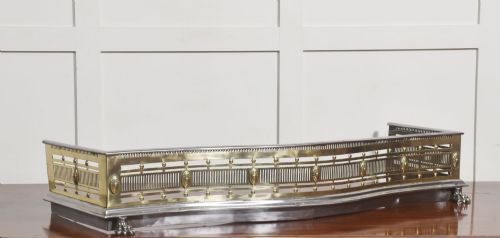
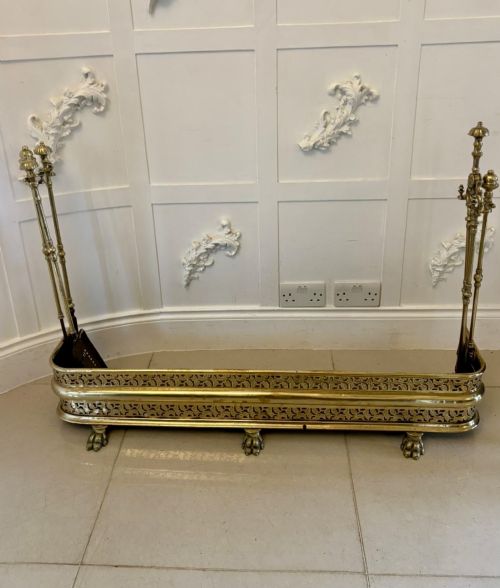
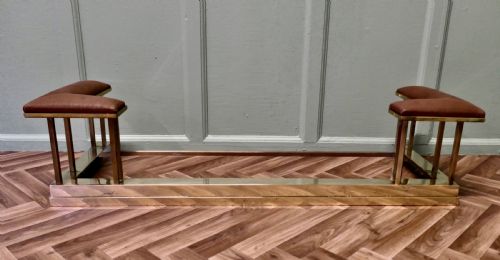
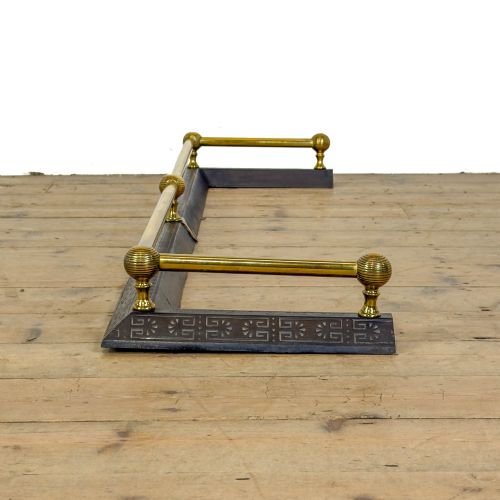
A fender curb sits on the hearth to contain ash and embers while anchoring the fireplace within the room. When searching for a fender curb, buyers encounter diverse forms such as club fenders with upholstered seats, low hearth frames, and extending designs.
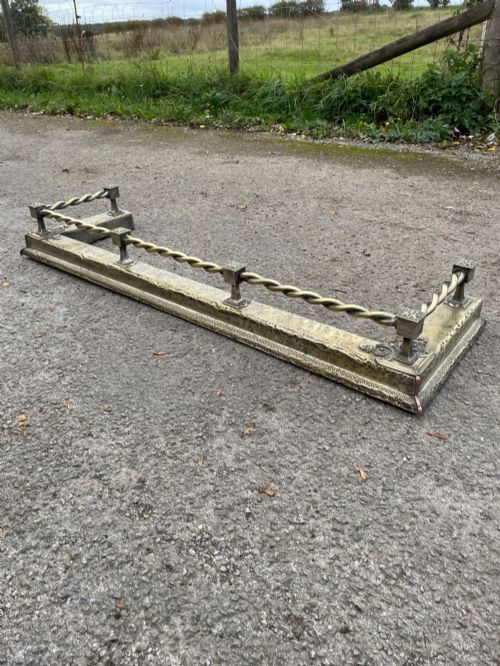
The materials span brass, steel, iron, and copper, reflecting the functional demands of domestic hearths across different decades. Victorian and Georgian examples appear frequently, alongside Regency, Edwardian, and early twentieth-century variations.
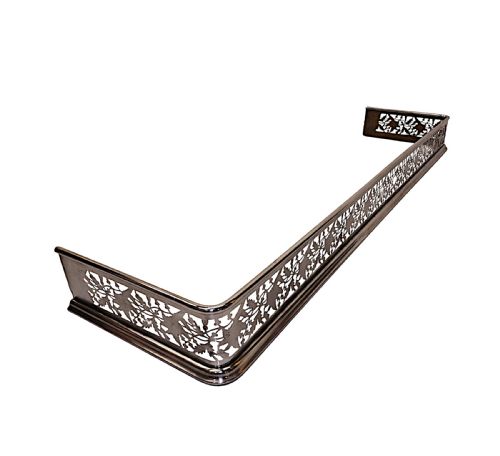
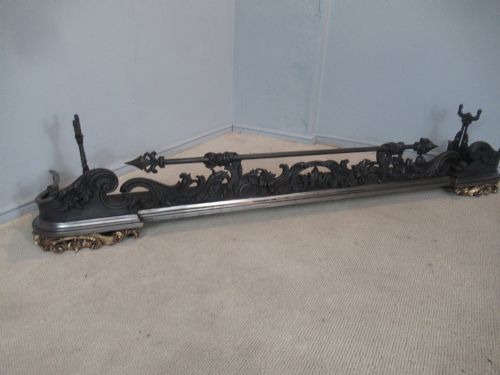
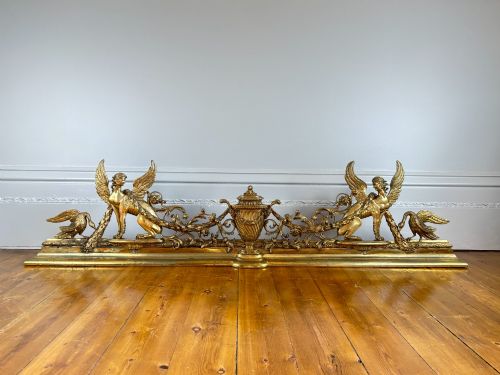
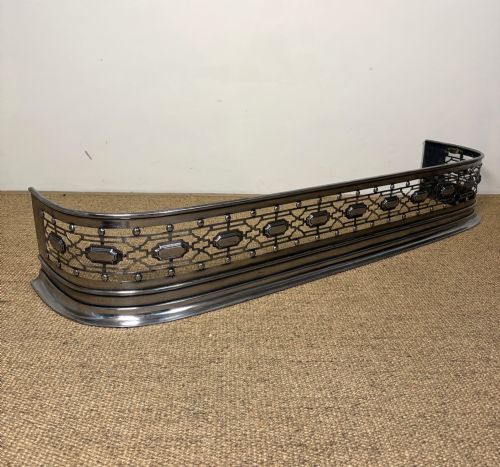
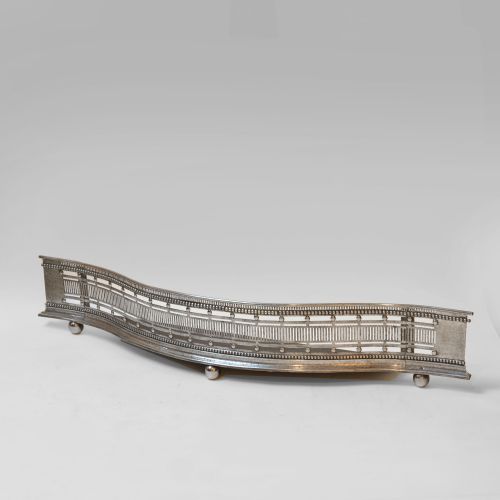
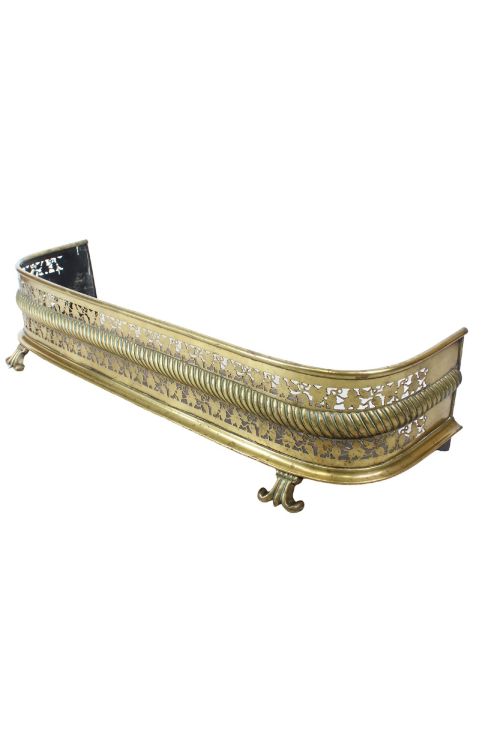
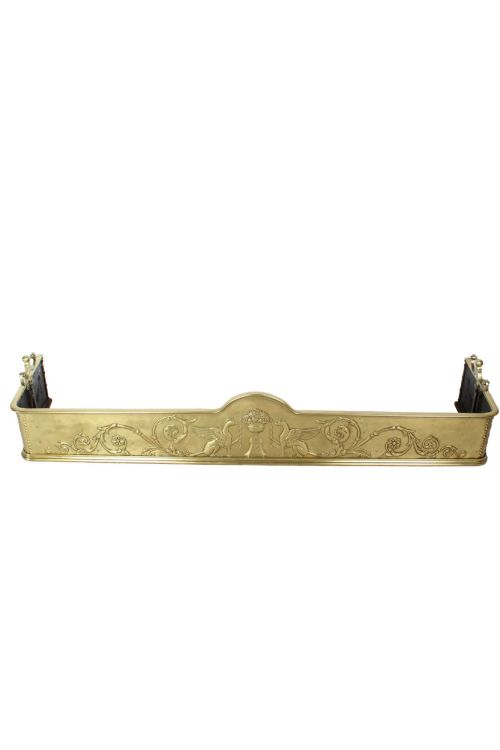
Makers shaped these metal barriers into straightforward geometric profiles or elaborate ornamental arrangements with pierced galleries and cast decoration. Selecting the correct size ensures the piece fits neatly between the jambs of the fireplace opening.
How they were made
Makers utilised heavy brass, burnished steel, cast iron, and copper, often combining materials for structural strength and visual contrast. Brass corners and steel mesh appeared alongside riveted copper panels and gilded bronze mountings.
Techniques included piercing, engraving, and casting, with skilled metalworkers producing intricate galleries, flower pateras, and neoclassical motifs. Leather upholstery was integrated into club fenders using durable hides and studwork.
Fender Curb Retail Price Guide 2026
Typical asking prices for fender curb among the pieces listed under this phrase on Sellingantiques today, from the lower quarter to the upper quarter. They describe what is for sale here now, not the wider market.
The inventory includes club fenders alongside traditional hearth frames and extending designs.
What varies in quality
Quality rests in the weight of the metal, the crispness of the cast or pierced decoration, and the integrity of the joints. Substantial gauge brass and thick steel plate indicate superior construction compared to lighter commercial alternatives.
Refinement shows in the hand-finishing of details such as engraved serpentine fronts, enamelled cabochons, and patinated leather seats. Original components and unaltered frames elevate the standing of a piece.
E F Caldwell New York
The Fender Curb Glossary
- Club fender
- A hearth barrier featuring low upholstered seats on either end, designed for sitting close to the fire. These typically combine brass frameworks with leather cushions.
- Pierced brass
- Sheet metal perforated with decorative patterns such as lattices or geometric motifs. This technique lightens the visual weight of the metal while allowing warmth to circulate.
- Cut steel
- Small faceted steel studs riveted individually to a backing plate to catch the light. This labour-intensive method creates a sparkling surface finish.
- Serpentine front
- An undulating curved profile shaping the central span of the hearth frame. This contour softens the linear geometry of the fireplace surround.
- Patera
- A circular ornamental motif resembling a classical libation dish, often cast in relief with floral or leaf patterns.
Fender Curb: Frequently Asked Questions
What is a club fender?
A club fender is a hearth guard equipped with cushioned seats on the left and right sides. These padded sections allowed people to sit directly by the fire while keeping warm.
They combine metal frames in brass or iron with leather upholstery. This dual function made them popular additions to large country house reception rooms.
How do I measure for a fender curb?
Measure the width of your hearth space and the distance the hearth projects into the room. Keep in mind that some designs feature adjustable frames to fit varying fireplace widths.
Check the internal dimensions against your fireplace opening to ensure the guard sits comfortably around the hearth stone.
What materials were used?
Makers employed brass, cast iron, steel, and copper to construct these hearth boundaries. Combinations of brass and steel appeared frequently across nineteenth-century examples.
Some pieces incorporate decorative elements such as enamel cabochons, gilded bronze, or leather seat pads. Each material responded to the prevailing style of its period.
How do I date a fender curb?
Dating relies on stylistic clues, manufacturing techniques, and materials characteristic of specific eras. Georgian examples often display refined pierced steel or serpentine fronts.
Victorian and Edwardian versions introduce heavier brass castings, Art Nouveau curves, or Arts and Crafts riveted copper construction.