

Female Figure Painting
When you search for female figure painting, you enter a diverse world of canvas portraits and sculptural depictions spanning multiple centuries and artistic movements.
Female Figure Painting
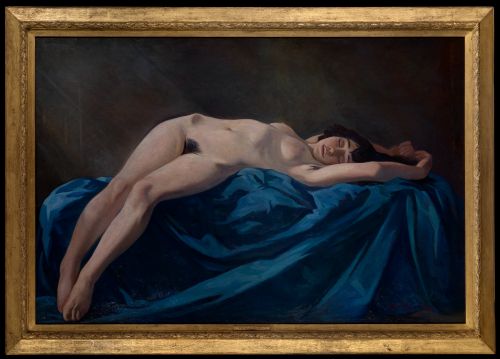
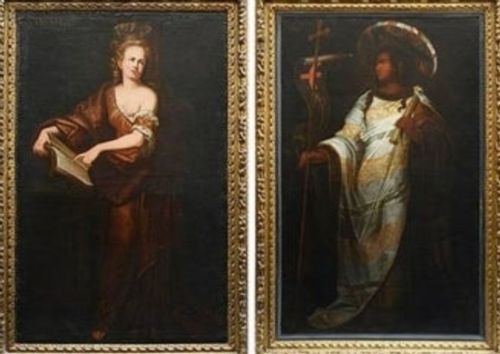
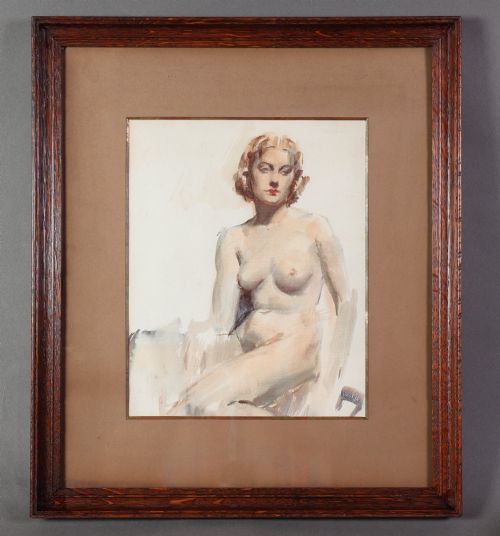
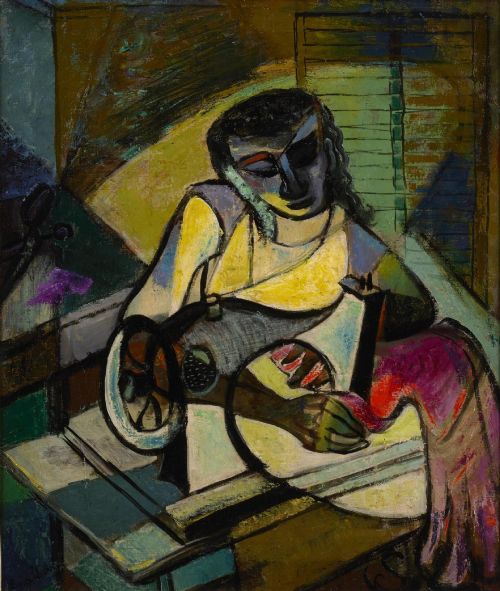
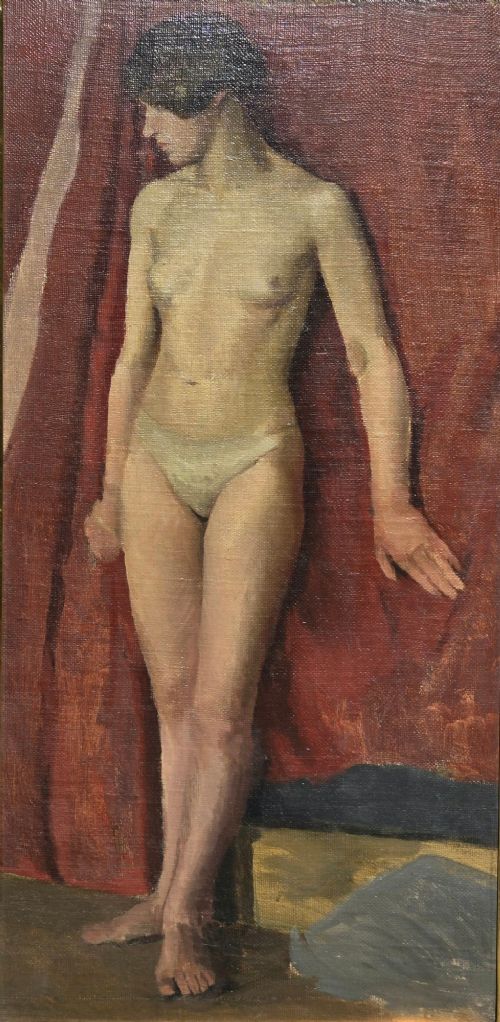
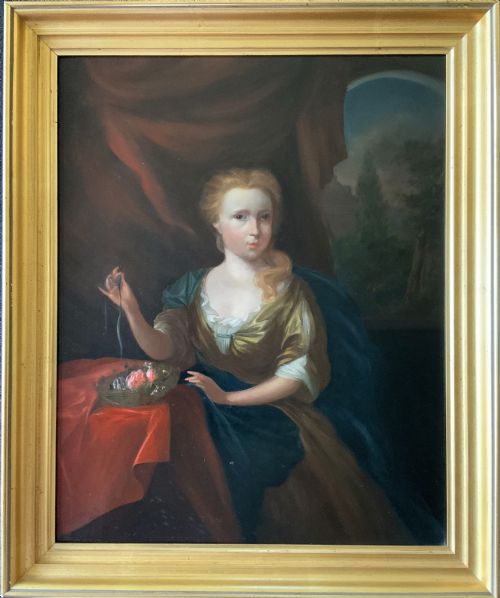
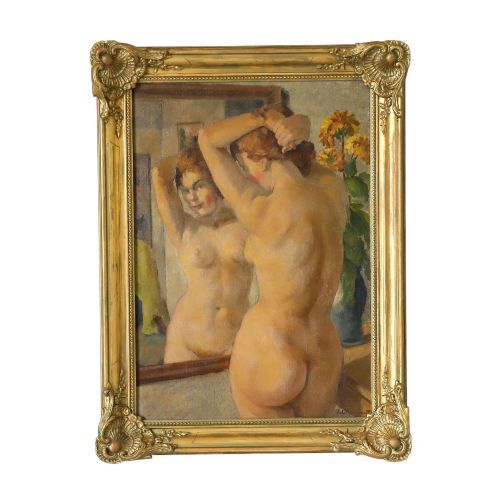
A female figure painting encompasses oil on canvas works, watercolours, and portraiture ranging from eighteenth-century classical compositions to mid-twentieth-century British and European modernist studies.
Buyers frequently encounter nineteenth-century landscape oil paintings featuring women alongside twentieth-century depictions of dancers, nudes, and mythological subjects.
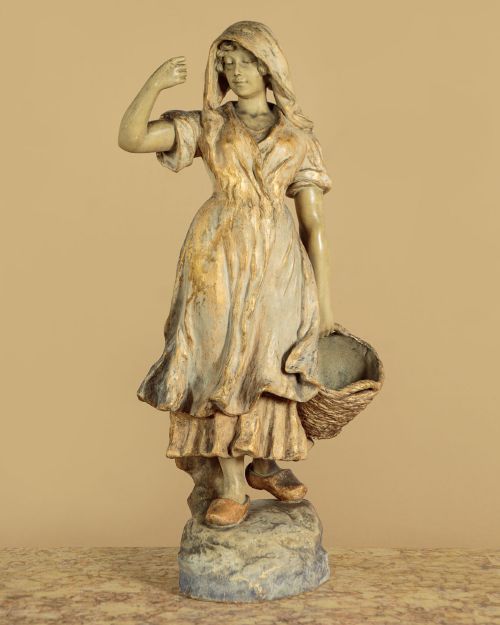
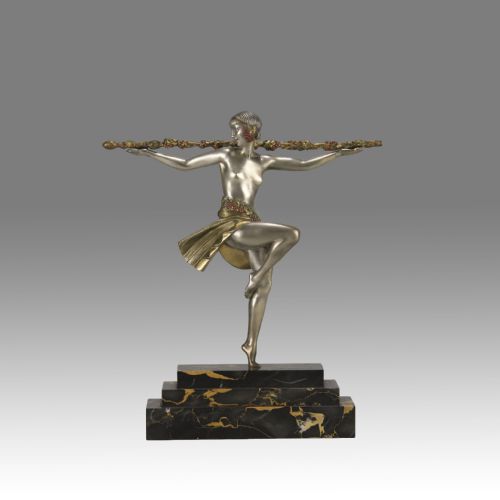
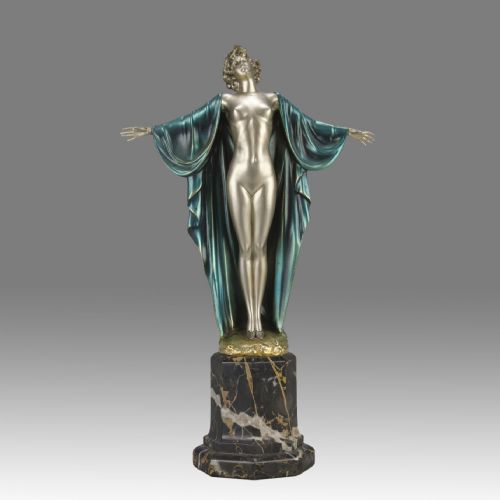
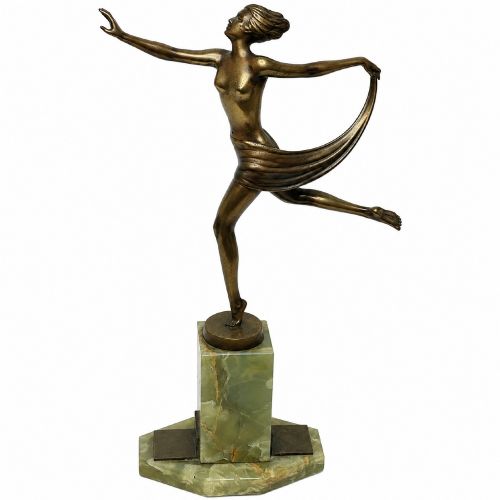
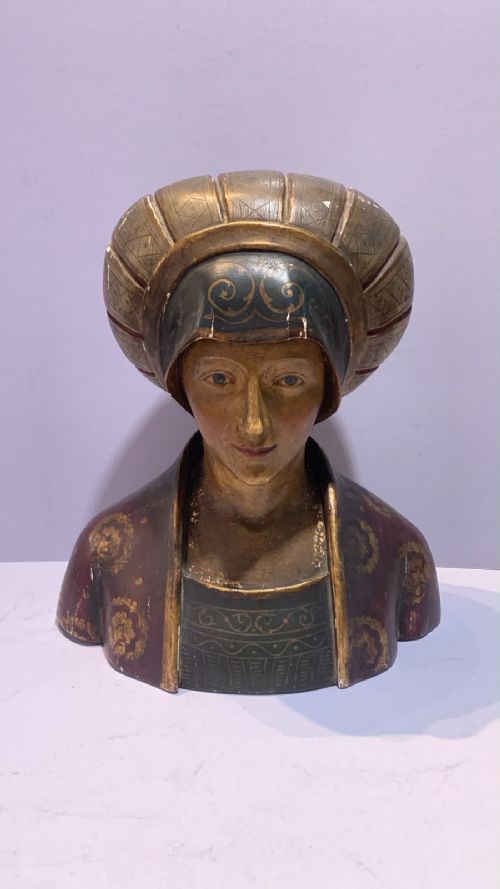
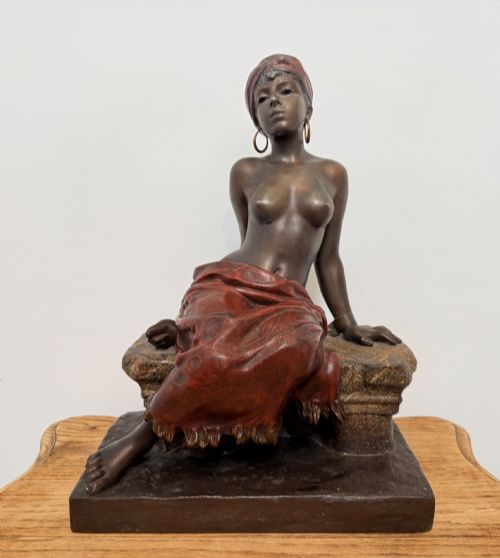
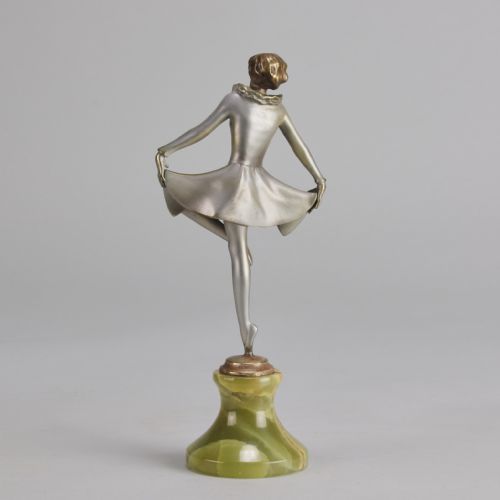
The selection also bridges two-dimensional canvas art with three-dimensional interpretations including bronze, terracotta, and spelter sculptures of women.
Materials and methods
Painters utilised oil on canvas, wood panels, watercolours, and occasionally pith paper or talc mica, applying pigment to capture detailed portraits and figures.
Sculptural representations relied on bronze, often cold-painted, alongside carved terracotta, ivory, marble, onyx, and later chrome plate or spelter for Art Deco figurines.
Listings span from the Georgian period through the 1960s, encompassing oil on canvas, cold-painted bronze, terracotta, and porcelain table lamps.
Distinctions in quality
Excellence in these works rests upon the precision of the brushwork, the expressive fidelity of the subject's expression, and the condition of the original pigment or patina.
Signed works by documented European and British artists, alongside authenticated foundry casts by prominent makers, separate standard decorative items from significant collectible pieces.
Pierre le Faguays·Ferdinand Preiss·Josef Lorenzl·Demetre Chiparus·Bernard Bloch
The Female Figure Painting Glossary
- Cold-painted bronze
- A technique where bronze sculptures are painted with cold enamel and left unheated, requiring careful preservation of the delicate pigment.
- Chryselephantine
- A term describing statues made from a combination of bronze and ivory, particularly popular in Art Deco sculptures of dancers.
- Grand Tour
- A cultural journey undertaken by nineteenth-century elites, yielding classical portrait busts and souvenirs such as noblewoman sculptures.
- Spelter
- An alloy of zinc and lead used as a cost-effective alternative to bronze in many twentieth-century Art Deco figurines.
- Canvas
- A heavy woven fabric stretched across a wooden frame to serve as the primary foundational support for oil paintings.
Female Figure Painting: Frequently Asked Questions
How do I date a painted portrait?
Dating relies heavily on costume, hairstyle, and the preparation of the canvas or wood panel. Framing styles and artist signatures also provide crucial chronological markers.
Examining the stretcher bars and the type of pigments used helps confirm whether a piece belongs to the Georgian, Victorian, or mid-twentieth-century era.
Where should I display bronze figures?
Bronze sculptures and cold-painted figurines require stable environments away from direct sunlight and excessive humidity. Placing them on sturdy wooden or marble surfaces ensures safety.
Keeping these pieces in climate-controlled rooms prevents the cold-painted enamel from flaking or fading over time.
Are watercolours as durable as oils?
Watercolours on paper or talc mica are inherently more sensitive to light and moisture than oil paintings on canvas. They demand protective framing behind glass with acid-free mounts.
Properly glazed watercolours remain vibrant for generations when kept out of direct sunlight.
What defines Art Deco style?
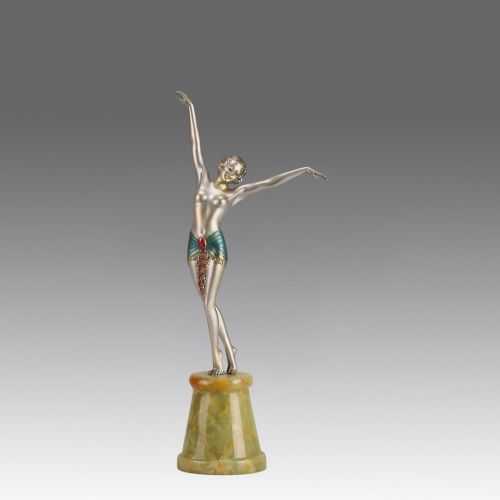
Art Deco pieces typically feature stylised geometries, dynamic poses, and sleek metallic finishes. Sculptures often capture dancers and modern women in motion.
This aesthetic, prominent during the 1920s and 1930s, contrasts sharply with the romantic realism of the nineteenth century.