












Female Dancer Figurine
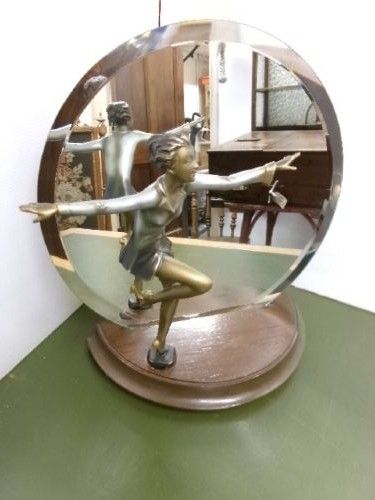
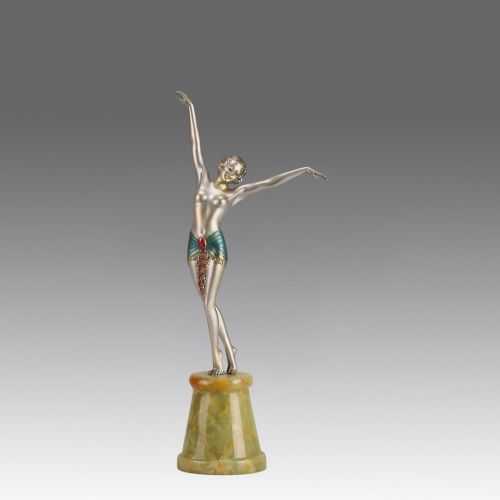
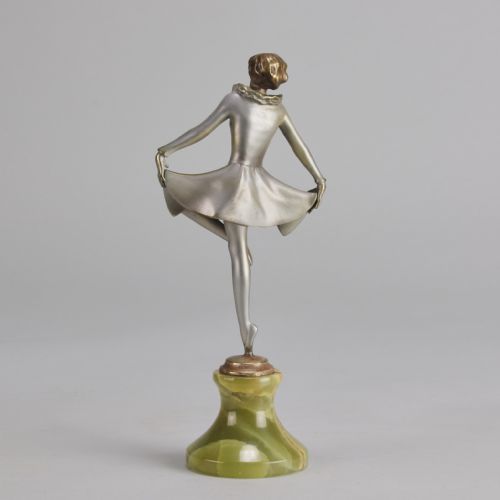
A female dancer figurine captures movement in bronze and marble, bringing the energy of the stage directly into a room.
Female Dancer Figurine
A female dancer figurine represents movement captured in solid form, drawing heavily on the dynamic aesthetics of the early twentieth century. When searching for a female dancer figurine, buyers most frequently encounter pieces created during the Art Deco period, alongside earlier Victorian and neoclassical examples.
These figures take various forms, ranging from standalone bronze sculptures on heavy stone bases to functional table lamps and porcelain statuettes. The subjects span classical ballerinas, exotic performers, and modern dancers inspired by the stages of Paris and Vienna.
Origins stretch across Europe, with French foundries and Austrian studios producing the vast majority of surviving works. Collectors also find occasional pieces reflecting Balinese art and Italian alabaster carving traditions from the same decades.
Materials and methods of construction
Foundries utilised traditional lost-wax casting methods to produce bronze figures, allowing for intricate detail in garments and limbs. Cold-painted surfaces were often applied by hand to give vibrant colour to clothing and ornamentation.
Many sculptures incorporate multi-media elements, pairing metal patination with carved ivory, alabaster, or onyx. Bases are frequently turned from solid marble or slate to provide stability for dynamic, cantilevered poses.
Spelter and painted metal served as more accessible alternatives to bronze, while porcelain figures required careful kiln-firing and hand-glazing by specialised ceramicists.
Listings feature works from the 1900s through the 1930s, executed in bronze, spelter, marble, and porcelain.
Evaluating craftsmanship and execution
The quality of the patina or cold-painted finish dictates the visual impact of a metal figure, with layered tones indicating superior artistry. Heavier, multi-coloured marble bases also signal a higher grade of manufacture compared to simple wooden plinths.
Josef Lorenzl·Demetre Chiparus·Pierre le Faguays·Claire Jeanne Roberte Colinet·Paul Philippe
The Female Dancer Figurine Glossary
- Chryselephantine
- A sculpture combining bronze and ivory. This technique was used extensively during the Art Deco period to contrast metallic patinas with carved flesh.
- Cold-painted
- A method where paint is applied to metal without heat firing. It allows for detailed polychrome decoration on bronze surfaces.
- Spelter
- A zinc alloy used as a less expensive substitute for bronze. It takes patination well but is softer and lighter than copper-based metals.
- Patina
- The surface sheen or colour developed on metal through age or chemical treatment. Artists controlled this process to enhance the shadows and contours of a figure.
Female Dancer Figurine: Frequently Asked Questions
How were these figures displayed originally?
These sculptures were designed to sit upon mantelpieces, sideboards, and occasional tables in interwar drawing rooms. Their heavy stone bases ensured stability while elevating the dancer into the line of sight.
Some versions doubled as functional objects, incorporating lamp fittings or clocks into the overall composition to suit contemporary domestic interiors.
Are signed pieces common?
Signatures appear frequently on the marble bases or bronze bodies of higher-end works. Foundries and artists often stamped their names or pseudonyms directly into the metal before casting.
Unsigned examples also exist in quantity, reflecting anonymous workshop production that met the wide demand for modern decorative art.
What distinguishes spelter from bronze?
Spelter is a softer, zinc-based alloy that feels lighter and shows a duller sound when tapped gently. Bronze contains copper and tin, offering greater weight, durability, and resonance.
Examining the underside of a base often reveals the underlying grey metal of spelter beneath any surface plating or paint.
How do I care for cold-painted surfaces?
Cold-painted finishes require dry dusting with a soft brush, avoiding any liquid cleaners or solvents that might strip the pigment. Keeping pieces away from direct sunlight prevents the painted details from fading over time.
Handling should be minimised to protect the fragile surface layers from the natural oils of the skin.