





Fars Province Tribal Weaving
Fars province tribal weaving brings genuine nomadic character into a room through hand-knotted bags and decorative textiles created in south-west Persia.
Fars Province Tribal Weaving
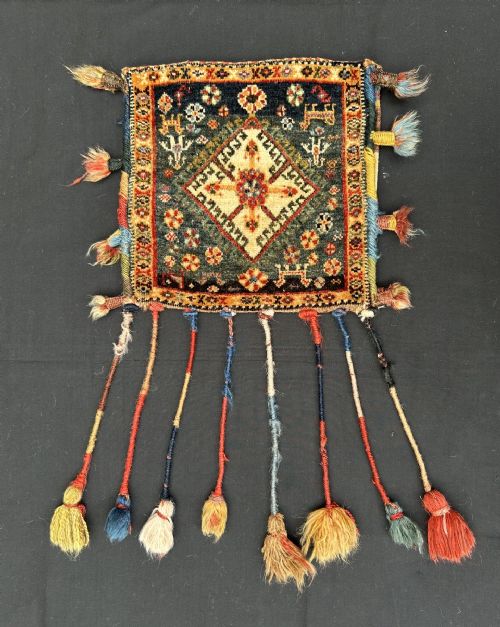
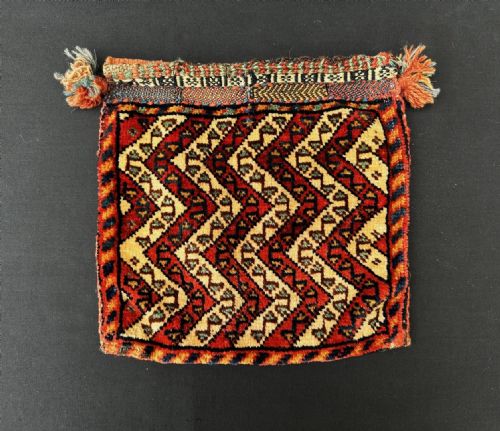
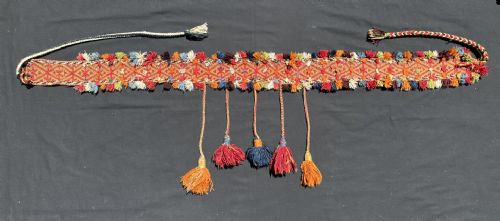
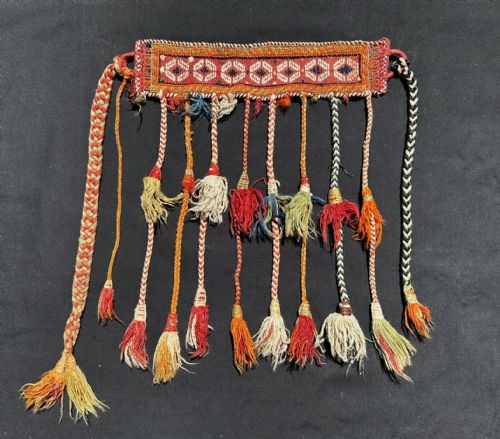
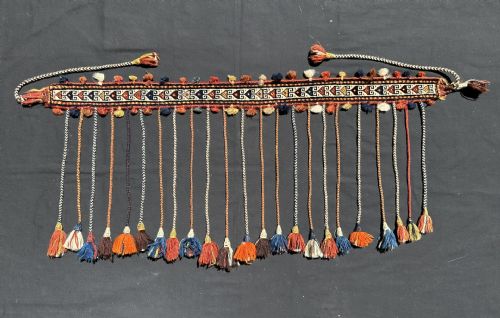
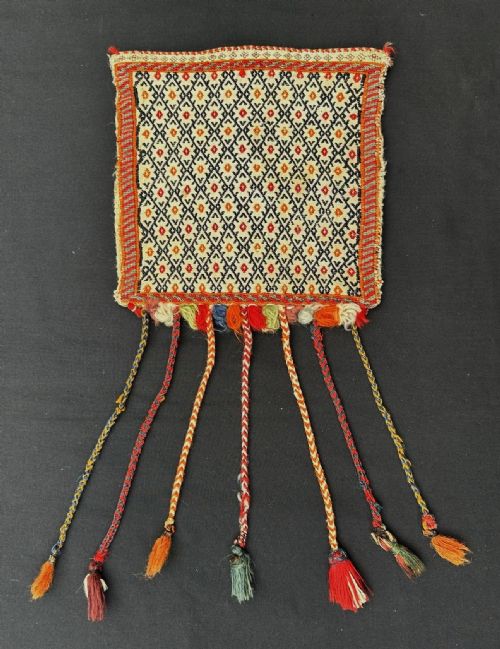
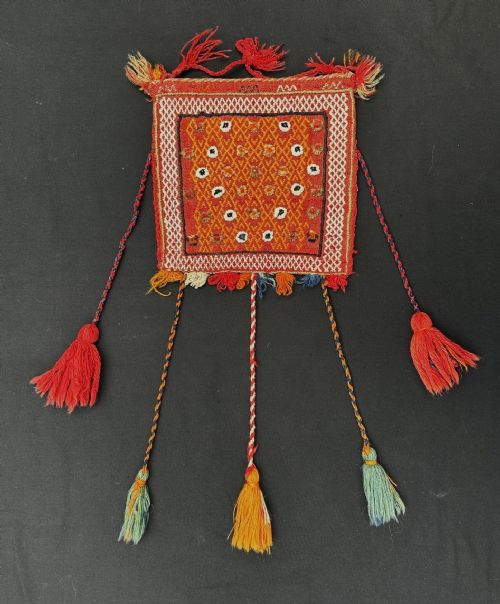
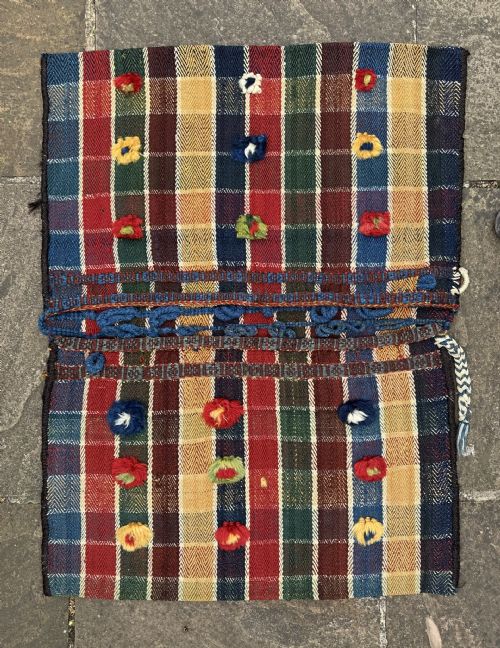
Fars province tribal weaving comprises functional items created by nomadic groups in south-west Persia, notably the Qashqa'i confederacy and its various sub-tribes. These pieces take the form of vanity-bags, saddlebags, salt-bags, animal trappings, storage-bags, and flat-woven moj coverings.
The objects stem from specific periods between eighteen-eighty and nineteen-twenty, reflecting traditional pastoral lifestyles. Domestic utility dictates the shapes, producing narrow pouches for spoons or water-pipes alongside robust containers for daily provisions.
Sub-tribal groups such as the Bolvardi, Kashkuli Tayefeh, Darrehshuri Tayefeh, and Shekarlu Tayefeh produced distinct variations within this regional category. Buyers encounter these specific tribal attributions frequently across the current selection of textiles.
Materials and Construction
Makers utilised hand-spun wool alongside standard wool and cotton foundations to build durable structures capable of withstanding nomadic movement. Natural dyes supplied the colour palette for the intricate patterns woven into each bag and trapping.
Additional components incorporate wood and leather, appearing where structural reinforcement or hanging capability required sturdier materials. The combination of these raw elements produced resilient textiles designed for practical daily use.
Listings span three specific decades: eighteen-eighty, nineteen-hundred, and nineteen-twenty.
Distinctions in Quality
Subtleties in dye saturation and the fineness of the wool preparation differentiate individual pieces within the regional grouping. Tighter structural density in the weaving indicates greater care taken during the creation process.
Clarity of tribal motifs and the complexity of designated sub-tribe attributions elevate specific examples. The survival of auxiliary materials like leather and wood further distinguishes better-preserved utilitarian items.
The Fars Province Tribal Weaving Glossary
- Tayefeh
- A designated clan or sub-tribe within the broader confederacy structure. This term often appears alongside specific tribal names to denote exact geographic origins.
- Moj
- A traditional flat-woven textile or cover produced by tribal groups. These pieces serve functional domestic purposes within nomadic settlements.
- Saddlebag face
- The decorative front panel of a paired riding bag separated from its rear web. These panels survive independently as decorative wall hangings.
- Animal trapping
- A specialised woollen decoration fashioned for horses or other livestock during tribal processions. Such items display distinct regional iconography.
Fars Province Tribal Weaving: Frequently Asked Questions
What are these tribal bags?
These items are utilitarian containers and decorations produced by nomadic confederacies in south-west Persia.
Nomads relied on these woven vessels for storing personal items, salt, or household goods during seasonal migrations.
How do I date these textiles?
Dating relies on recorded periods spanning from eighteen-eighty to nineteen-twenty based on material wear and structural characteristics.
Sub-tribe attributions also help historians place individual pieces within specific decades of production.
How do I display them?
Smaller vanity-bags and saddlebag faces adapt well to vertical placement as wall hangings in domestic interiors.
Their robust wool construction allows them to integrate smoothly into traditional or modern living spaces.