


Farmhouse Side Table Drawers
Farmhouse side table drawers bring working utility and honest timber grain into domestic spaces.
Farmhouse Side Table Drawers
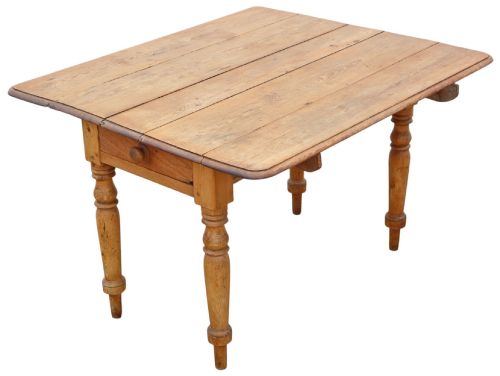
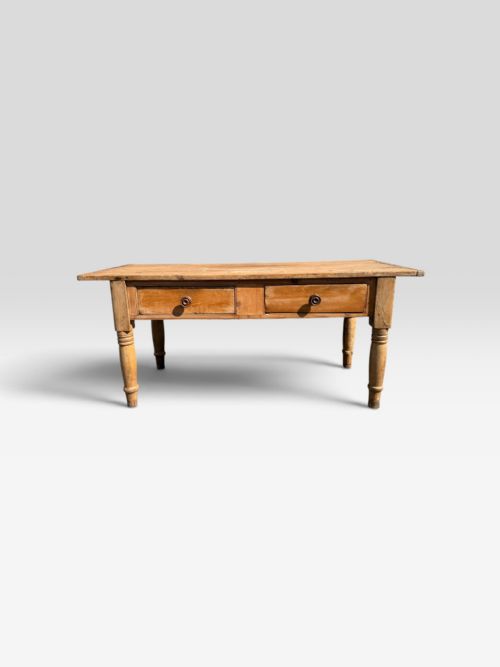
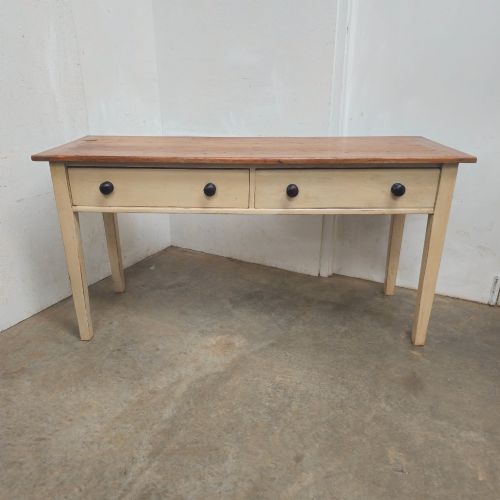
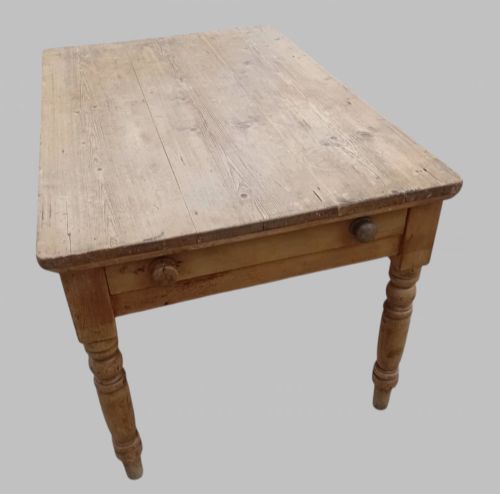
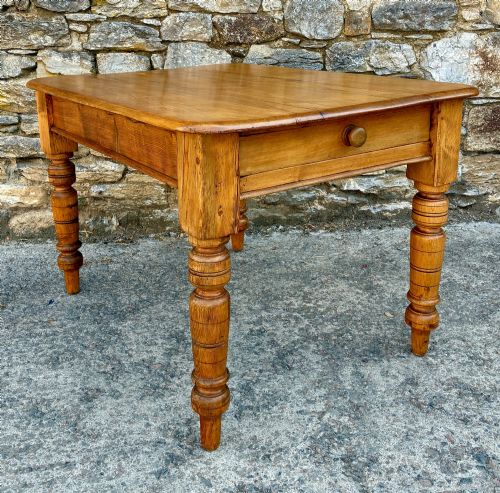
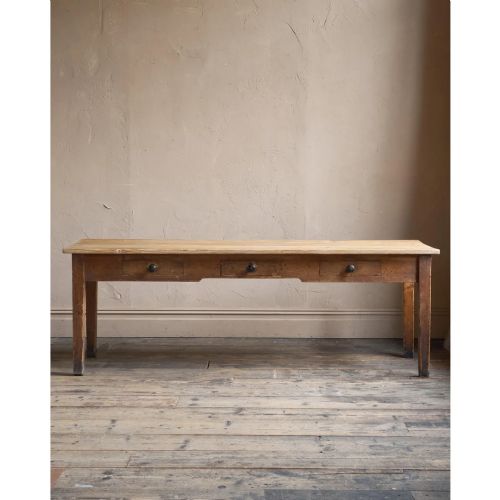
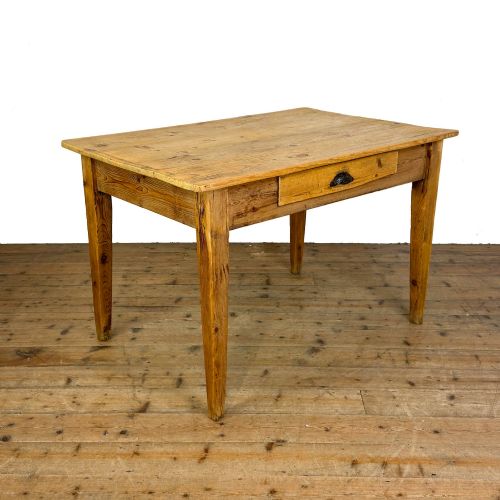
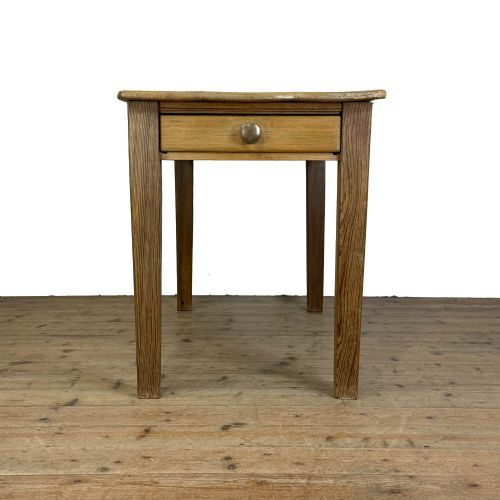
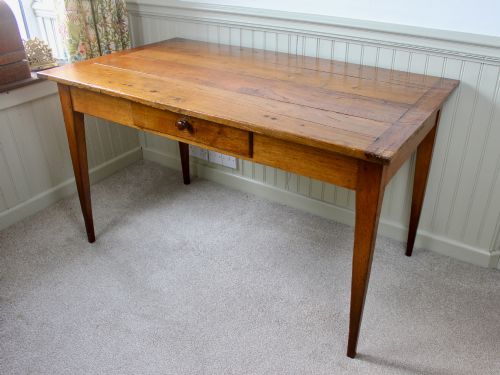
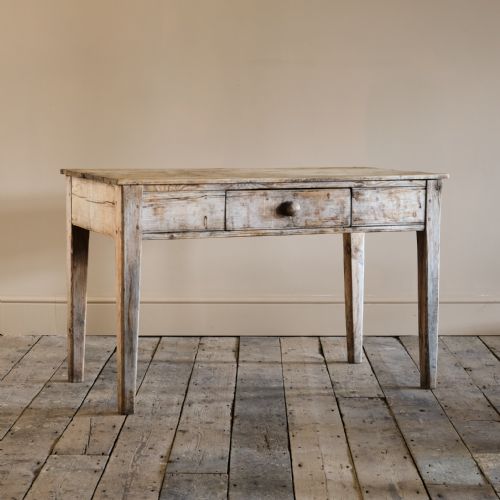
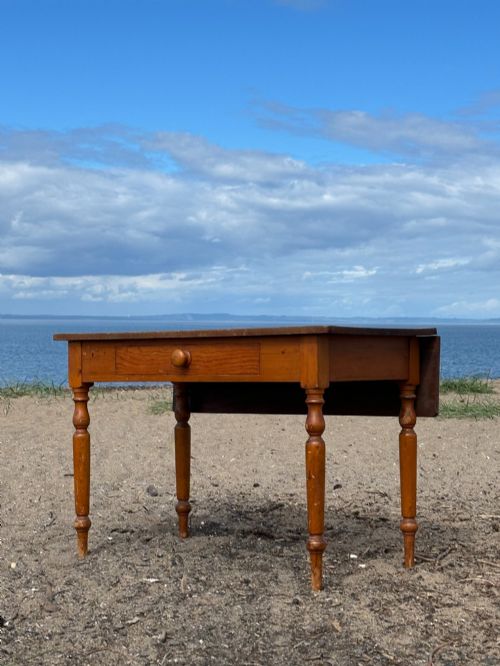
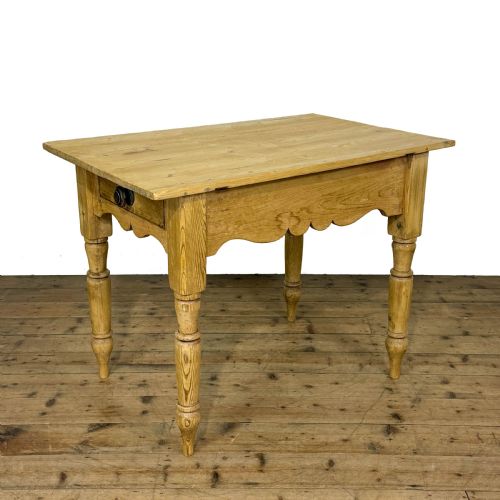
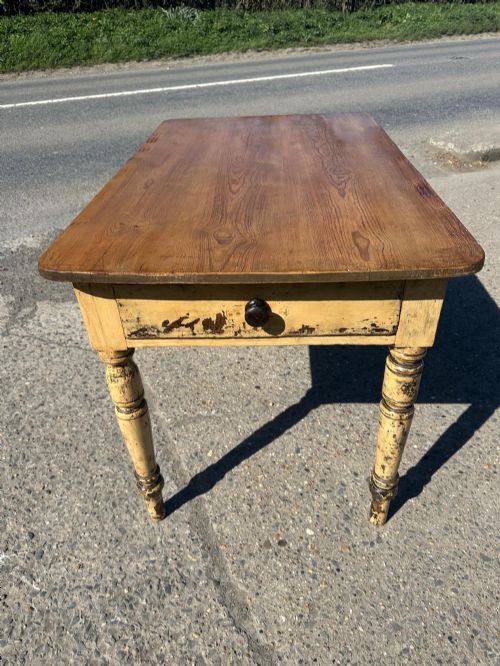
Farmhouse side table drawers are practical utility furniture designed for domestic workspaces, sculleries and kitchens, spanning dining, console and prep forms. When you search for farmhouse side table drawers, you encounter sturdy pieces primarily rooted in the nineteenth century and the Victorian era. These utilitarian tables served working functions in country houses, dairies and manor kitchens before entering domestic circulation as living and dining furniture.
The objects appearing here emerge predominantly in pine, oak and cherrywood, styled through rustic, provincial and country traditions. Forms range from compact kitchen tables and narrow servers to long console tables and scullery tables equipped with side drawers. You are most likely to meet nineteenth-century pine examples featuring scrubbed timber tops and single or multiple storage drawers.
Materials and construction
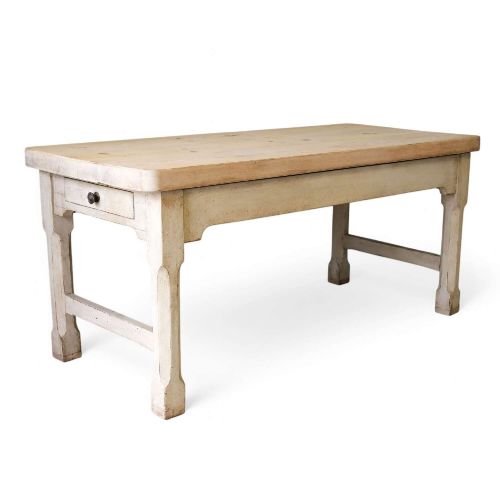
Makers constructed these tables from solid domestic and regional timbers including pine, pitch pine, oak, elm and cherrywood. Iron and brass hardware appeared on drawers and folding mechanisms, while some surfaces received later paint finishes or retained original painted legs.
Joinery focused on structural resilience for heavy daily tasks in kitchens and sculleries. Plank tops sat on sturdy frames designed to withstand preparation work, washing and serving.
A French manor kitchen table comes with stories of countless heavy doughs kneaded and gossip shared over steaming pots.
Assessing quality and character
Quality rests in the integrity of the timber selection and the honesty of the construction. Tables built from dense pitch pine, figured oak or rich cherrywood with sound joinery distinguish themselves from simpler utility pieces.
Surface patination and originality define the upper tier of these tables. Original painted finishes, untouched scrubbed timber tops and well-preserved drawer structures carry more visual weight than heavily altered or stripped examples.
The Farmhouse Side Table Drawers Glossary
- Scullery table
- A heavy utility table designed for kitchen preparation and washing tasks. These pieces frequently feature robust timber tops and practical storage drawers.
- Prep table
- A dedicated work table used in country houses for food preparation. They often display scrubbed wooden surfaces from rigorous daily cleaning.
- Console table
- A long, narrow table designed to stand against a wall. Examples in this category often incorporate multiple drawers for storage.
- Potboard
- A lower shelf fitted beneath a table or server, traditionally used to store pots and heavy kitchen utensils.
Farmhouse Side Table Drawers: Frequently Asked Questions
What were farmhouse tables used for?
These tables served as the central workspace for food preparation, baking and scullery tasks in country homes and estate kitchens. Their integrated drawers held utensils, linens and everyday implements.
Over time, many of these utilitarian surfaces transitioned into dining areas, hallways and living spaces as versatile side and console tables.
How do I date an antique pine table?
Dating relies on examining the timber grain, construction methods, tool marks and hardware. Nineteenth-century pieces often show hand-cut joinery and signs of heavy kitchen use.
Comparing the wood patination and drawer construction helps distinguish mid-nineteenth-century examples from later Victorian pieces.
Are scrubbed tops original?
Scrubbed tops result from decades of vigorous scrubbing with soap and water to keep working kitchen surfaces clean. This process removed old finishes and left the pale, textured grain seen today.
Many period tables retain these cleaned wooden surfaces as a desirable feature of their working history.
How do I clean a painted base?
Painted bases require gentle dusting and occasional cleaning with a damp cloth to preserve the surface finish. Avoid harsh chemical cleaners that can strip old or original paint.
Preserving the existing patination maintains the historical character of the piece.