

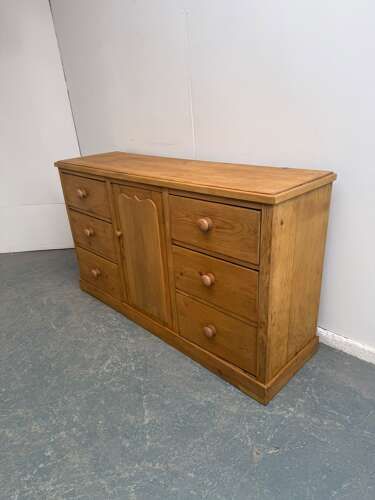
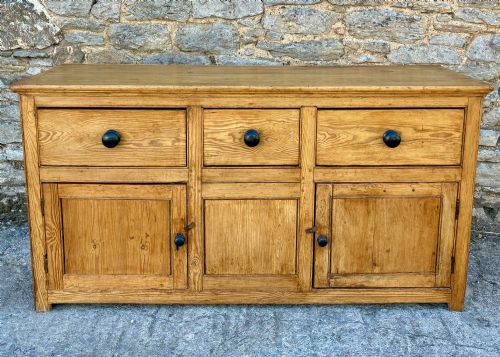
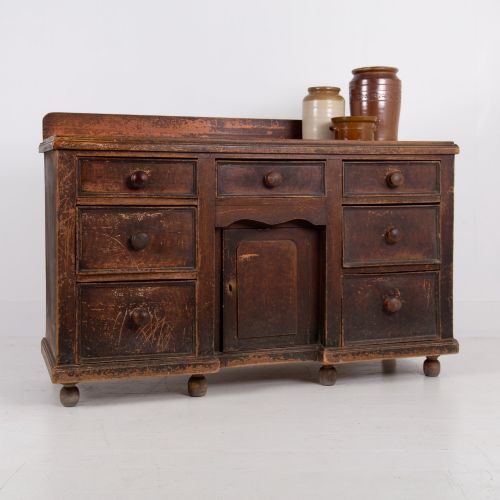

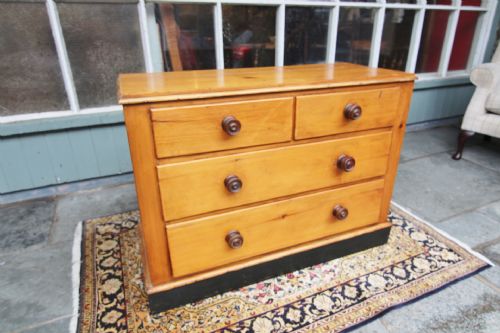


Farmhouse Pine Dresser Base
A farmhouse pine dresser base offers enduring utility and rustic character, serving as a practical workspace and storage hub in any kitchen.
Farmhouse Pine Dresser Base
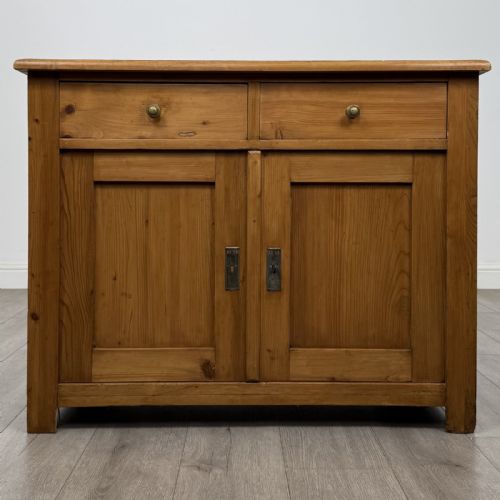
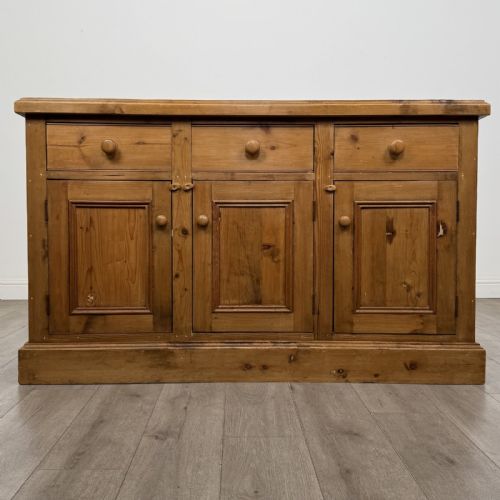
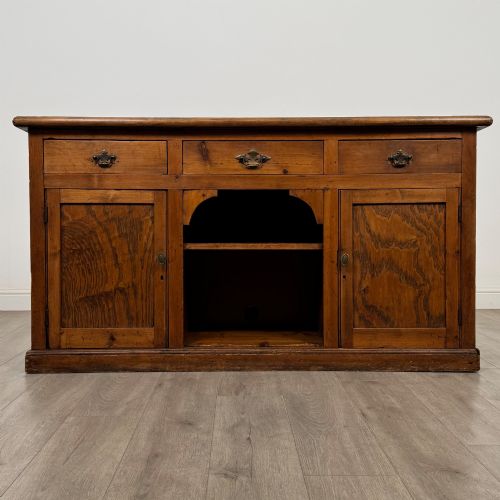
When you search for a farmhouse pine dresser base, you are looking at sturdy, utilitarian furniture designed for daily use in country kitchens and dairies. These pieces typically feature a combination of drawers and cupboards set beneath a robust top surface, providing substantial storage for household goods and provisions.
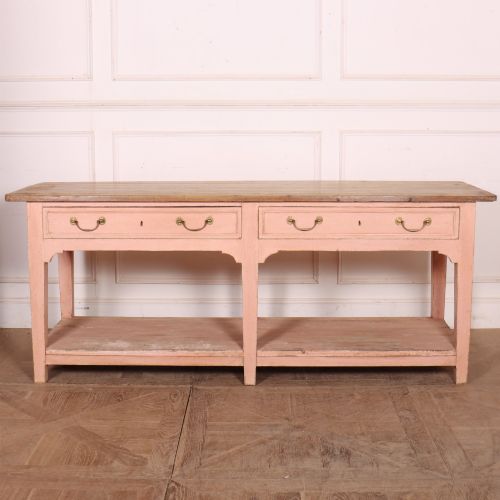
You are most likely to meet nineteenth-century examples on this page, including Victorian pieces and regional variations such as Scottish vernacular or English country house styles. Forms range from traditional potboards and dairy dressers to long sideboards and multi-drawer chests.
The materials used reflect their practical origins, predominantly solid pine timber often finished with wax or retaining original paint. These pieces embody the rustic charm of rural domestic life while remaining adaptable for modern interiors.
How they were made
These dresser bases were constructed primarily from solid pine and elm, utilising durable joinery designed to withstand heavy daily labour in nineteenth-century kitchens. Cabinet makers built them to last, employing thick timber tops and sturdy panelled doors.
Surface treatments varied from simple waxed finishes that highlighted the natural grain of the wood to layers of painted timber. Hardware such as brass fittings was often incorporated for drawer pulls and cupboard handles.
Farmhouse Pine Dresser Base Retail Price Guide 2026
Typical asking prices for farmhouse pine dresser base among the pieces listed under this phrase on Sellingantiques today, from the lower quarter to the upper quarter. They describe what is for sale here now, not the wider market.
Listings feature solid pine, painted timber, and brass hardware across nineteenth-century and Victorian periods.
What varies in quality
The distinction between standard utility pieces and finer examples rests on proportion, regional construction methods, and the integrity of the timber. Monumental country house pieces or specialised Scottish potboard designs exhibit superior craftsmanship compared to basic workshop furniture.
Survival of original finishes, such as early painted surfaces or rich waxed patination, significantly defines the character of a piece. Substantial scale and well-proportioned drawer configurations separate the most desirable examples from simpler regional variants.
The Farmhouse Pine Dresser Base Glossary
- Potboard
- A lower open shelf built into a dresser base specifically designed for storing heavy pots and pans. This feature is particularly characteristic of traditional regional furniture.
- Vernacular
- Everyday furniture built by local craftsmen using regional styles and readily available local materials rather than following formal academic design rules. It reflects the practical needs of the local community.
- Patina
- The surface sheen and colour acquired by wood through age, handling, and regular waxing over many decades. It serves as a visual indicator of authenticity and historical use.
- Sideboard
- A long, low piece of furniture featuring cupboards and drawers, often grouped alongside dresser bases in nineteenth-century domestic settings. It provided essential surface space for serving food.
Farmhouse Pine Dresser Base: Frequently Asked Questions
How were dresser bases used?
These pieces served as the central workspace and storage unit in nineteenth-century kitchens, holding food preparation equipment and tableware.
The top surface acted as a counter for culinary tasks, while the drawers and cupboards kept provisions and utensils close at hand.
How do I date a pine dresser base?
Dating relies on construction methods, timber characteristics, and hardware styles associated with the nineteenth century and Victorian periods.
Regional variations and original painted surfaces also provide clues to the approximate decade of manufacture.
Can I use a dresser base in a modern kitchen?
These robust pieces integrate well into contemporary spaces, serving as kitchen islands, sideboards, or media consoles.
Their ample storage and durable timber tops offer practical utility alongside traditional rustic character.