
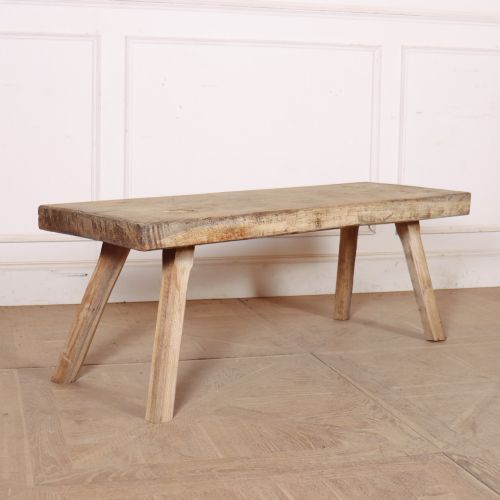
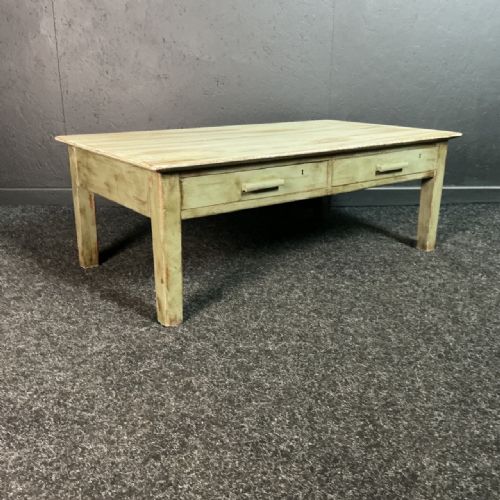
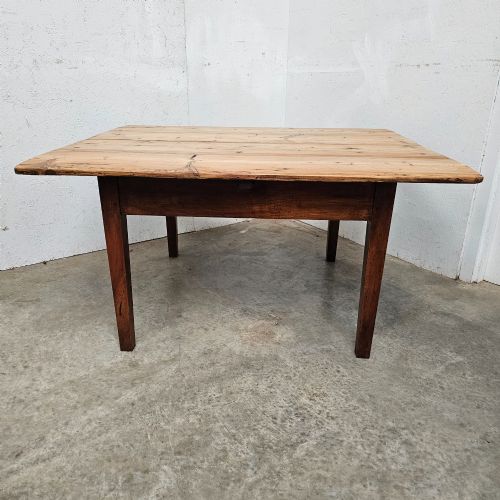
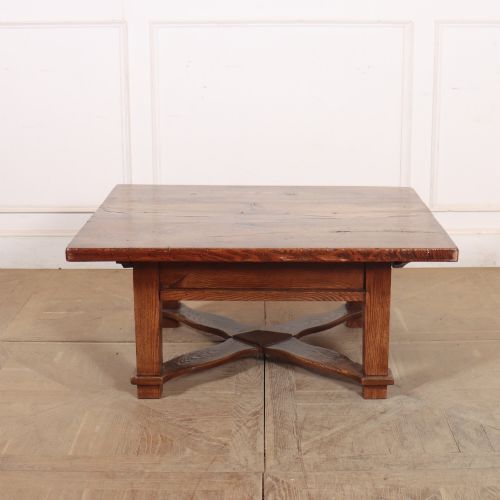


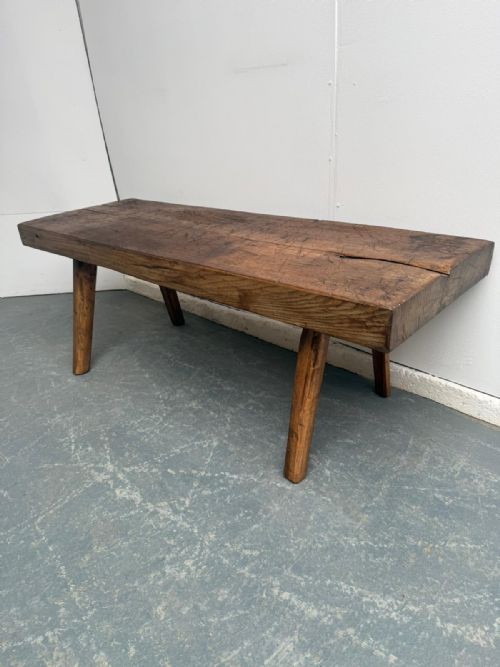

Farmhouse Low Wooden Table
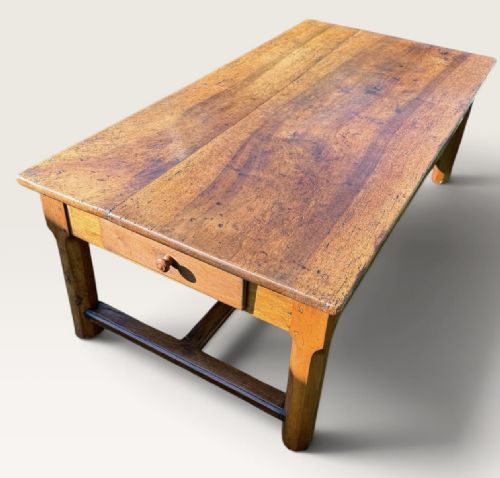
A farmhouse low wooden table grounds a room with honest utility, offering sturdy timber surfaces shaped by generations of domestic use.
Farmhouse Low Wooden Table
A farmhouse low wooden table encompasses robust rustic forms suited to central living spaces, combining utilitarian heritage with low proportions. Buyers seeking a farmhouse low wooden table will encounter pieces adapted from larger work surfaces or built originally with low profiles for daily domestic tasks.
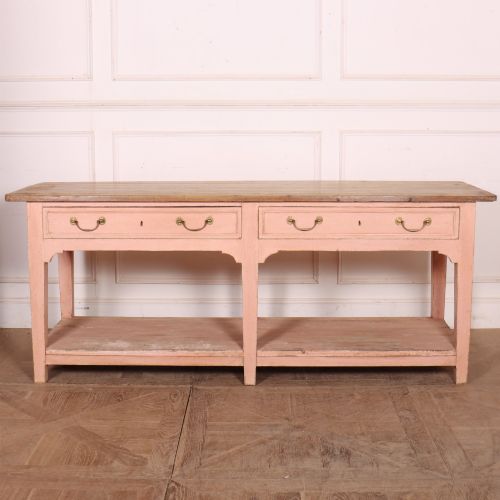
The selection ranges across the 18th century, 19th century, and early 20th century, drawing from English, French, Austrian, and Hungarian traditions. Common formats include modified benches, low dressers, and repurposed work tables rather than formal parlour furniture.
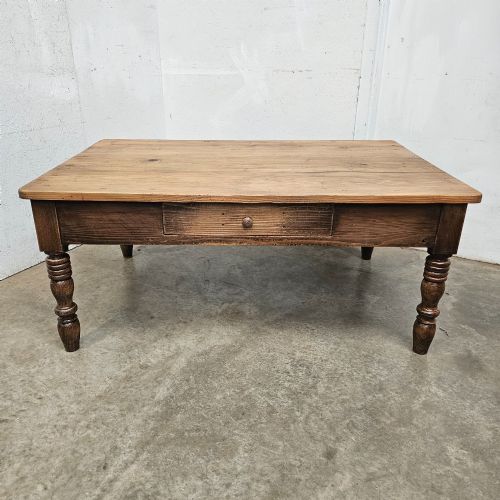
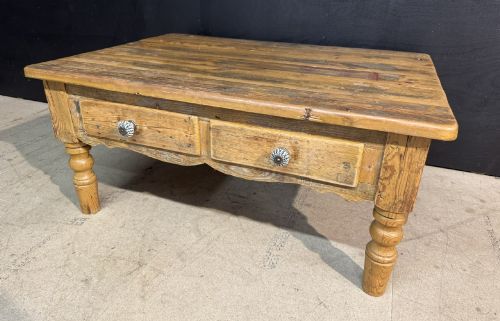
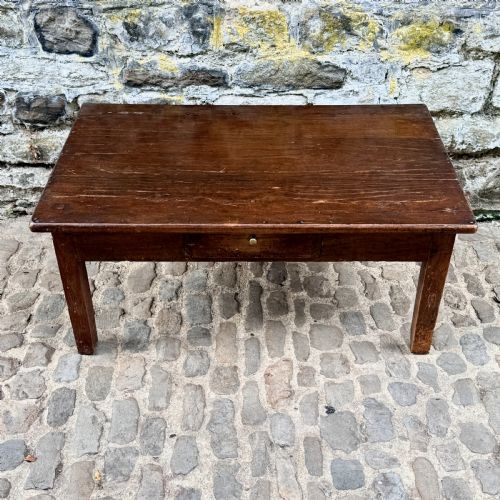
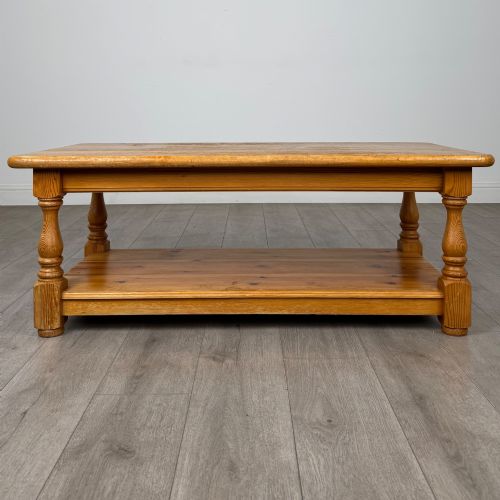
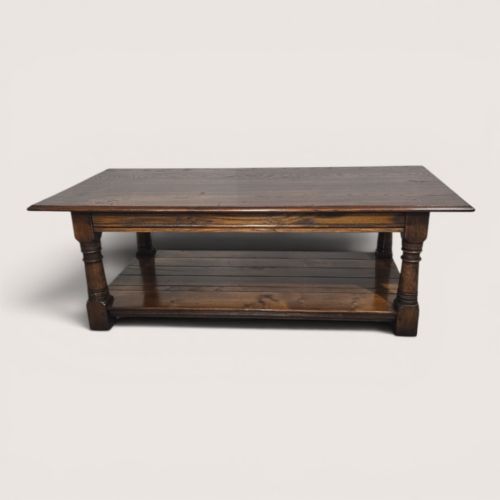
Pine and oak predominate alongside elm, fruitwood, cherry, and walnut, presenting scrubbed tops, turned legs, and occasional drawers. These surfaces reflect centuries of preparation, kneading, and gathering in domestic kitchens and workshops.
Construction and materials
Makers constructed these tables from regional hardwoods and softwoods like oak, pine, elm, and fruitwood, selecting timber for local availability and practical strength. Boards were joined simply using pegged mortise and tenon joints or heavy plank construction designed to withstand heavy daily use.
Surfaces often show the marks of hand-planing and scrubbing, leaving bare timber grain or remnants of old paint and scrubbed finishes. Legs range from sturdy turned supports to simple trestle bases and tapered posts, braced securely to prevent movement.
Listings feature pieces spanning the 18th century, Victorian era, and early 20th century, constructed from oak, pine, elm, walnut, cherry, and fruitwood.
Factors of quality
Quality rests in the integrity of the original timber and the restraint of any later alterations, separating honest domestic survivors from heavily reconstructed pieces. Grain movement, surface patination shaped by decades of cleaning, and tight structural joints distinguish the better examples.
Proportion and scale dictate visual success, particularly where taller benches or work tables have been reduced in height for modern coffee table use. The balance between leg thickness, top thickness, and overall length determines whether a converted piece retains its functional dignity.
The Farmhouse Low Wooden Table Glossary
- Scrub top
- A wooden table top left bare and cleaned repeatedly with water and scrubbing brushes, creating a pale, textured surface.
- Pig bench
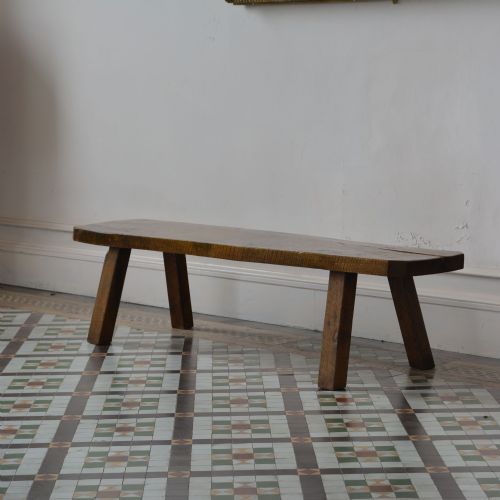
- A low, narrow wooden bench traditionally used in agricultural settings for butchery or domestic preparation, now utilised as a low table.
- Potboard
- A low slatted shelf fitted between the lower stretcher rails of a dresser base or table for storing pots and pans.
- Trestle table
- A table supported by two or more upright frames connected by a horizontal beam or stretcher rather than four corner legs.
- Patina
- The surface sheen and colour developed over decades through handling, waxing, exposure to light, and daily wear.
Farmhouse Low Wooden Table: Frequently Asked Questions
What is a farmhouse low wooden table used for today?
These tables serve primarily as coffee tables in living spaces, providing a stable, low surface with significant character.
Their substantial timber construction handles daily placement of books, mugs, and objects while anchoring the room with rustic warmth.
Are these tables original or converted from taller furniture?
The selection includes both purpose-built low tables and pieces such as benches or work tables that were lowered from standing height.
Conversions are common in this category, reflecting how older agricultural and kitchen furniture adapts to modern seating heights.
How do I care for an antique timber surface?
Protect the dry or scrubbed wood using natural beeswax applied sparingly, buffing gently to maintain the historic surface texture.
Avoid excessive moisture and use coasters to prevent staining on unsealed or historically scrubbed tabletops.
How can I tell the regional origin of these tables?
Regional traits appear in the choice of timber, such as fruitwood or sycamore in French pieces and dense oak or pine in English examples.
Joinery details and specific regional forms like Hungarian pig benches or West Country elm benches also point to geographic origins.