
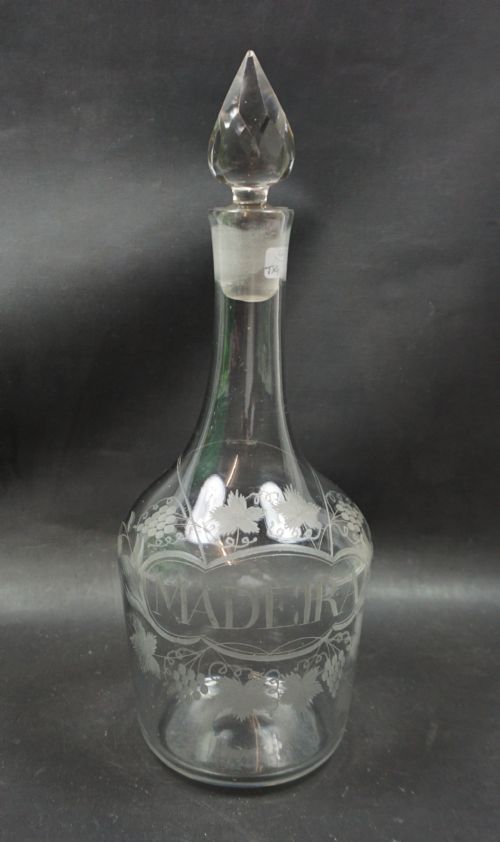

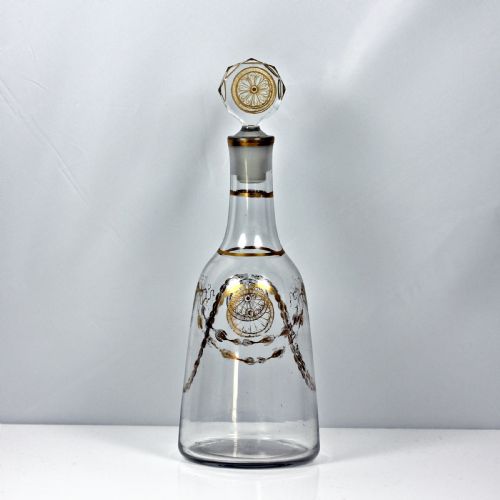


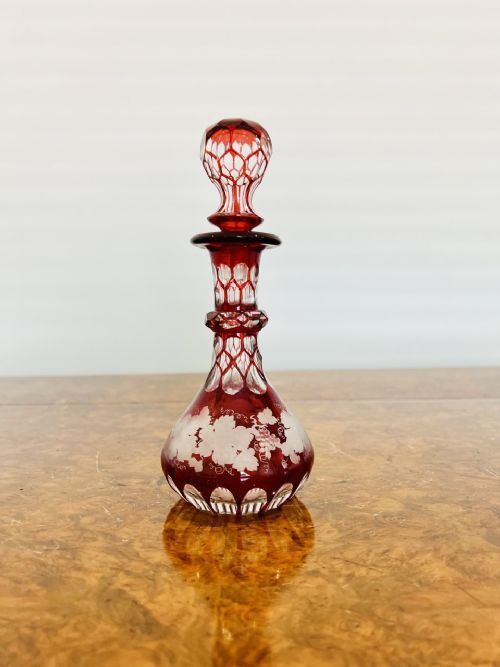


Faceted Stopper Glass Decanter
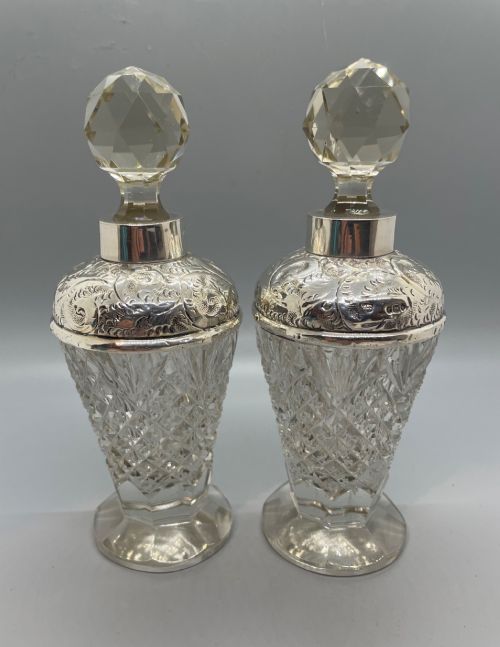
A faceted stopper glass decanter brings heavy-handed sparkle and heft to a table, catching candlelight in every cut facet.
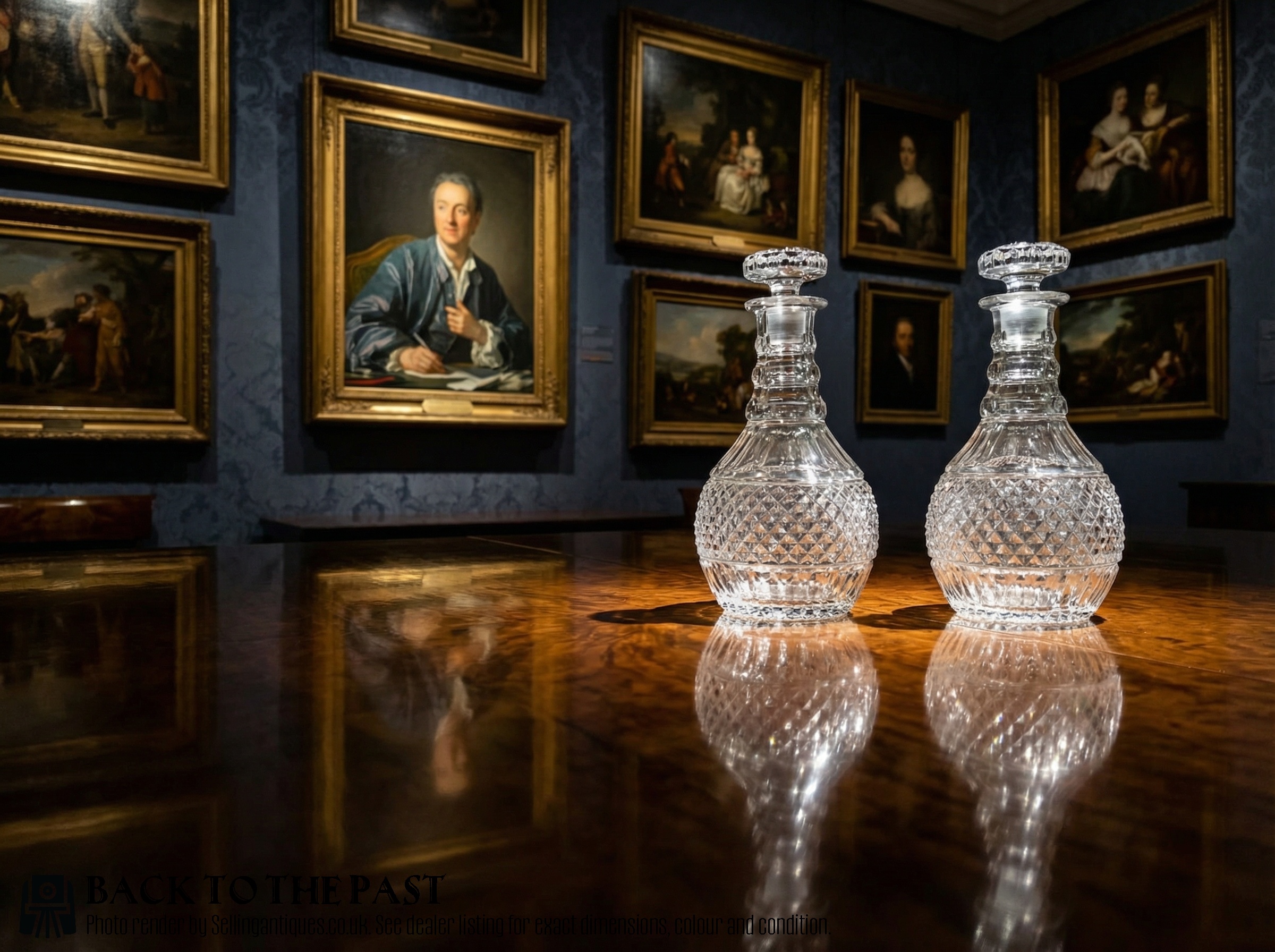
Faceted Stopper Glass Decanter
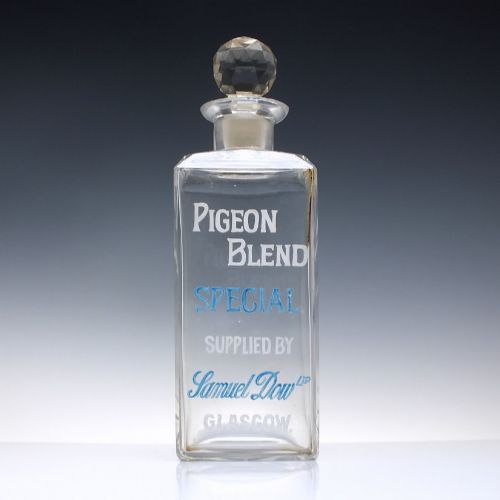
A faceted stopper glass decanter is typically found spanning from the Georgian era through to the Edwardian period and early twentieth century. Buyers encounter shoulder decanters, whisky vessels, sugarloaf beer forms, and smaller perfume bottles alongside standard spirit containers.
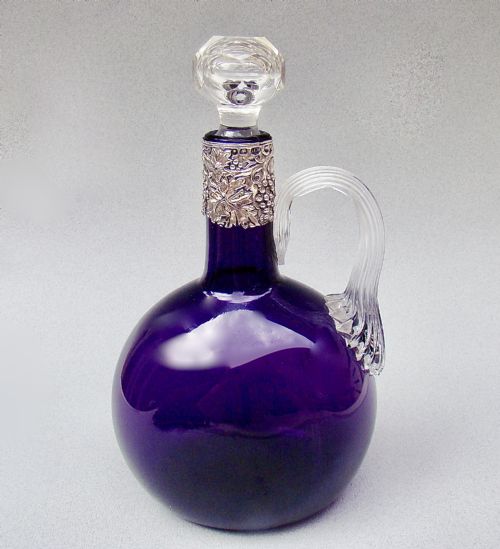
Victorian and Edwardian examples dominate the current selection, frequently appearing in pairs or trios alongside single Georgian pieces. Makers shaped these items into bells, ewers, and heavy columnar profiles designed for holding wine, spirits, or liqueurs.
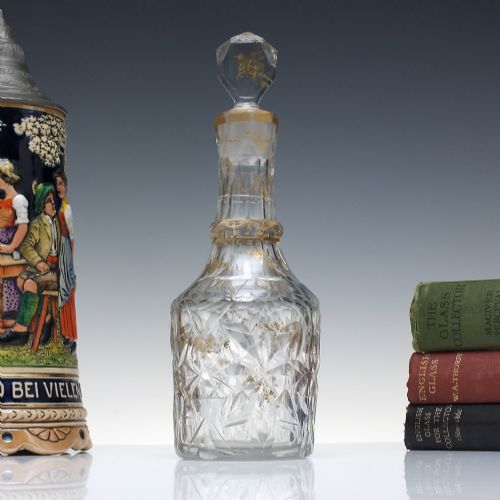
The defining characteristic across these periods remains the heavy cutting applied to both the vessel body and its matching stopper. Eighteenth-century examples often display gilding or enamel work, while later nineteenth-century pieces rely on deep wheel-cut patterns and silver collars.
Materials and technique
Craftsmen shaped these vessels from heavy glass, lead crystal, and clear glass using traditional blowing methods before applying cold-work cutting techniques. The resulting heavy blanks permitted deep geometric wheel cuts that created distinct refractive facets.
Many specimens incorporate sterling silver mounts, collars, or locking mechanisms supplied by silversmiths to secure the neck and stopper. Decoration extended beyond cutting to include gold leaf gilding, enamelling, and surface engraving.
Some Victorian manufacturers added locking mechanisms to their decanters so Victorian hosts could prevent servants from sampling the whisky.
Quality factors
Quality rests upon the crispness of the wheel cutting and the clarity of the metal itself. Deep, sharp facets disperse light cleanly, whereas softer mould-pressed imitations lack the optical weight and precise edges found in better examples.
The marriage between the stopper and the neck dictates structural integrity, as original stoppers ground specifically to fit individual necks maintain the piece's completeness. Additional elements such as hallmarked sterling silver collars or maker signatures elevate the standing of a vessel.
James Giles·Henry Matthews·Betjemann Brothers·Hukin and Heath
The Faceted Stopper Glass Decanter Glossary
- Faceted stopper
- A glass closure ground by hand to fit a specific decanter neck, featuring flat polished planes that catch the light. These stoppers are paired individually to each bottle during manufacture.
- Lead crystal
- Glass containing a high proportion of lead oxide, increasing weight, refractive index, and ringing tone when struck. This material permits deeper and sharper cutting than standard soda-lime glass.
- Shoulder decanter
- A vessel form characterised by a broad, flat shoulder tapering down to a base, popular during the eighteenth century for stability on ships and sideboards.
- Sugarloaf decanter
- An early heavy-based form resembling the conical shape in which refined sugar was once sold. These pieces generally date to the Georgian period.
- Sterling silver collar
- A band of silver fitted around the neck of a decanter, frequently bearing hallmarks that indicate the assay office, year, and silversmith.
Faceted Stopper Glass Decanter: Frequently Asked Questions
How do I clean an old decanter?
Resist using harsh detergents or putting antique glass into a dishwasher, as thermal shock and strong chemicals cloud the material. Warm water with natural cleaning beads or specialised brushes safely lifts internal residue without damaging the surface.
After washing, invert the vessel on a clean cloth to air dry thoroughly before replacing the stopper. Leaving the stopper out during storage prevents moisture trapping and unpleasant odours from forming inside.
Are original stoppers important?
Original stoppers that match the cut pattern and optical tint of the body are vital for historical completeness and value. Because stoppers were ground by hand to fit individual necks, replacements rarely seat with absolute precision.
Inspect the ground portion of both the stopper and the neck for matching factory marks or identical wear patterns. A genuine matched pair ensures the piece retains its original silhouette and utility.
Can I use these for serving drinks?
These vessels were built to hold wine, whisky, and spirits, and sturdy lead crystal examples function perfectly for modern entertaining. Check the interior first for stubborn staining or historic wine haze before filling.
Avoid leaving port or heavy wine sitting inside for extended periods, as old glass can absorb residue. Hand washing immediately after use keeps the metal bright and protects any silver collars from tarnishing.
How do I date an antique decanter?
Dating relies on observing the silhouette, the weight of the metal, and the style of the cutting. Eighteenth-century pieces often feature pontil marks on the base and simpler, heavier proportions, while Victorian and Edwardian examples show machine-polished brilliance and sharper geometric motifs.
Silver mounts bearing city hallmarks and date letters offer the most precise chronological evidence. Comparing the stopper style against known period forms confirms whether the ensemble is uniform.