



Expressionist Figure Painting
Expressionist figure painting captures human subjects through emotive brushwork and bold palettes, spanning decades of modernist experimentation.
Expressionist Figure Painting
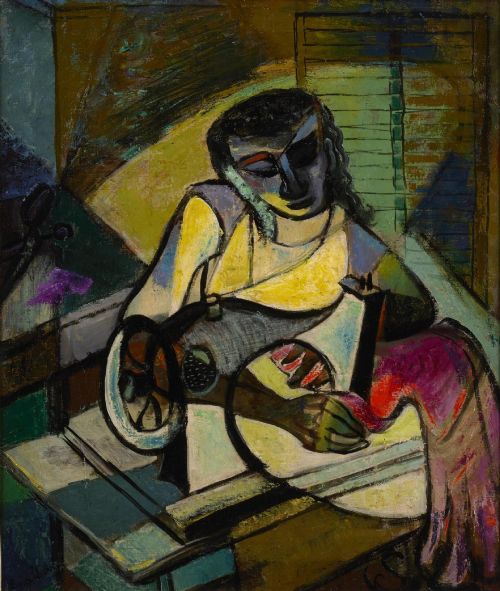
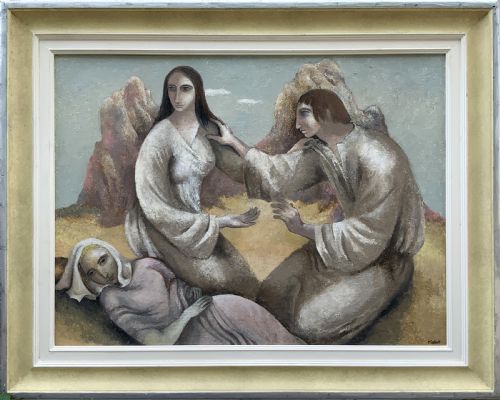
An expressionist figure painting delivers a psychological and emotional rendering of human subjects rather than a strict optical copy. When exploring expressionist figure painting on this page, buyers encounter works created across several decades of the twentieth century, with a strong representation from the nineteen-fifties and nineteen-sixties alongside earlier modernist examples.
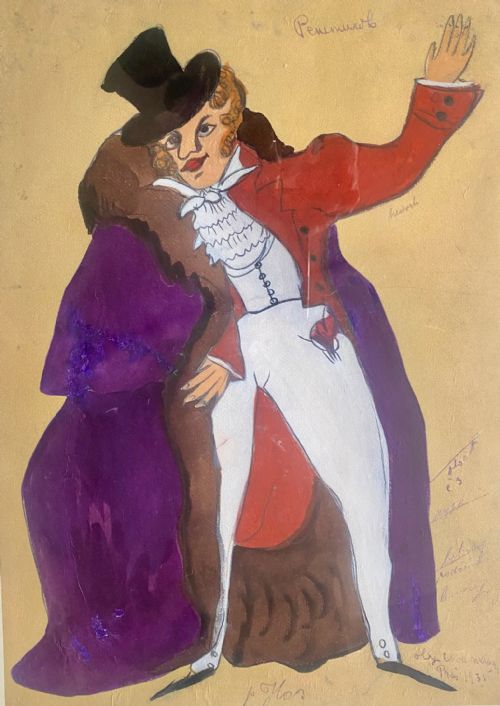
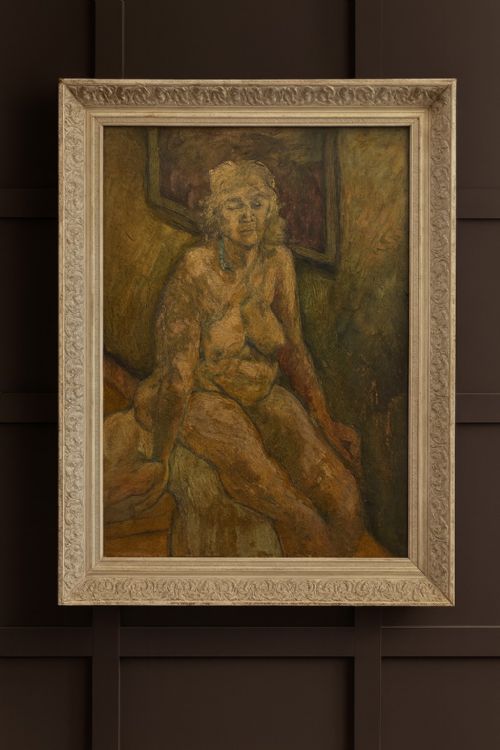
The inventory encompasses portraits, nudes, and seated studies executed by artists across Britain, France, Spain, and Sweden. Common formats include oil on canvas, oil on board, and works on paper using ink or gouache.
Makers range from named figures such as Peter Jackson and Raymond Arthur Roadnight to broader continental and British modernists. Pieces vary from intimate sketches to large, colourful canvases depicting figures, dancers, and domestic scenes.
Materials and Technique
Works in this category rely primarily on oil paint applied to canvas, wood board, or heavy paper. Artists utilise thick impasto techniques to build physical texture on the surface, giving skin tones and drapery a palpable weight.
Draftsmanship appears through ink and watercolour on paper, alongside gouache and acrylic applications. Some canvases show oil paint applied directly onto board supports during mid-century production.
The inventory spans the nineteen-twenties through to the nineteen-sixties, utilising canvas, wood, paper, and board supports.
Assessing the Work
Quality rests on the confidence of the brushwork and the strength of the composition rather than academic neatness. Successful pieces balance distortion with expressive colour harmony to create psychological resonance in the subject.
The handling of the medium distinguishes the output, where purposeful impasto and confident line work elevate a portrait or nude study. Weaker examples often rely on conventional proportions without the emotional intensity demanded by the style.
Lena Gurr·Christine Nesbit·Tony Giles·Gaetan Dumas·Peter Jackson·Jean Hippolyte Marchand·Pinchus Kremegne·Antonio Ferri·Yetta Kane·Kenneth B Malpass·Raymond Arthur Roadnight·Kees van Dongen·Bernard Meninsky·Markey Robinson
The Expressionist Figure Painting Glossary
- Impasto
- Paint applied thickly to a canvas or board, standing out in relief from the plane. This technique gives texture to brushstrokes and highlights the physicality of the medium.
- Chiaroscuro
- Strong contrast between light and dark within a composition. Artists use this method to model three-dimensional figures and create dramatic shadows.
- Avant-Garde
- Work that pushes boundaries and rejects established academic conventions. These pieces test new visual vocabularies in figure and portrait composition.
- Fauvism
- A style characterised by strong, non-naturalistic use of colour and simplified forms. Practitioners prioritise painterly qualities over realistic representation.
- Gouache
- An opaque water-based paint that dries to a matte finish. It allows artists to achieve flat areas of vibrant colour in works on paper.
Expressionist Figure Painting: Frequently Asked Questions
What defines an expressionist portrait?
An expressionist portrait subordinates photographic likeness to emotional impact through exaggerated colour and bold brushwork.
Artists prioritise the psychological state of the sitter over strict anatomical accuracy.
How should I care for oil paintings on canvas?
Keep paintings away from direct sunlight and steady humidity fluctuations to prevent canvas slackening and paint cracking.
Dust the surface gently with a soft, dry brush without applying pressure.
What is the difference between oil on canvas and oil on board?
Oil on canvas utilises a flexible woven support stretched over a wooden frame, offering slight give to the touch.
Oil on board applies the pigment to a rigid wooden or composite panel, which creates a completely firm painting surface.
How do I identify mid-century modernist works?
Mid-century modernist works from the nineteen-fifties and sixties often feature simplified forms, flattened perspective, and non-naturalistic palettes.
Signatures, framing materials, and backing boards frequently help confirm the period of execution.