




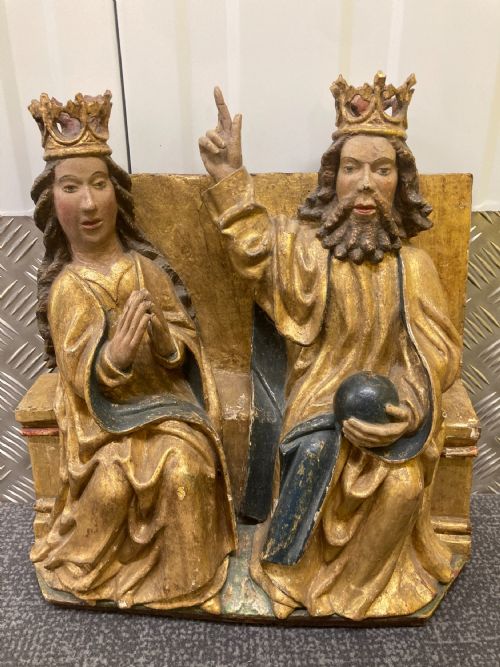


European Sculpture Art
European sculpture art brings centuries of craftsmanship into a room, offering tactile figures in wood, terracotta and porcelain that carry centuries of distinct religious and secular history.
European Sculpture Art
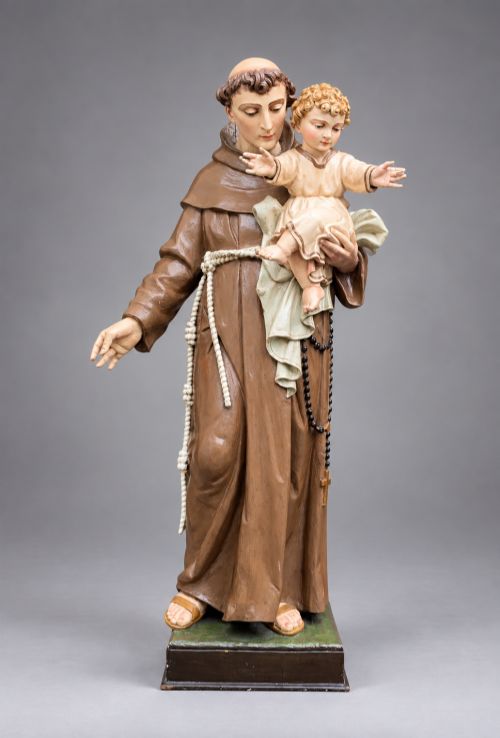
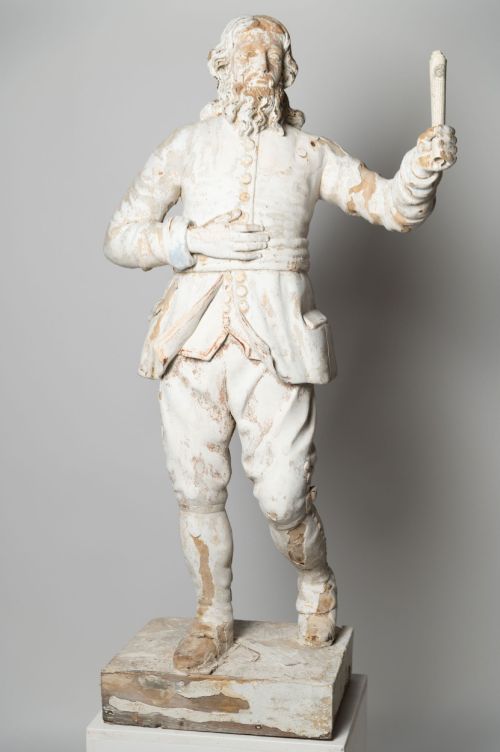
European sculpture art spans religious statues, folk carvings, and classical busts from periods ranging from the sixteenth century to the mid-twentieth century. The selection leans heavily towards carved wood and polychrome figures alongside pottery and porcelain works.
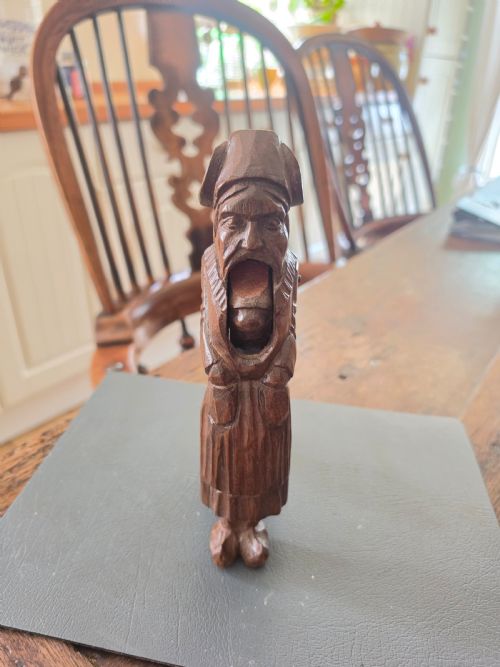
Religious figures form a substantial portion of these pieces, including depictions of saints, Christ, and biblical groupings from creators across various European regions. Alongside these sacred works, secular items such as nutcrackers, floor lamps, and decorative busts appear with regularity.
Materials and construction methods
Carved wood provides the primary medium for these sculptures, often enhanced with gesso and polychrome paint to add colour and detail to the surfaces. Oak, painted wood, and carved timber form the backbone of both religious icons and folk figures.
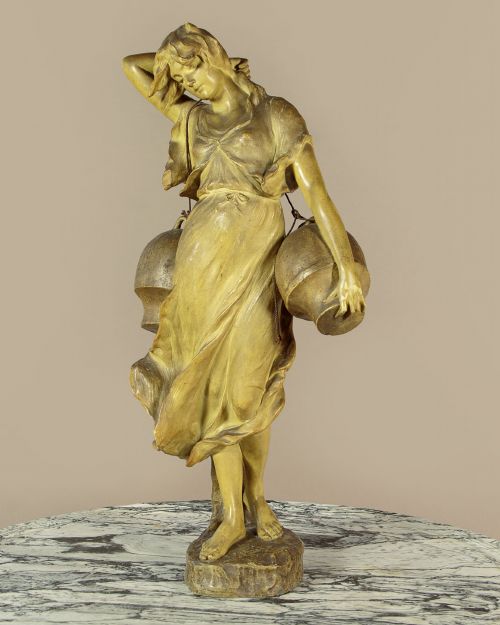
Terracotta, porcelain, and marble introduce mineral textures to the category, utilised by workshops and makers for busts and classical figures. Potters and sculptors applied glazes and pigments to ceramic bodies to achieve depth and realism.
European Sculpture Art Retail Price Guide 2026
Typical asking prices for european sculpture art among the pieces listed under this phrase on Sellingantiques today, from the lower quarter to the upper quarter. They describe what is for sale here now, not the wider market.
Listings feature items spanning the sixteenth century to the mid-twentieth century, highlighting carved wood, oak, terracotta, and porcelain.
Distinctions in quality
The preservation of original surface finishes, such as polychrome paint and gesso, dictates the visual impact of older wooden and terracotta sculptures. Pieces retaining their early or original pigments carry greater historic integrity than those with extensive modern repainting.
Goldscheider·Karl Tutter
The European Sculpture Art Glossary
- Polychrome
- Decorated in a variety of colours. This term frequently describes painted wooden or terracotta sculptures.
- Gesso
- A plaster mix applied to wood surfaces as a base for painting and gilding. It provides a smooth ground for fine detail work.
- Folk art
- Art produced from an indigenous cultural tradition or community craft perspective. These pieces often display unpretentious local materials and straightforward techniques.
- Terracotta
- Unglazed, fired red-clay ceramic. Sculptors use it for modelling figures and busts before or instead of casting in metal.
- Giltwood
- Wood that has been coated with gold leaf or a gold-coloured finish. It appears often on religious carvings from earlier periods.
European Sculpture Art: Frequently Asked Questions
How do I identify older wooden sculptures?
Examination of the tool marks, timber shrinkage, and the wear pattern on the gesso layer helps indicate age. Surfaces that show genuine patination and undisturbed pigment layers point towards earlier production periods.
Comparing the stylistic conventions of the carving with known regional traditions further assists in placing the piece within a specific century.
Where were these religious statues displayed?
Religious sculptures typically stood in domestic shrines, rural chapels, or churches across continental Europe. They served as focal points for personal devotion and communal worship.
Smaller figures often found places in private homes as protective or contemplative objects.
How should I care for polychrome wood?
Polychrome wood requires stable indoor humidity levels and protection from direct sunlight to prevent the paint from cracking and flaking. Dusting gently with a soft, dry brush preserves the fragile surface layers.
Avoid using liquid cleaners or oils on painted or gessoed wooden surfaces.
What defines European folk art sculptures?
Folk art sculptures are characterised by regional materials, direct carving methods, and a focus on local character rather than strict academic proportions. They often depict tradespeople, religious figures, or everyday inhabitants.
The naive or unpretentious execution reflects the hand of local artisans rather than academy-trained masters.