





European Genre Painting
European genre painting captures domestic scenes and daily life, offering buyers a vivid window into past societies through skilled oil on canvas and board.
European Genre Painting
When searching for european genre painting, buyers examine artworks depicting everyday moments, domestic interiors, and rural life. These pieces originate predominantly from the nineteenth century, including specific dates such as 1860, 1870, 1880, 1930, and 1920.
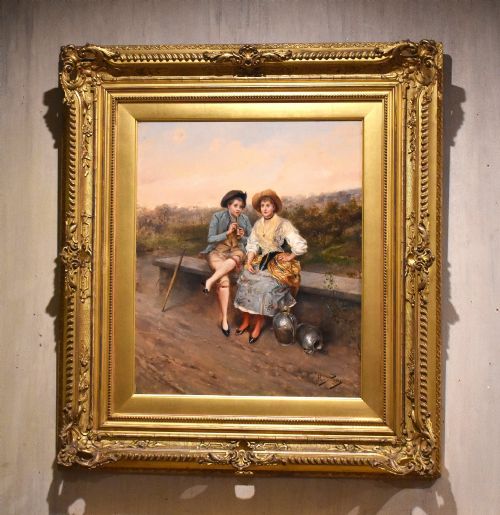
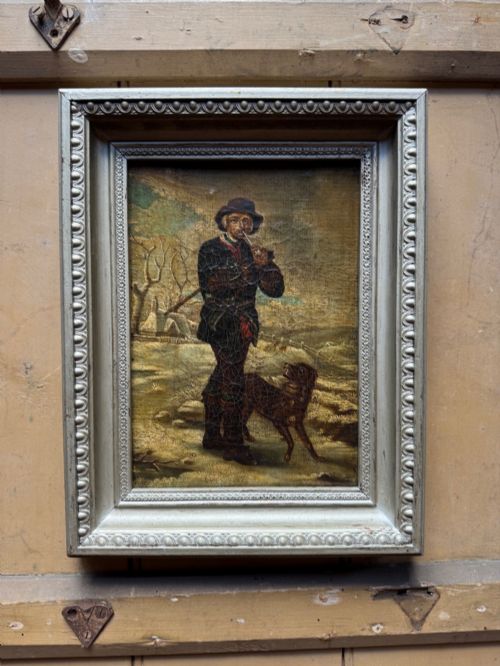
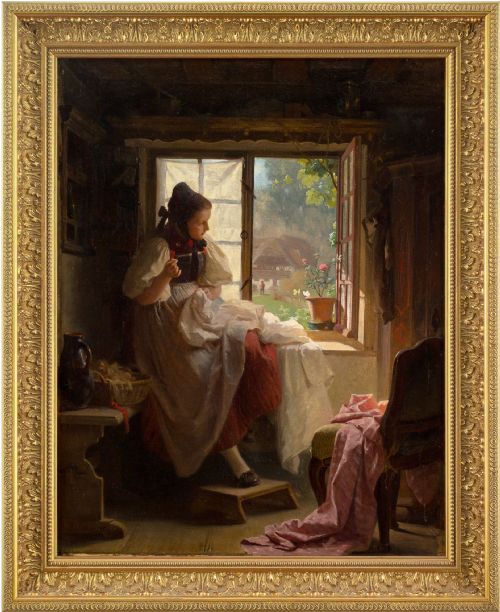
The selections on this page feature oil paintings executed on canvas, board, and tin, often housed within gilt wood frames enhanced by gesso and gold leaf. Formats range from single framed wall art to pairs of peasant scenes and decorative wall plaques.
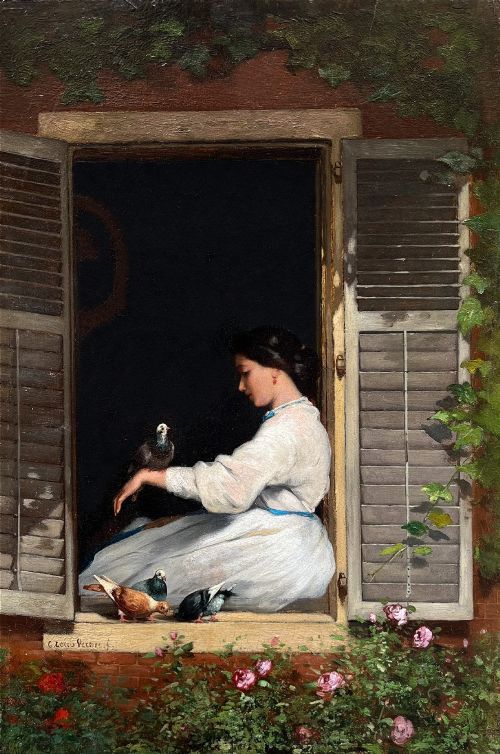
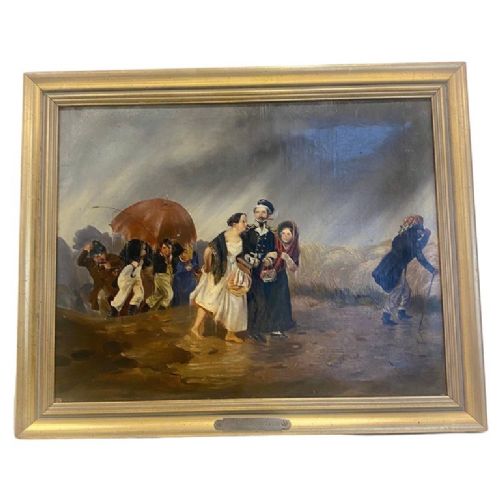
Subjects commonly involve figures engaged in domestic tasks, such as a girl sewing by a window, peasants near a vineyard, or a country marriage. Styles span nineteenth century realism, romanticism, academic work, and continental genre realism.
How they were made
Artists built european genre painting using oil paint applied to prepared canvas, wooden boards, or metal tin supports. The application of pigment relied on traditional brushwork to capture fine details in clothing, expressions, and interior light.
Frames play a structural and decorative role, constructed from wood and finished with gesso layers and gold leaf to create gilded borders. These surrounds protected the edges of the canvas and completed the presentation of the wall art.
European Genre Painting Retail Price Guide 2026
Typical asking prices for european genre painting among the pieces listed under this phrase on Sellingantiques today, from the lower quarter to the upper quarter. They describe what is for sale here now, not the wider market.
Represented subjects include domestic figures, peasant scenes, and Italian vineyard landscapes attributed to various nineteenth century continental painters.
What varies in quality
The refinement of brushwork and the expressive rendering of human figures distinguish superior examples from simpler decorative works. Artworks that capture nuanced facial expressions and natural light demonstrate greater technical accomplishment by the artist.
The preservation of the original oil paint surface and the condition of the gilt wood frame influence the overall integrity of the piece. Works retaining their original supports and authentic nineteenth century frames hold stronger material completeness.
Max Kaltenmoser·Louis Charles Verwee·R. Palnay·Hendricus Joseph Dillens·Karel Frans Philippeau·Joseph Emmanuel Weiser·Wilhelm Alexander Meyerheim
The European Genre Painting Glossary
- Genre painting
- Depiction of aspects of everyday life by depicting ordinary people engaged in common activities. These works focus on domestic scenes rather than grand historical or mythological subjects.
- Oil on canvas
- Pigment mixed with drying oil applied to a stretched cloth support. This combination provides a flexible and durable surface favored by nineteenth century painters.
- Gesso
- A paint mixture consisting of a binder mixed with chalk, gypsum, or pigment. It served as a prepared baseline layer on wooden frames before the application of gold leaf.
- Gilt wood
- Timber decorated with a thin layer of gold leaf or powder. It provided ornamental framing for nineteenth century fine art paintings.
- European School
- A broad designation for artists trained within continental artistic traditions. It groups works sharing regional academic standards without denoting a single unified academy.
European Genre Painting: Frequently Asked Questions
What is a european genre painting?
A european genre painting is an artwork depicting scenes from everyday life, such as domestic interiors, street scenes, or rural labour. These pieces focus on ordinary people rather than historical events or portraits.
Such works emerged strongly during the nineteenth century across various continental schools. They offer insight into historical domestic routines and social customs through oil on canvas or board.
Where were these paintings displayed?
These paintings were traditionally displayed in nineteenth century domestic interiors as decorative wall art. They suited the parlours and reception rooms of middle-class homes.
Today, they function similarly in modern interiors, hung as framed wall art or paired compositions. Their intimate subject matter makes them well-suited for living spaces and studies.
How do I identify the period?
Period identification relies on stylistic indicators, framing materials, and artist signatures documented in nineteenth century records. Works often reflect nineteenth century realism, romanticism, or academic conventions.
Physical evidence such as canvas weave, gesso preparation on frames, and support materials like board or tin help confirm the era of production. Documentation of known makers also assists in dating.
Are frames original to the art?
Many nineteenth century oil paintings retain their original gilt wood frames finished with gesso and gold leaf. These frames were designed specifically to complement the scale and style of the painting.
Examining the fit between the canvas and the rebate of the frame helps determine whether they have stayed together. Original frames contribute significantly to the historical integrity of the piece.
How should I care for them?
Care involves protecting the oil paint surface and the wooden frame from direct sunlight and excessive humidity fluctuations. Gentle dusting with a dry, soft cloth prevents particulate accumulation.
Avoiding harsh cleaning agents on both the canvas and the gilt wood preserves the original materials. Professional conservation is recommended for any structural repairs to the canvas or frame.