
Figure Portrait Canvas
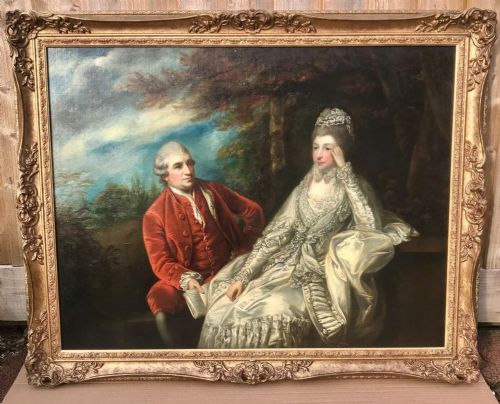
A figure portrait canvas captures likeness and character across centuries, ranging from seventeenth-century nobility to mid-century modern studies.
Figure Portrait Canvas
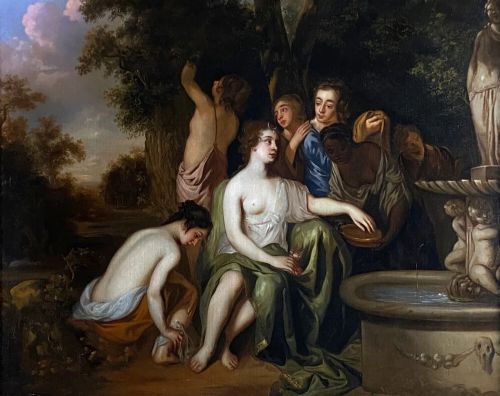
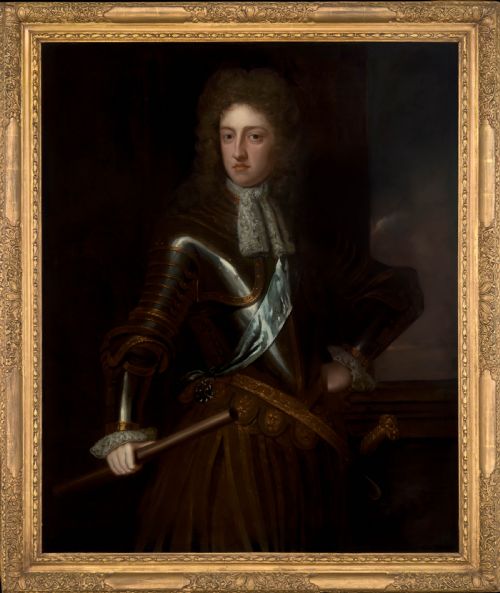
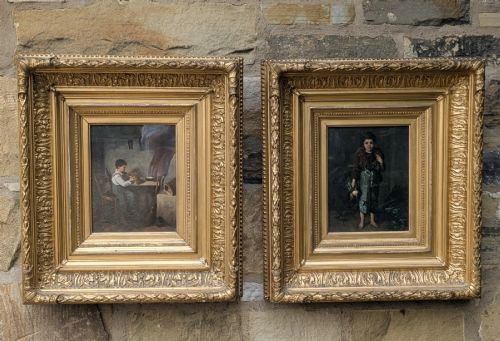
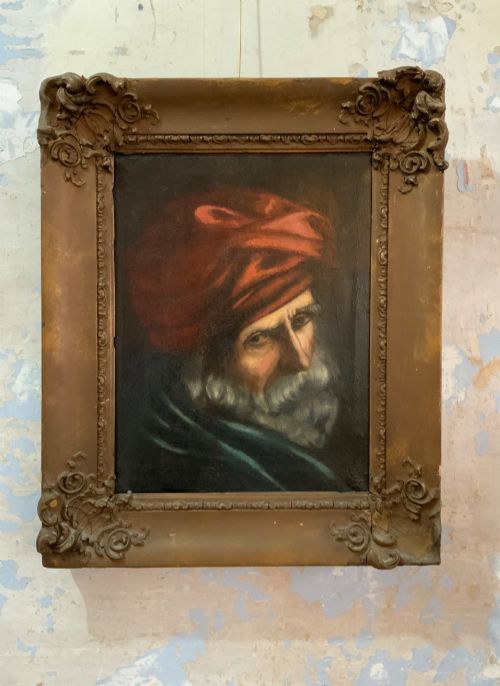
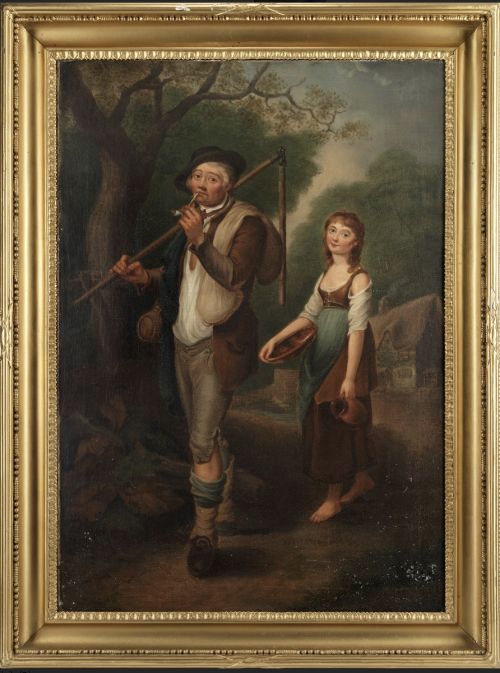
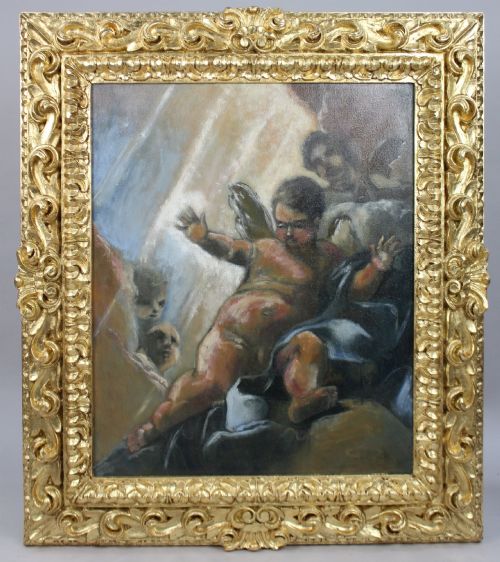
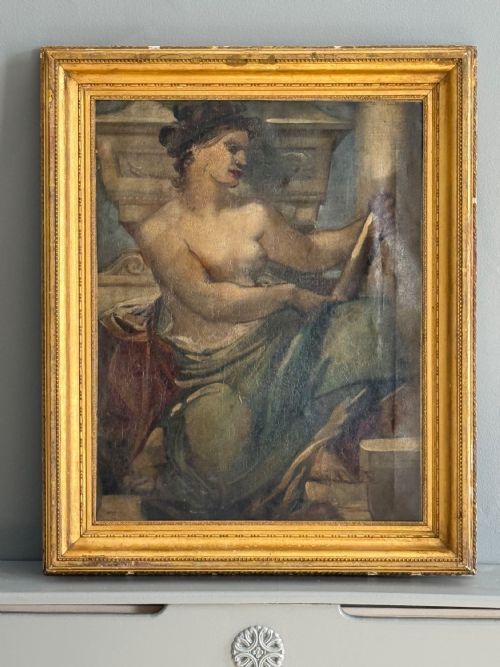
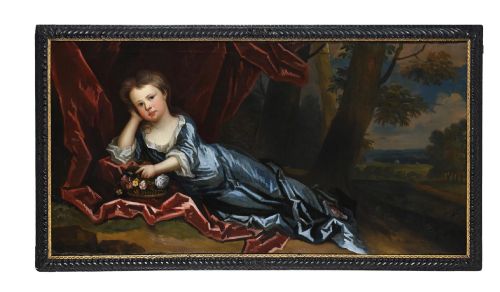
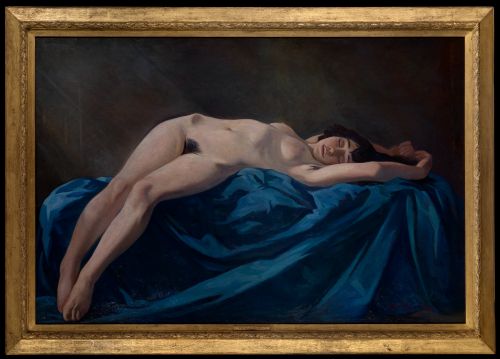
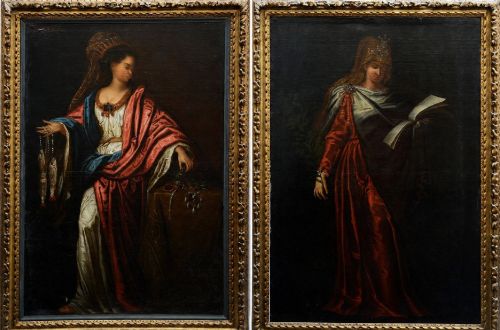
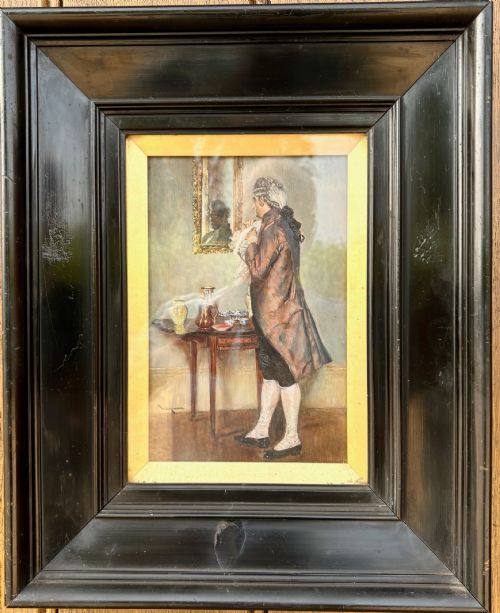
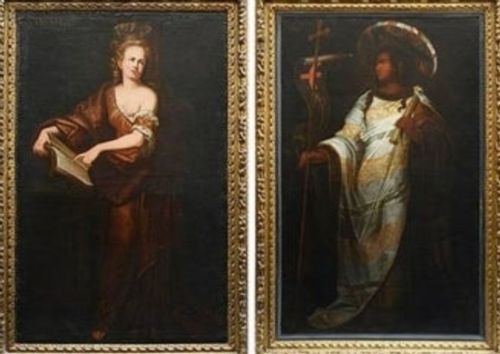
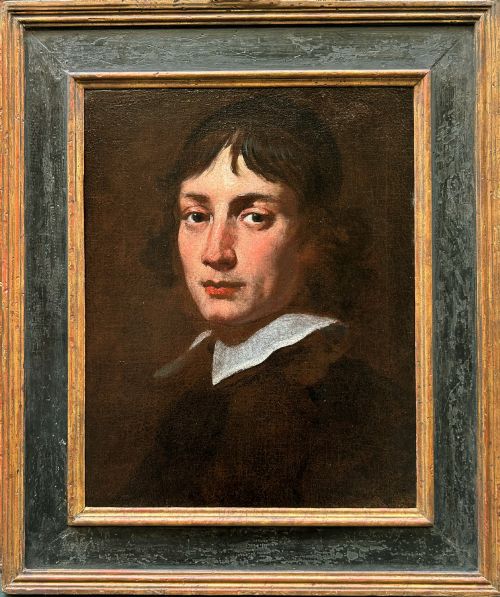
When you search for a figure portrait canvas, you encounter painted representations of individuals and groups executed primarily in oil paint on woven fabric supports. The selections span from seventeenth-century classical mythologies and aristocratic likenesses to twentieth-century nudes and everyday characters.
Most examples originate from British, French, Italian, and Dutch schools, moving through Georgian, Victorian, and modernist periods. Forms range from intimate bust-length studies to large compositions set within carved wooden frames.
How they were made
Makers applied oil paint directly onto stretched canvas, often mounted on wooden stretchers and housed within giltwood or plain wooden frames. Pigments were built up in layers to achieve depth in skin tones, drapery, and background shadows.
Substrates vary from traditional woven canvas to occasional oil on board supports, accompanied by decorative framing elements that range from simple mouldings to heavy nineteenth-century revival gilt work.
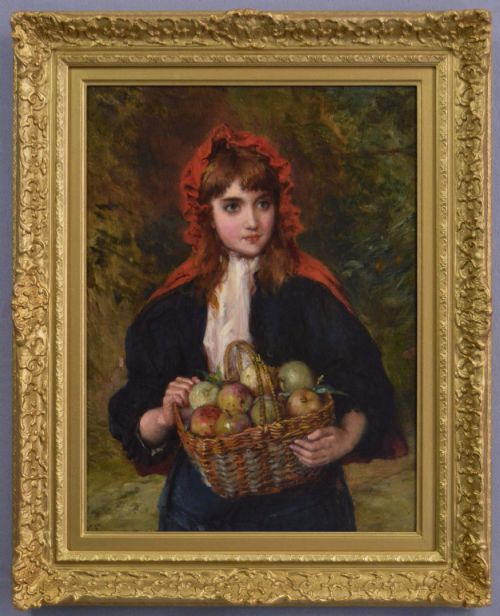
Some sitters gaze past the viewer with painted apples, musket-wielding confidence, or quiet repose.
What varies in quality
Quality rests in the anatomical precision of the hands and face, the handling of light across fabric and skin, and the confidence of the brushwork. Master painters captured psychological depth and individual expression, whereas lesser studio copies rely on stiff posture and repetitive formulae.
The integrity of the original canvas support, the stability of the paint layer, and the appropriateness of the period frame also influence the standing of an individual piece.
William Oliver·Sir Peter Lely·Sir Godfrey Kneller·Joshua Reynolds·Thomas Barker of Bath·Charles D'Agar·Eric Robertson·Guillaume Courtois·Stephen Pearce·Lena Gurr·Winifred Rymer·Thomas Spinks·Philippe de Rougemont·Jean-Baptiste Greuze·Ronald Ossory Dunlop·Frans Hals·Godfried Schalcken·Theodore Jensen·John A Monteith·Thomas Hicks·Tony Giles·Ferdinand Victor Leon Roybet·Alexandre-Louis Martin·Gaetan Dumas·John Watkins Chapman
The Figure Portrait Canvas Glossary
- Canvas
- A heavy woven fabric, typically linen or cotton, used as a support for oil paintings. It is stretched over a wooden frame before being painted upon.
- Giltwood
- Wood that has been coated with a thin layer of gold leaf or gilt powder. This finish is frequently found on antique picture frames.
- Oil Paint
- A slow-drying paint made by combining pigment particles with a drying oil, most commonly linseed oil. It allows for smooth blending and rich tonal depth.
- Renaissance Revival
- A nineteenth-century architectural and artistic style that drew inspiration from the art and forms of the fifteenth and sixteenth-century Renaissance.
- Studio Sample
- A preliminary work or demonstration piece produced within an artist's workshop to test compositions, lighting, or techniques.
Figure Portrait Canvas: Frequently Asked Questions
How do I hang a heavy oil painting safely?
Ensure your wall fixings are secured directly into masonry or wooden wall studs rather than relying solely on plasterboard. Use sturdy picture wire or brass D-rings attached firmly to the wooden stretcher frame.
Check the weight distribution of the frame before lifting the piece into place. A second pair of hands helps align larger nineteenth-century canvases safely.
How do I identify the period of a portrait?
Clothing styles, hairstyles, and facial hair offer the most immediate clues to the decade in which the sitter was painted. sitter attire often reflects the prevailing fashions of Georgian, Victorian, or Edwardian eras.
Stretcher construction, canvas type, and framing materials provide secondary evidence. Nails, wedges, and stamps on the reverse can help narrow down the date of manufacture.
What is the difference between an original and a studio copy?
An original portrait was painted directly from life by the named artist, capturing unique personal characteristics. Brushwork tends to be spontaneous and confident during direct observation.
Studio copies or works after an artist were often produced by pupils or followers replicating a popular composition. These examples can show stiffer lines and more mechanical blending of pigments.