
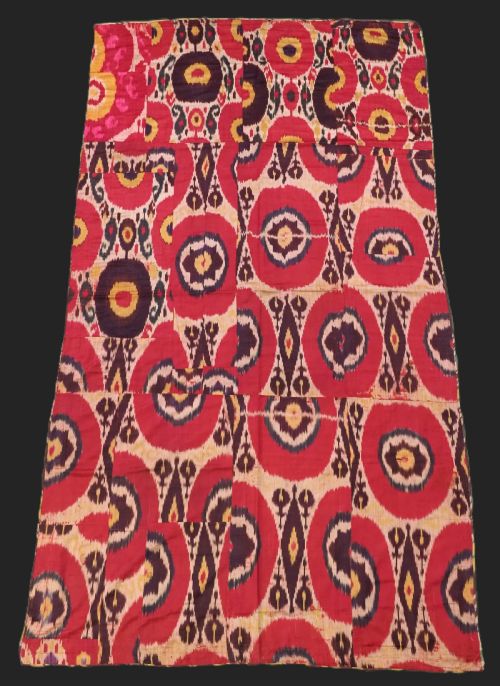


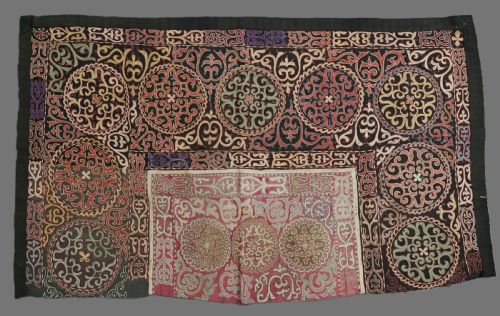


Ethnic Central Asian Embroidery
Ethnic central asian embroidery brings vibrant tribal textiles into modern interiors, offering centuries of nomadic artistry and rich silk needlework.
Ethnic Central Asian Embroidery
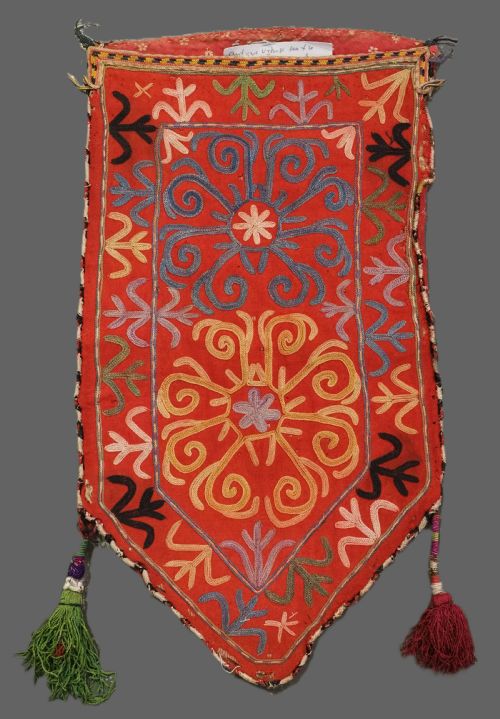
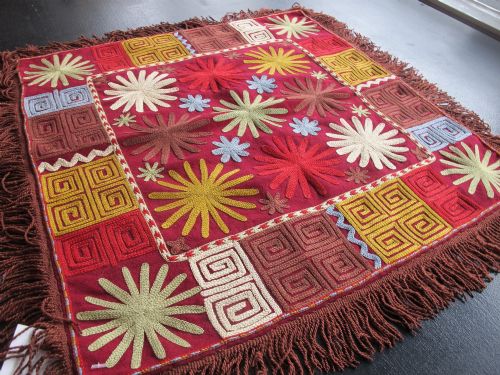
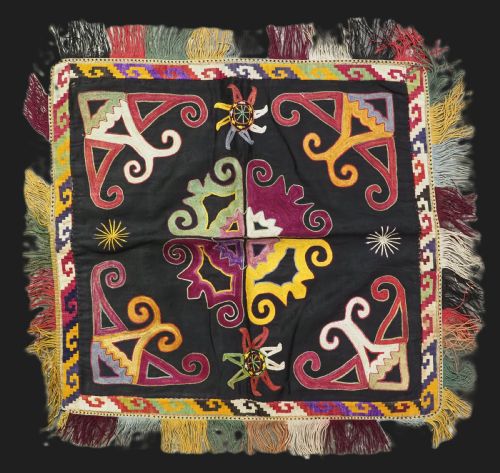
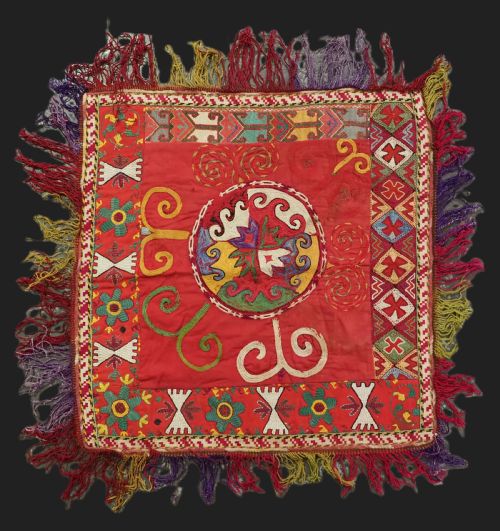
Ethnic central asian embroidery encompasses wall hangings, ceremonial garments, and domestic panels originating from nineteenth and early twentieth-century nomadic and settled communities. You encounter Suzani wall hangings, Lakai tribal ilgich panels, and Turkmen chyrpy coats across this selection.
The most common pieces on this page are Uzbek Lakai tribe embroideries and Suzanis dating from the eighteen eighties to the nineteen twenties. These items served functional roles in tribal life, functioning as dowry pieces, yurt decorations, and horse covers.
Makers utilised specific regional formats, including prayer designs and half-size nim suzanis, reflecting local traditions across Shakrisabz, Tashkent, and Bokhara. Each format carries distinct motifs passed through generations of artisans.
Materials and construction
Craftspeople worked primarily with silk thread, cotton grounds, and wool, combining supportive woven fabrics with dense needlework. Silk thread provides the luminous sheen characteristic of nineteenth-century Suzanis and ceremonial coats.
Stitching techniques vary from the fine tambour work found on Lakai ilgich pieces to the expansive silk embroidery covering yellow cotton grounds in Bokhara and Tashkent suzanis. Artisans structured compositions around geometric tribal patterns and floral motifs.
Current listings feature pieces spanning from eighteen fifty to nineteen thirty, utilising cotton, silk, wool, and silk thread across Uzbekistan, Kyrgyzstan, and Turkmenistan.
Assessing quality and execution
The density of the needlework and the complexity of the silk thread colour palette determine the visual impact of an embroidered textile. Superior examples display precise tension, intricate geometric layering, and well-balanced compositions across the entire cotton or wool ground.
Condition and completeness separate standard domestic panels from exceptional ceremonial pieces like full work suzanis and chyrpy coats. The integrity of the original foundation fabric and the vibrancy of the surviving silk threads dictate the longevity and historical significance of the textile.
The Ethnic Central Asian Embroidery Glossary
- Suzani
- A large embroidered wall hanging created in Uzbekistan and surrounding regions, typically worked in silk thread on a cotton or linen ground. These textiles formed essential parts of a bride's dowry.
- Ilgich
- A small embroidered hanging or utility bag made by the Lakai tribe, often featuring dynamic geometric and figurative motifs. They served decorative and storage functions within traditional dwellings.
- Chyrpy
- A ceremonial ladies coat heavily embroidered in silk, worn by Turkmen women as a status garment. The sleeves at the back are often non-functional and purely decorative.
- Tush kyiz
- A large embroidered yurt wall hanging traditionally made by Kyrgyz women to celebrate the marriage of a son or daughter. They are densely worked with floral and symbolic ornamentation.
- Torba
- A small storage bag or hanging produced by nomadic groups in Central Asia, utilised for household storage and interior decoration. These pieces display concentrated tribal weaving and embroidery.
Ethnic Central Asian Embroidery: Frequently Asked Questions
How were these embroideries used originally?
Nomadic and settled communities utilised these textiles as dowry items, interior wall decorations for yurts and houses, and ceremonial garments for weddings. Pieces like horse covers and bed decorations fulfilled specific ritual roles within tribal life.
Families displayed large suzanis and wall hangings to mark social standing and bring auspicious symbols into the domestic space.
How do I hang a textile safely?
Mounting a textile requires distributing the weight evenly across the entire top edge rather than suspending it from a few isolated points. A professional conservator can attach a cotton sleeve to the back for a supporting baton.
Keep mounted pieces away from direct sunlight and strong artificial lighting to protect natural silk and cotton dyes from fading over time.
How do I distinguish regional styles?
Lakai tribal embroideries from Uzbekistan feature bold, geometric applique and tambour work in saturated colours, often associated with Shakrisabz. Suzanis from Bokhara and Tashkent display large-scale floral arrangements and open yellow cotton grounds.
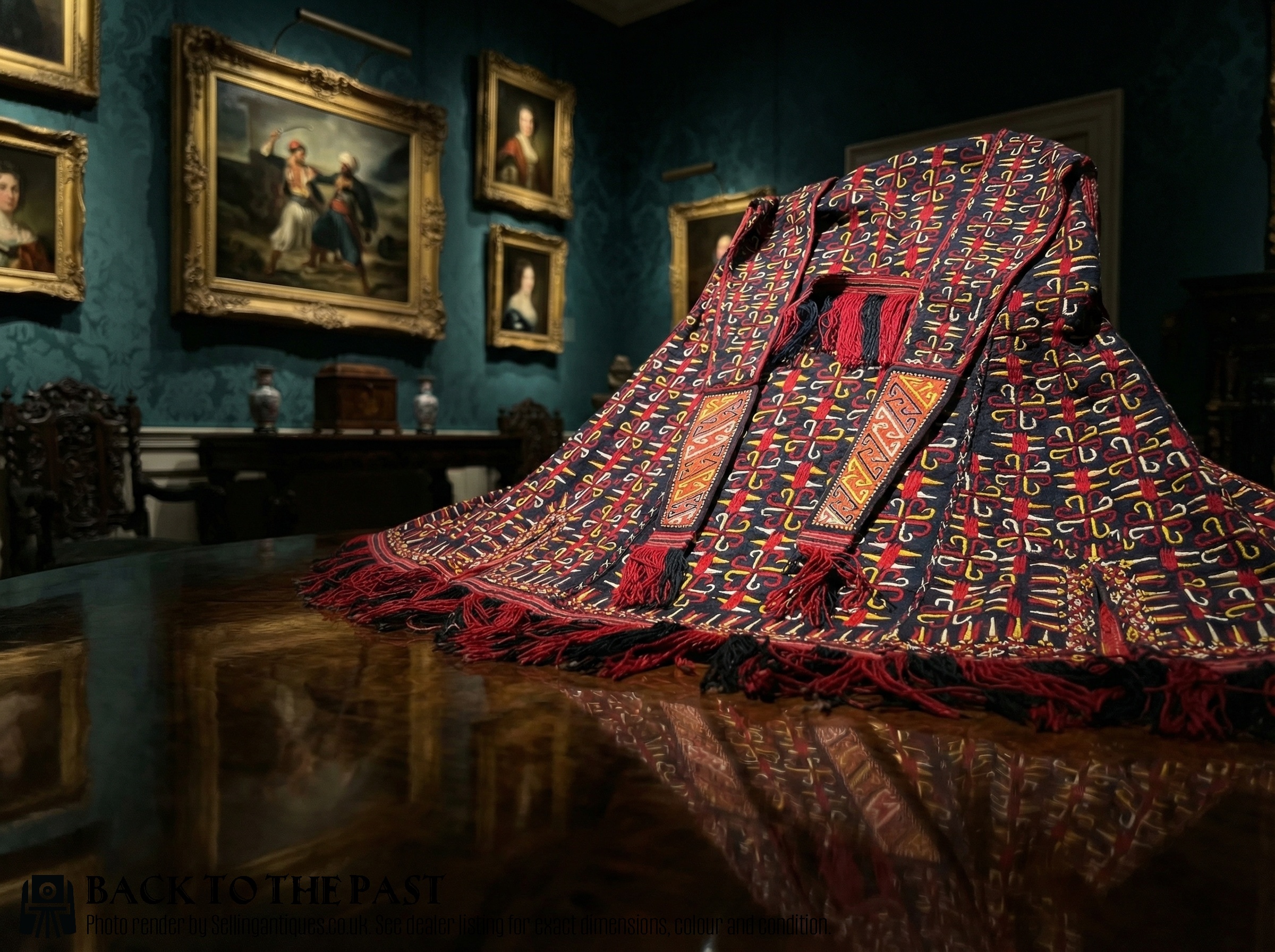
Turkmen chyrpy coats are identified by their dark wool or silk ground and dense yellow and orange geometric embroidery patterns around the collar and shoulders.
How do I clean antique embroidery?
Antique Central Asian textiles require specialist professional conservation cleaning rather than domestic laundering. Water and standard detergents can destabilise natural dye compounds and shrink old cotton or wool foundations.
Surface dust can be gently removed with low-suction vacuum equipment applied through a protective mesh screen.