





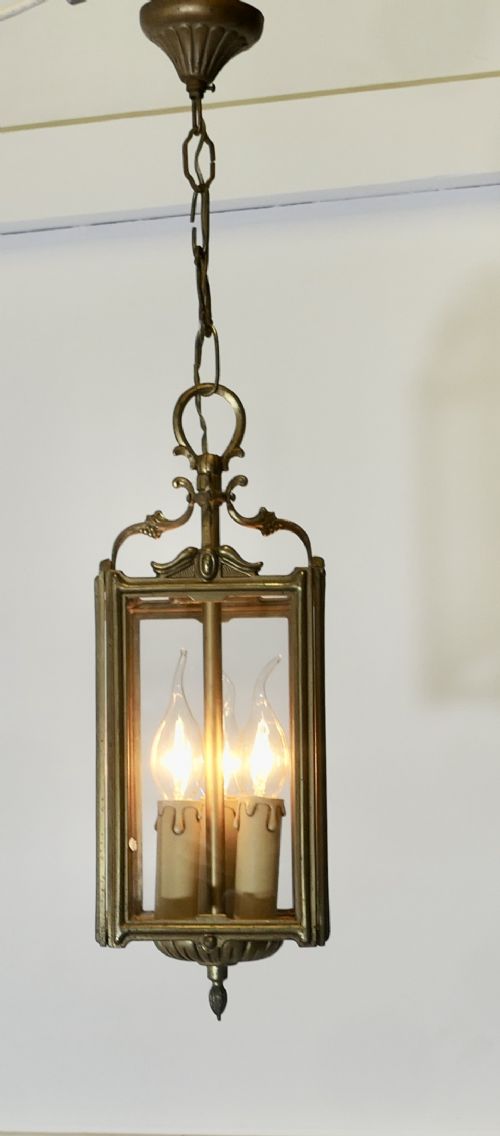


Etched Glass Chandelier
An etched glass chandelier brings soft diffusion and layered refraction to a room, catching daylight and lamplight alike.
Etched Glass Chandelier
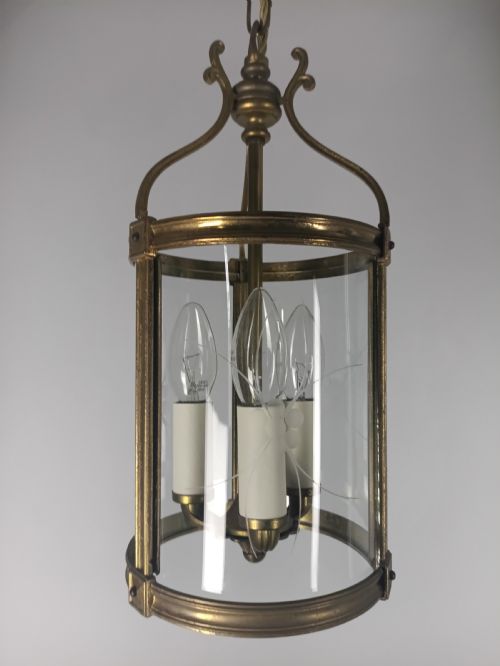
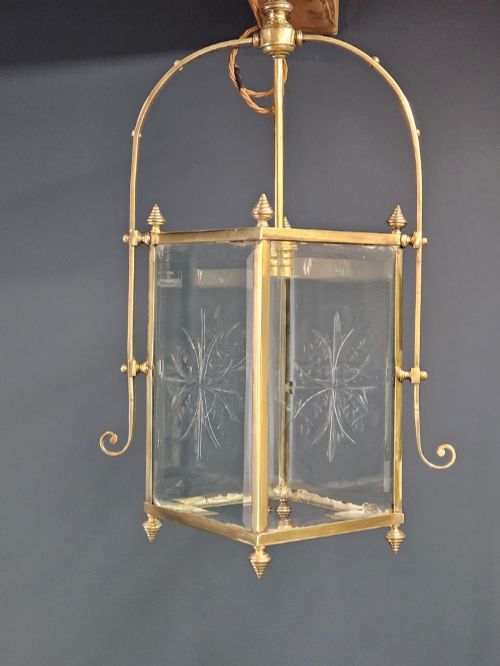
An etched glass chandelier is a ceiling-suspended lighting fixture defined by glass panels or shades carrying acid-etched, wheel-cut, or frosted surface decoration. When searching for an etched glass chandelier, buyers encounter forms ranging from single-light hall lanterns to multi-armed bowl chandeliers and pendant lights.
The selections available span periods from the eighteenth century through the Victorian, Edwardian, and Art Deco eras, with French lantern styles and Dutch brass arm configurations appearing frequently. These pieces function as architectural focal points in hallways, reception rooms, and high-ceilinged spaces.
Materials and construction
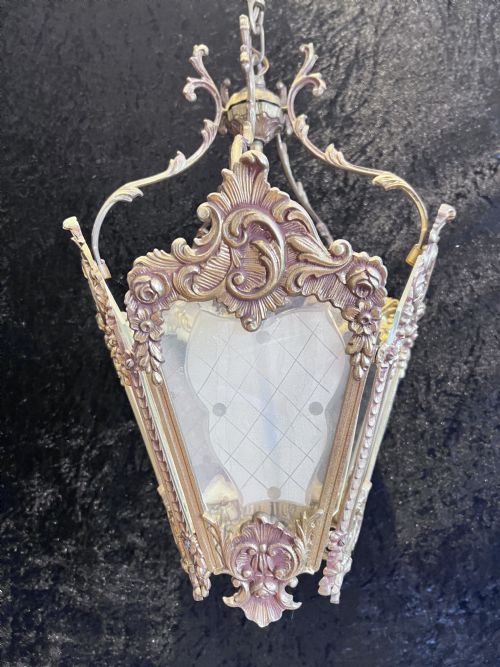
Makers built these fixtures using brass, gilt bronze, and gilt brass frameworks to support panes of glass, crystal, or cut glass. Metal mounts often display cast rococo scrolls, geometric art deco lines, or Gothic tracery.
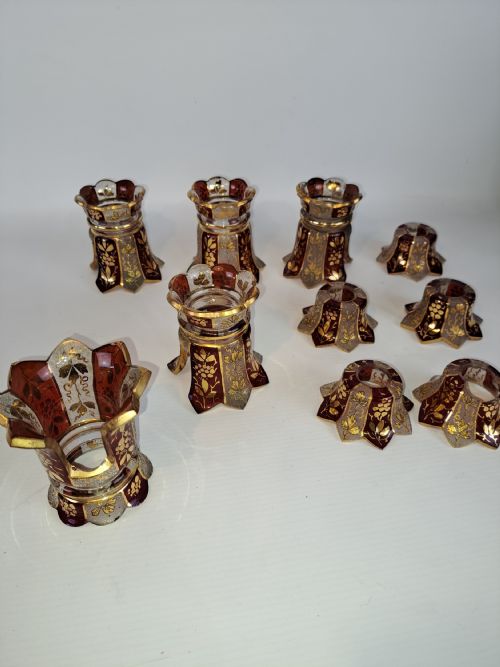
The glass elements themselves combine clear blown sections with frosted or acid-etched motifs, sometimes enhanced with gold leaf, ruby staining, or gilding. Components like capitals and panels are secured within metal frames by pins, flanges, or delicate bezels.
Periods represented across the available inventory include the eighteenth century, nineteenth century, Victorian, Edwardian, nineteen-twenty, and nineteen-thirty.
Distinctions in quality
Quality reveals itself in the crispness of the metal casting and the depth of the glass etching. Finer pieces demonstrate meticulous hand-chasing on the brass or gilt bronze mounts alongside intricate, deeply carved or acid-bitten surface patterns on the glass panels.
Structural integrity also separates standard examples from exceptional ones, particularly the weight of the metal frame and the clarity of the crystal or glass components. Original gilding, uncompromised soldered joints, and complete matching glass capitals denote superior execution.
The Etched Glass Chandelier Glossary
- Etched glass
- Glass treated with acid or abrasives to create opaque, decorative surface designs. This technique softens light output while introducing intricate patterns to panels and shades.
- Gilt brass
- Brass treated with a thin layer of gold or gold-coloured metallic finish. It provides a warm, reflective surface for lantern frames and chandelier mounts.
- Hall lantern
- A ceiling-suspended lighting fixture enclosed in glass panels, historically designed to illuminate entryways and corridors. They often feature hinged access doors and decorative metal crowns.
- Capital
- An ornamental head or upper component of a column, pilaster, or lighting fixture segment. In these listings, capitals appear in ruby glass and etched gilt configurations.
- Pendant light
- A single light fixture suspended from the ceiling by a chain, cord, or rod. These pieces focus illumination downwards while contributing decorative presence to a space.
Etched Glass Chandelier: Frequently Asked Questions
How do I clean an etched glass chandelier?
Remove delicate glass panels and components from the metal frame whenever possible to clean them individually with a mild soap solution and a soft cloth. Avoid harsh chemical cleaners that might damage historical gilt finishes or gold leaf details on the glass.
Dust the brass or bronze framework gently with a dry brush or microfiber cloth. Ensure all parts are completely dry before reassembling the fixture.
Were these chandeliers originally wired for electricity?
Many of the earlier examples across the Victorian and Edwardian periods began life as candle or oil-burning fixtures before undergoing later conversion to electricity. Hall lanterns and chandeliers from the late nineteenth century frequently retain evidence of their original fuel sources.
Twentieth-century pieces from the Art Deco period and nineteen-thirty onwards were more commonly designed with electrical wiring in mind from creation. Professional rewiring is standard practice to meet modern safety standards when installing antique lighting.
How do I date an etched glass chandelier?
Examine the metalworking techniques, frame styles, and fastening methods to establish an approximate period. Rococo Revival pieces and heavy cast brass frames typically point towards the nineteenth century, whereas cleaner geometric lines suggest Art Deco influences.
Glass coloration and etching styles offer further clues, with ruby glass and specific floral or angelic motifs aligning with eighteenth and nineteenth-century traditions. Comparing the construction to documented examples from eras like the Edwardian period helps narrow the timeframe.