
Equestrian Art Oil Painting
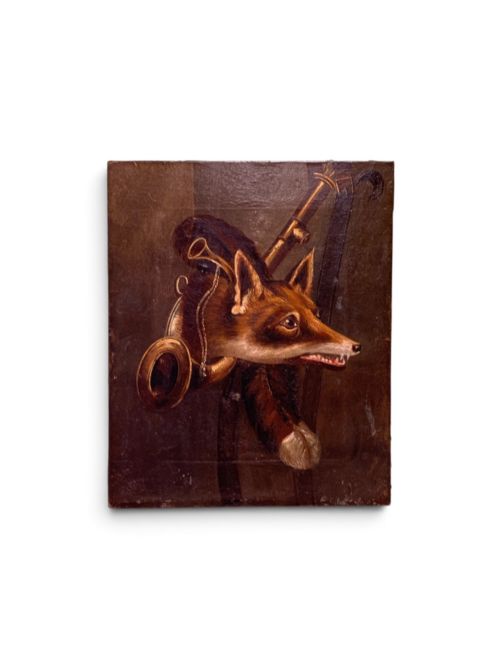
When you search for an equestrian art oil painting, you find centuries of equine portraiture and sporting scenes rendered in oil on canvas.
Equestrian Art Oil Painting
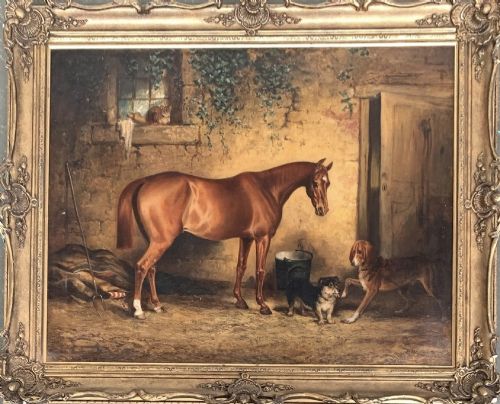
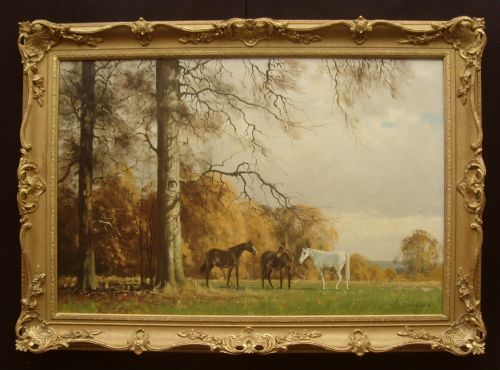
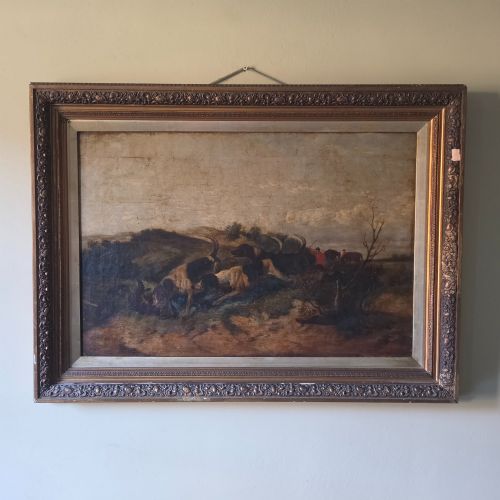
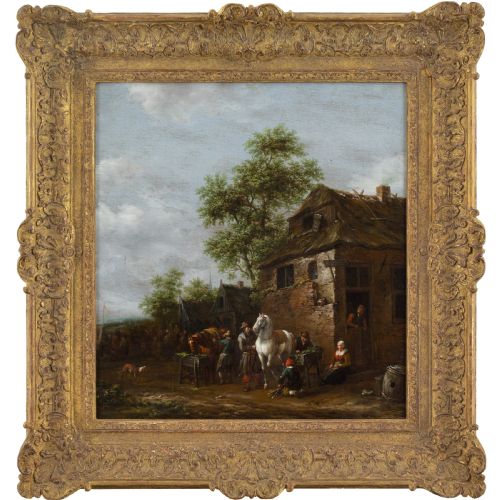
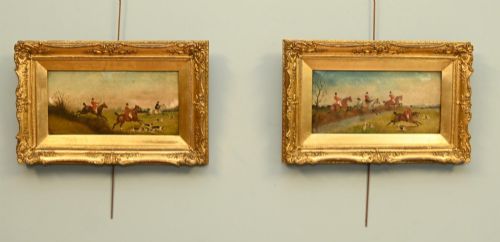
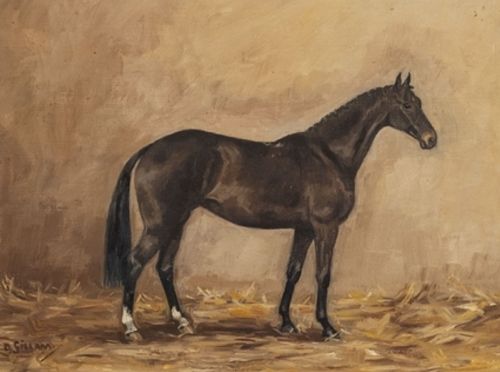
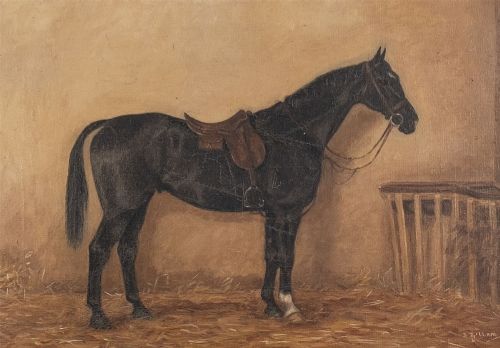
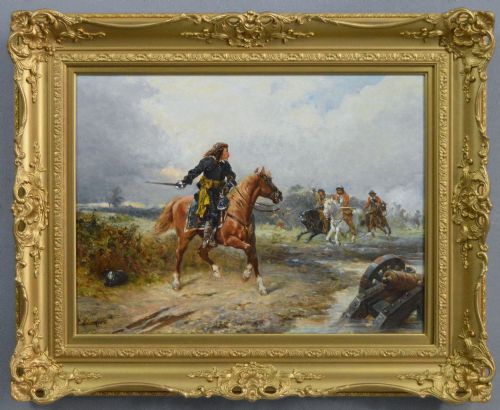
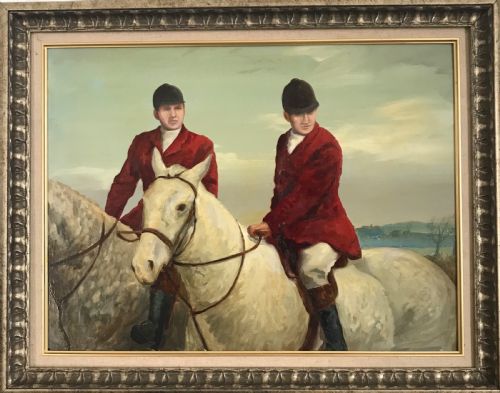
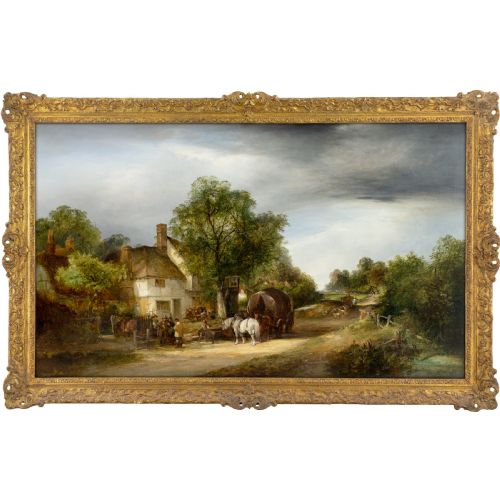
An equestrian art oil painting captures horses, riders, hunting scenes, and racing subjects across periods from the seventeenth century through to the mid-twentieth century. These works range from intimate horse portraits in stables to dramatic hunting landscapes and racing winners.
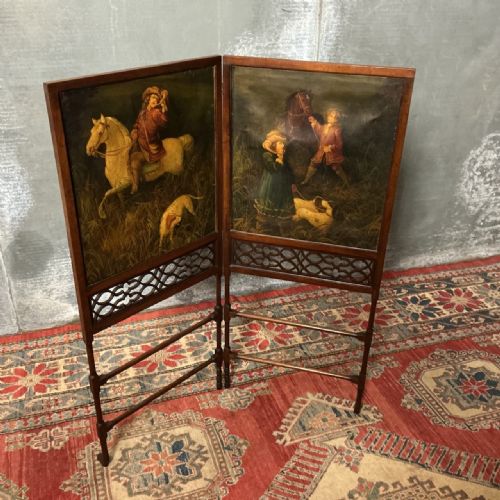
The selections available here lean heavily into Victorian and Edwardian sporting art, alongside pieces from the eighteenth and mid-twentieth centuries. Buyers encounter framed canvas works, panel paintings, and occasional decorative settings incorporating oil works.
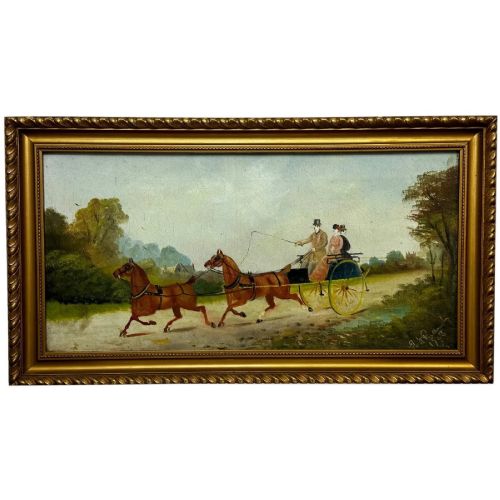
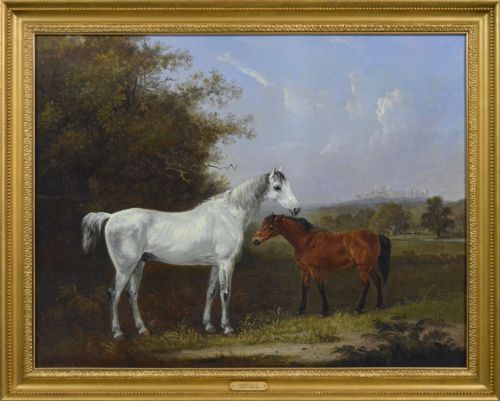
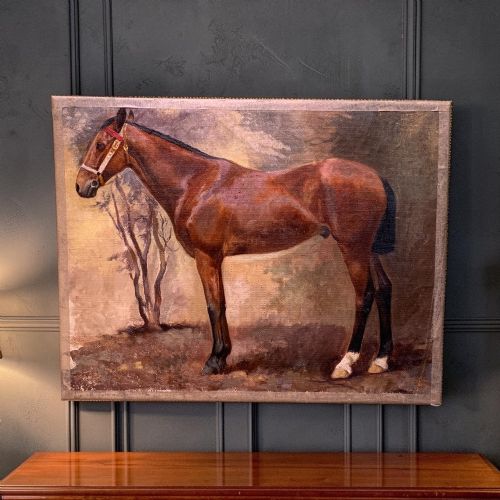
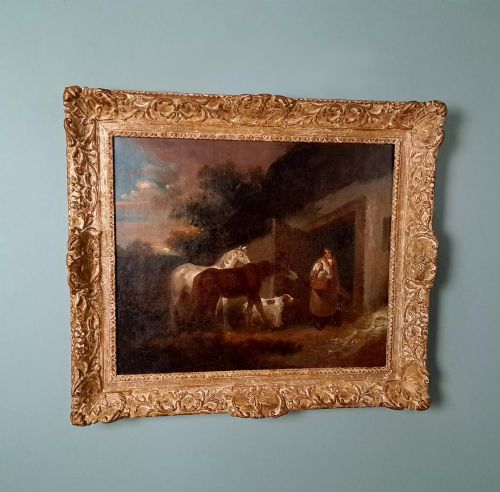
Subjects include named racehorses, hunters, coaching scenes, and romantic depictions of horses in landscapes. Painters record these animals with specific attention to breed conformation, equine anatomy, and the atmosphere of the stable or the racecourse.
How they were made
Artists painted primarily in oil paint upon stretched canvas or wooden panels, utilising pigments built up in thin glazes and opaque strokes to render the sheen of horse coats and the texture of landscape backgrounds.
Frames form an integral part of these works, frequently constructed from wood and finished in gilt, giltwood, or swept ornamentation that reflects nineteenth-century and Edwardian framing traditions.
Styles represented include British Sporting Art, Victorian realism, and French school panel painting.
What varies in quality
The anatomical accuracy of the horse and the ability of the hand to capture movement separate accomplished equine portraiture from stiffer, formulaic representations. Painters who understood bone structure and muscle tone achieved convincing weight and vitality.
The handling of the background landscape and the integration of the animal within its environment distinguish finer canvases, where light and atmosphere support the central subject rather than serving as a generic backdrop.
William Joseph Shayer Senior·Thomas Smythe·Albert Clark·Sir Edwin Henry Landseer·George Wright·Abraham Cooper·Henry Barraud·Fred Fitzpatrick·Ernest Payne·Edward Priestley·Vernon DeBeauvoir Ward·John Alfred Wheeler·Philip Rideout·Thomas Walker Bretland·George Morland
The Equestrian Art Oil Painting Glossary
- Canvas
- A heavy woven fabric stretched across a wooden frame to form the foundational surface for oil paintings.
- Giltwood
- Wood carved and coated with a thin layer of gold leaf or metallic gilt, commonly seen on period picture frames.
- Oil Paint
- A slow-drying paint made by mixing pigments with oils, such as linseed oil, allowing for subtle blending and rich colour depths.
- Equine Portrait
- A painting dedicated specifically to recording the likeness, conformation, and identity of an individual horse.
Equestrian Art Oil Painting: Frequently Asked Questions
How do I identify the date of an equestrian painting?
Dates often emerge from the style of clothing worn by riders, the cut of the frame, and signatures or inscriptions recorded on the canvas or stretcher bars.
Comparative study of nineteenth-century and Edwardian sporting art helps narrow the decade in which the work was produced.
Are most of these paintings signed by the artist?
Some pieces bear clear signatures, monograms, or studio inscriptions, while many historical works remain unattributed or assigned to a specific circle or follower.
Attributions rely on brushwork style, subject matter, and recorded provenance rather than guaranteed signatures.
How should I care for an antique oil painting?
Keep paintings away from direct sunlight, high humidity, and rapid temperature fluctuations that can cause canvas slackening or paint cracking.
Dust surfaces gently with a soft, dry brush and avoid chemical cleaning agents entirely.
What subjects are most common in equine art?
Common subjects include named racehorses, hunting dogs alongside hunters, coaching scenes, and stable portraits reflecting rural British sporting life.
Artists frequently recorded prized animals for landowners and estate owners who wished to document their studs.