

Equestrian and Sporting Painting
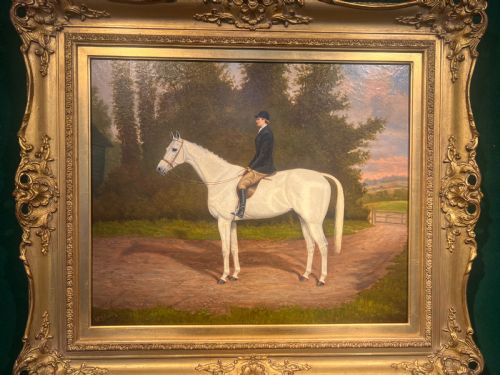
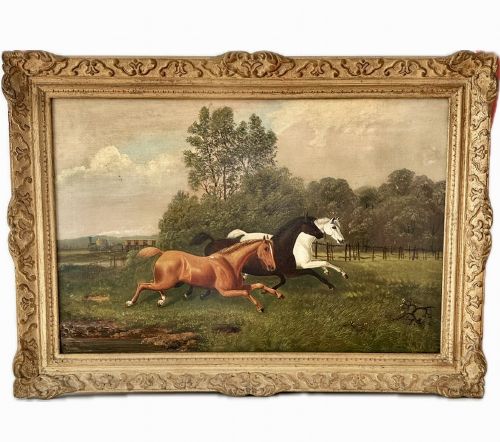
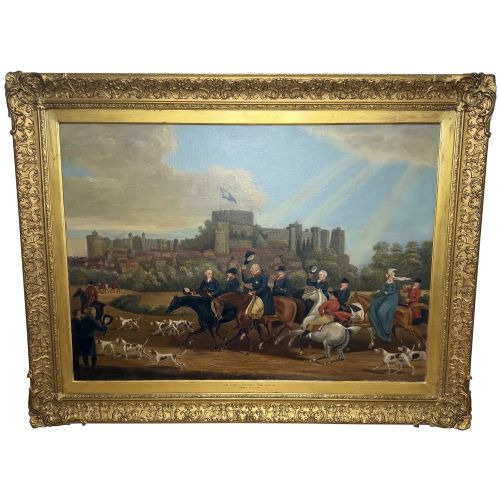
An equestrian and sporting painting captures the vigour of the hunt, the paddock and the open turf through decades of British tradition.
Equestrian and Sporting Painting
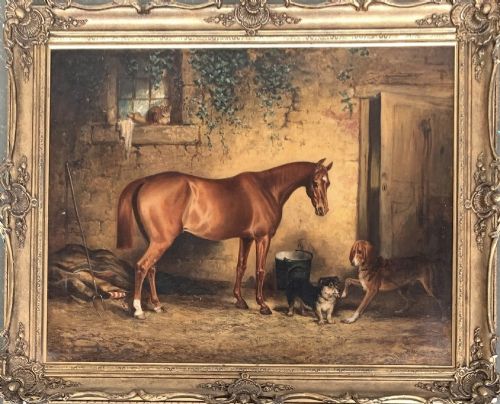
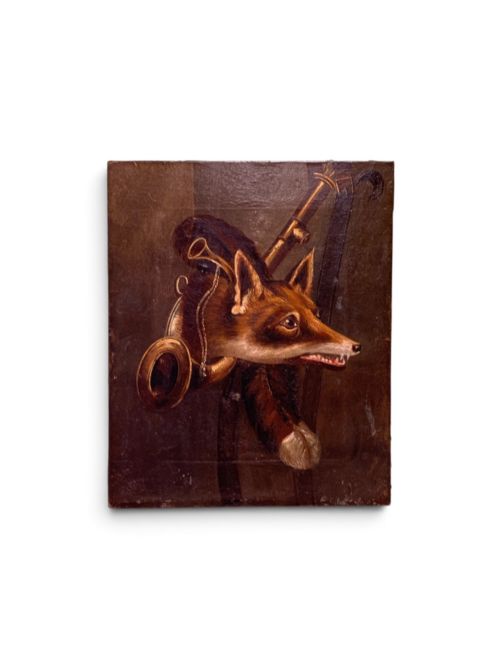
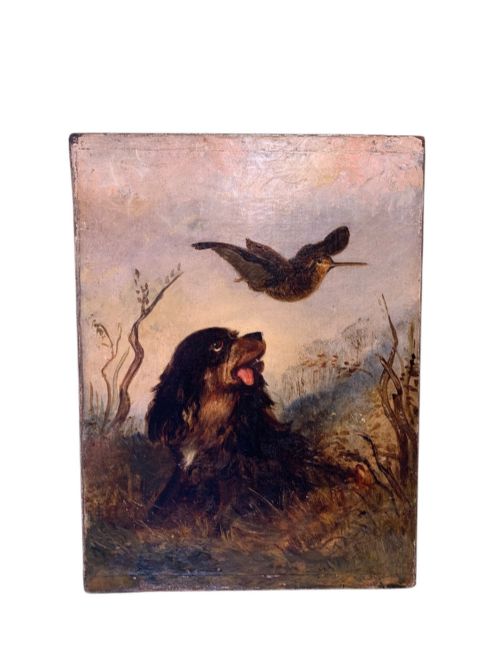
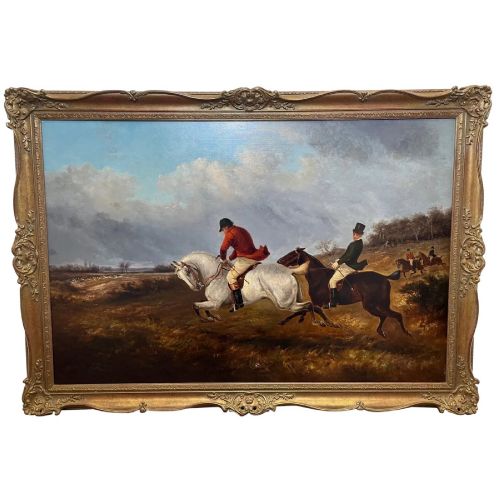
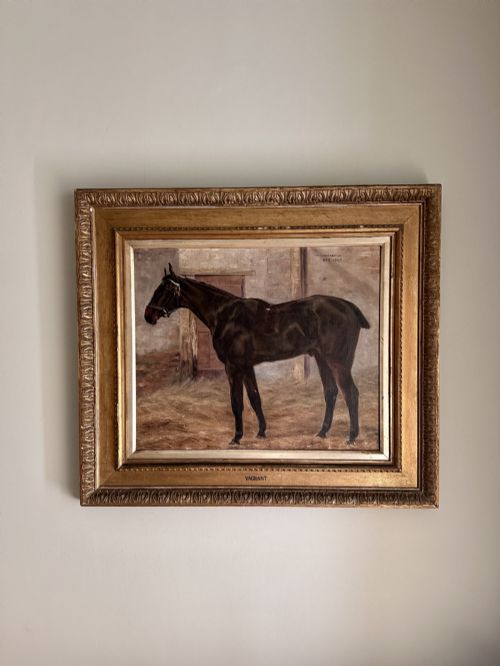
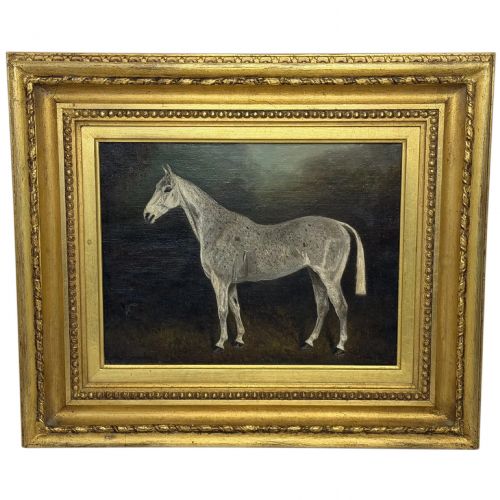
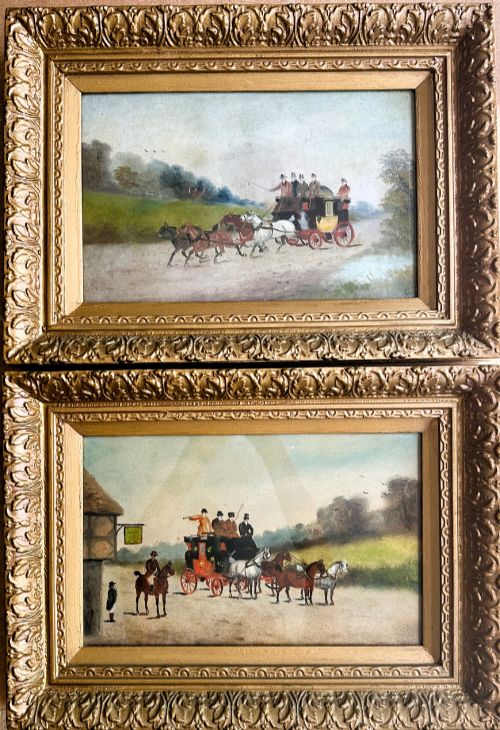
Collectors seeking an equestrian and sporting painting examine canvases and watercolours dedicated to horses, hounds, coaching scenes and field sports. The selection ranges from nineteenth century Victorian oils to early twentieth century studies by established hands.
Most pieces on this page originate in the nineteenth and early twentieth centuries, spanning periods from the Georgian era through to the Edwardian decades. Common subjects involve individual portraits of hunters and racehorses, alongside sweeping hunting fields and coaching halts.
Works appear in various formats, including framed oils on canvas, watercolour paintings on paper, and painted prints. These items reflect a long tradition of documenting rural pursuits and prized bloodstock across British estates.
Distinctions in Quality
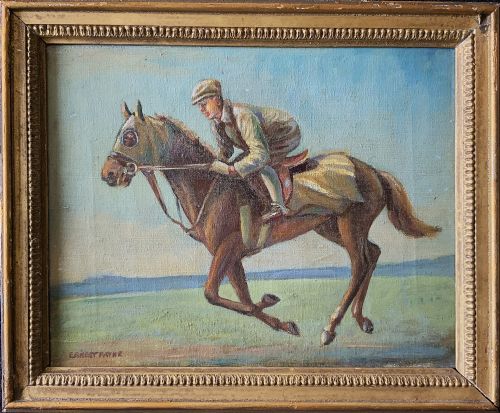
The distinction between ordinary and exceptional works rests upon the artist's command of equine anatomy, posture and light. A superior canvas conveys the tension in a galloping stride or the calm weight of a hunter in a stable with confident brushwork.
Compositional balance and atmospheric depth separate routine records of livestock from masterly sporting art. The integration of horse, rider and landscape into a unified scene determines the visual power of the finished piece.
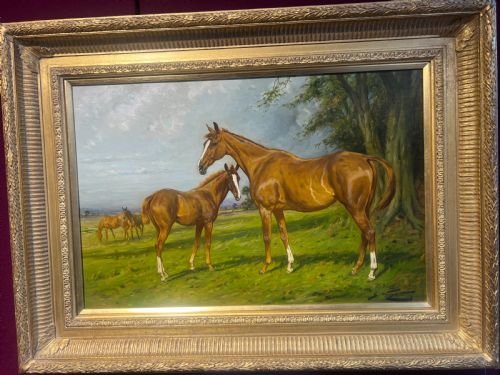
Several canvases depict named nineteenth century thoroughbreds alongside their jockeys, preserving the exact likenesses of champion racehorses for modern viewers.
Henry Barraud·Thomas Smythe·Sir Edwin Henry Landseer·George Wright·William Albert Clarke·Fred Fitzpatrick·Ernest Payne·Edward Priestley·C R Breytle·Philip Rideout·Thomas Walker Bretland·John Frederick Herring Snr·John Ferneley Senior·Alfred Munnings·John Rattenbury Skeaping·John Arthur Lomax·Albert Clark·George E Sharpe·Edward Lloyd of Ellesmere·John Sanderson Wells·Basil Nightingale·W Williams·Abraham Cooper·Philip Henry Rideout
The Equestrian and Sporting Painting Glossary
- Giltwood
- Wood carved and covered with a thin layer of gold leaf or gilt. Such frames often accompany nineteenth century oils to enhance the visual weight of the painting.
- Eglomise
- A process of applying design and gilding to the rear face of glass. This technique produces a reflective, finished surface seen in decorative reproductions.
- Provenance
- The documented history of ownership of an object. Clear records link specific canvases to historical estates and galleries.
- Gouache
- An opaque water-based paint mixed with a binding agent. Artists use it to achieve solid blocks of colour and fine detail on paper.
Equestrian and Sporting Painting: Frequently Asked Questions
What subjects feature in these paintings?
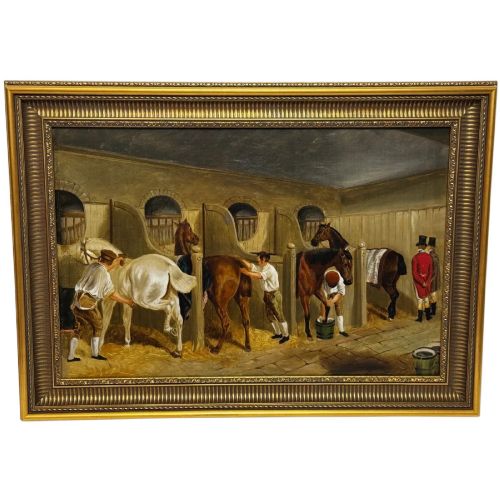
Paintings depict racehorses, hunters, coaching scenes, fox hunting fields and stable interiors. These subjects reflect rural life and equine breeding across British history.
Artists recorded specific named horses alongside generic sporting scenes, capturing both individual portraits and dynamic group compositions.
How do I date a sporting painting?
Dating relies on costume details, vehicle styles in coaching scenes, stretcher construction and artist signatures. Archival records and exhibition labels often provide precise years.
Stylistic shifts between nineteenth century academic realism and twentieth century impressionism also help narrow the period of creation.
Where should I hang these artworks?
These pieces suit traditional studies, hallways and reception rooms where wooden furniture and neutral walls complement gilt frames. Direct sunlight should be avoided to protect oil surfaces and paper watercolours.
Proper wall fixings are necessary to support the weight of large framed canvases and heavy wooden surrounds.
What is the difference between oils and watercolours here?
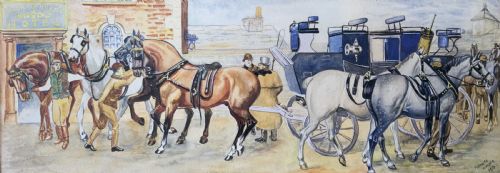
Oils on canvas offer rich textures, deep colour saturation and durable surfaces that traditionally suited formal portraiture. Watercolours on paper provide a lighter, more immediate impression often used for studies and coaching sketches.
Both mediums received different framing treatments historically, with oils typically occupying heavier giltwood moulds.