
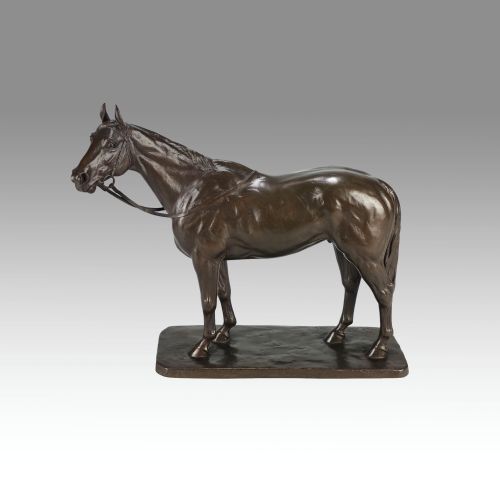
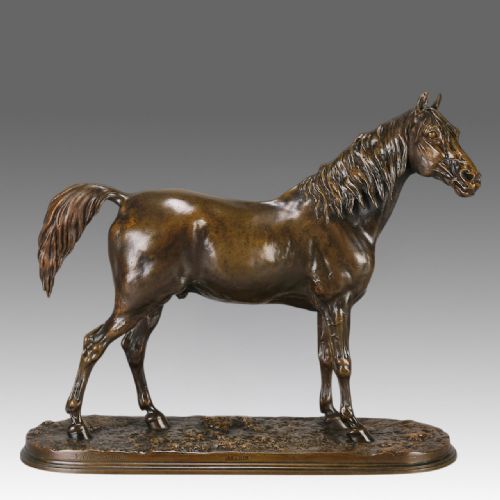
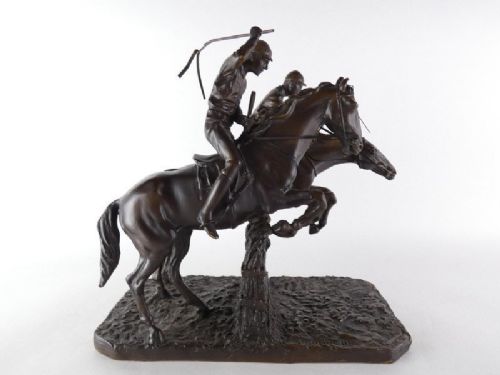


Equestrian and Animalier Bronze
These equestrian and animalier bronze sculptures capture horses and hounds with striking realism, offering collectors tactile pieces of nineteenth and twentieth-century animal sculpture.
Equestrian and Animalier Bronze
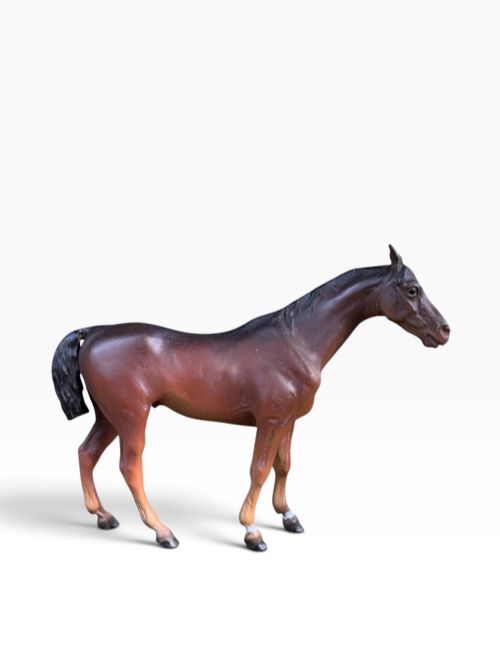
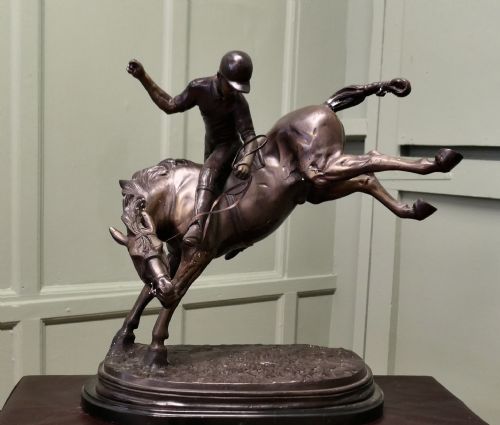
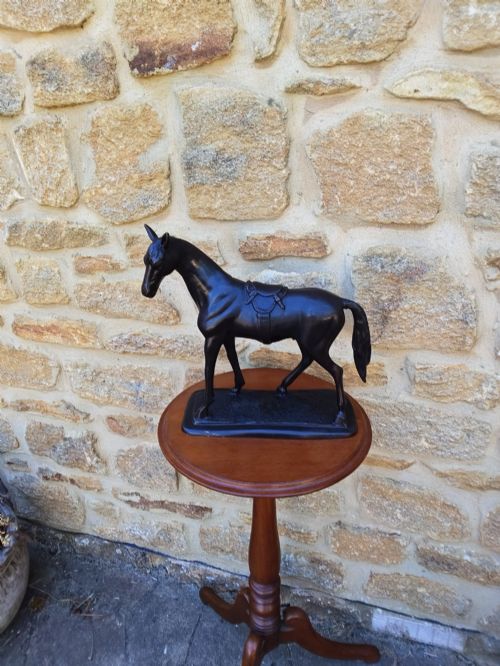
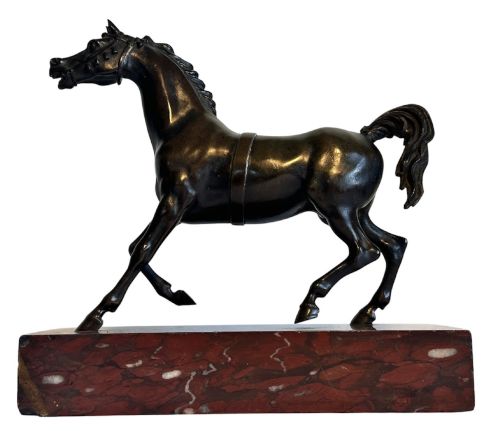
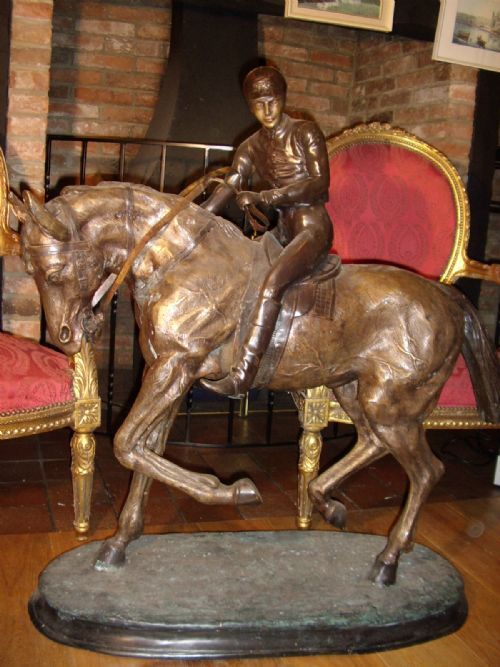
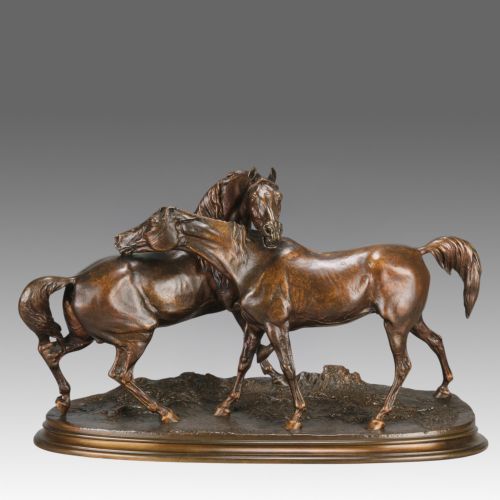
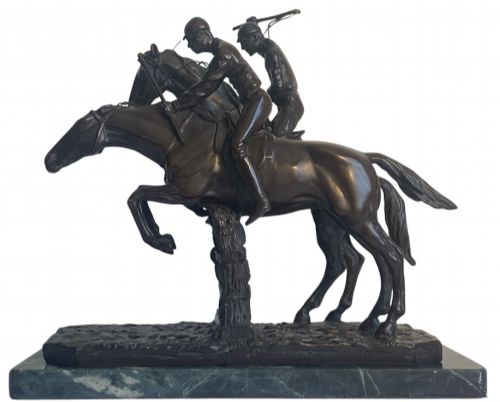
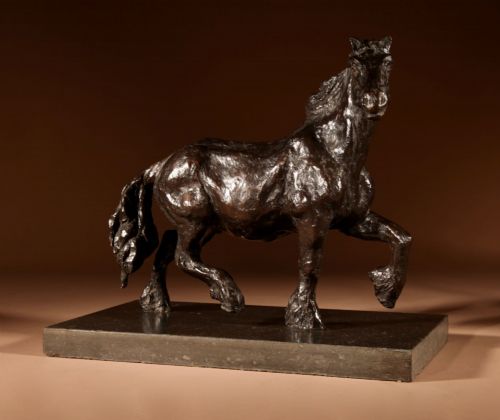
When you search for equestrian and animalier bronze, you encounter sculptural works portraying horses, jockeys, hounds and exotic animals from the nineteenth and twentieth centuries. The pieces range from realistic studies of Arab horses and steeplechase scenes to figurative groups set upon marble or stone bases.
You meet French animalier school casts alongside Viennese cold-painted figures and Japanese bronzes from the Taisho period. These objects appear as standalone sculptures, figurines, and occasional sculptural dishes depicting racing monkeys or hunting scenes.
Method and Material
The objects combine cast bronze with secondary materials such as marble bases, wooden mounts, and stone plinths. Bronze is poured into moulds to capture muscular definition and fine anatomical detail.
Certain pieces utilise cold-painted techniques where enamel colours are applied directly onto the metal surface, while others rely on rich patinated bronze finishes to create depth and shadow.
Listings feature works from the nineteenth century through to the mid-twentieth century, employing bronze, marble, stone, and wood.
Distinctions in Execution
The integration between the bronze figure and its stone or marble base also separates standard castings from exceptional works. Casts bearing clear signatures and nuanced patination demonstrate greater sculptural fidelity.
Pierre Jules Mêne·Isidore Jules Bonheur·Alfred Dubucand·Nikolai Lieberich·Kunio Itô
The Equestrian and Animalier Bronze Glossary
- Animalier
- A nineteenth-century artistic movement focused on the realistic portrayal of animals, particularly horses, dogs and wild beasts. Practitioners studied live subjects in menageries and rural settings.
- Cold-painted bronze
- A method where polychrome oil or enamel paints are applied to a cold bronze surface rather than fired in a kiln. This technique gained prominence in Vienna during the late nineteenth century.
- Patinated bronze
- Metal treated with chemical solutions to produce controlled surface colours ranging from deep brown to verdigris. This finish protects the metal and accentuates sculptural contours.
- Lost-wax casting
- A process where a wax model is encased in mould material, melted out, and replaced with molten bronze. It permits intricate undercut details essential for dynamic animal forms.
Equestrian and Animalier Bronze: Frequently Asked Questions
What is an animalier bronze?
An animalier bronze is a nineteenth or twentieth-century sculpture depicting animals in realistic poses, often created by artists specialising in natural history and anatomical precision.
These pieces typically represent horses, dogs or wild animals, cast in metal and frequently mounted on stone or marble plinths for display.
How do I identify a cold-painted bronze?
Cold-painted bronzes display visible layers of coloured enamel paint applied directly to the metal surface rather than traditional chemical patination. This technique was widely used in Vienna.
Examining the surface under magnification reveals the brushwork and pigment adhesion characteristic of this specific decorative process.
What periods do these sculptures date from?
The listings span the nineteenth and twentieth centuries, encompassing Victorian, Edwardian, and Taisho periods alongside later twentieth-century modernist interpretations.
Dates are determined through stylistic comparisons, foundry marks, and the specific composition of the bronze and its supporting base.
How were these bronzes displayed?
These sculptures were intended as interior decorative objects for studies, libraries, and drawing rooms during the Victorian and Edwardian eras. They served as conversation pieces reflecting the owner's interest in equestrian sports and wildlife.
Many incorporate heavy marble or stone bases designed to keep the freestanding metal figures stable on wooden furniture.