



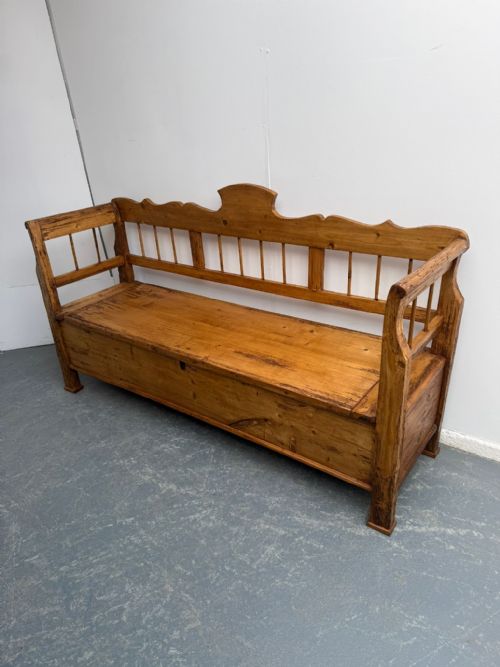
Entryway Bench with Storage
An entryway bench with storage provides a practical seat and concealed compartment, combining utility and traditional craft for the home.
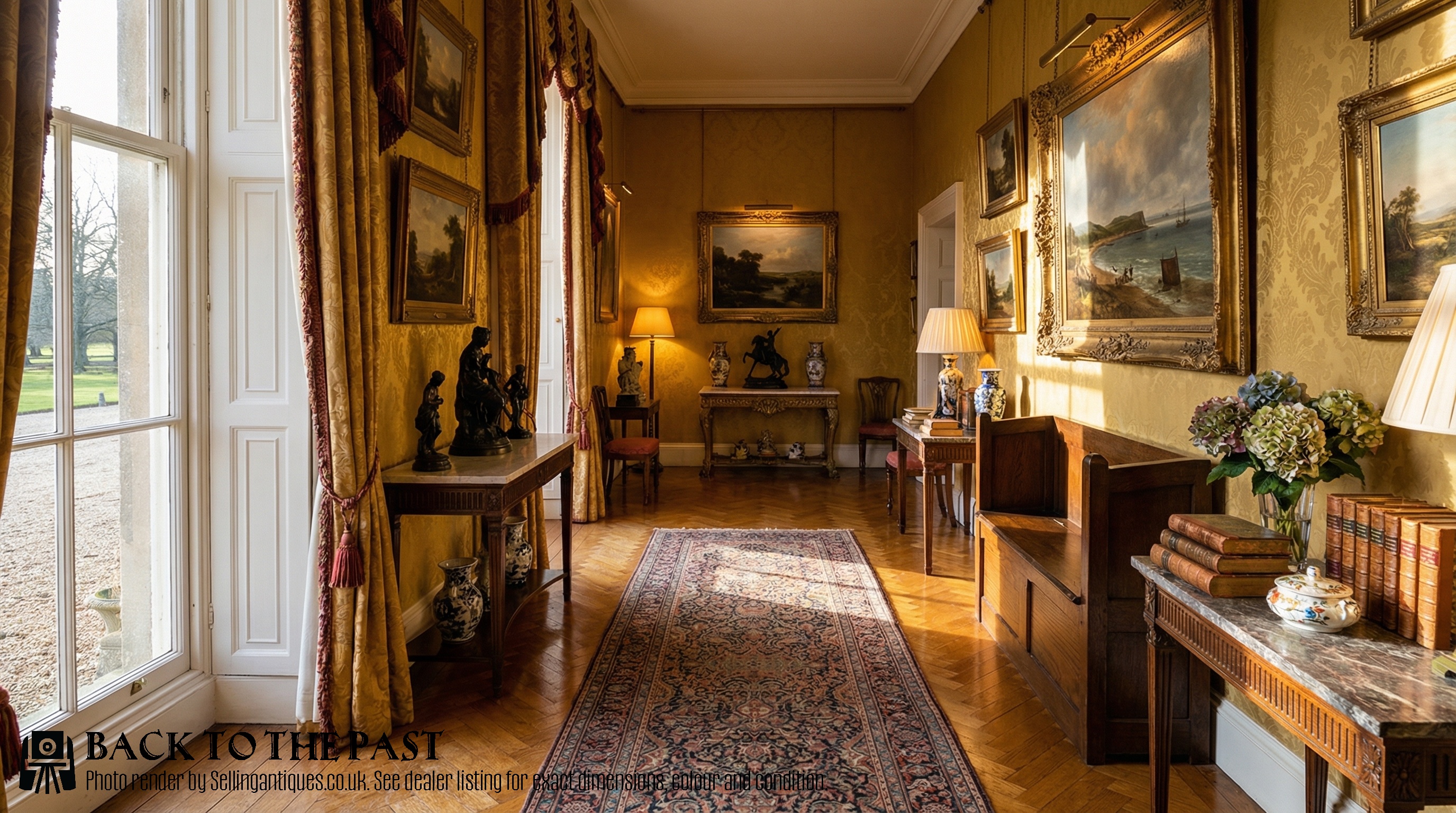
Entryway Bench with Storage
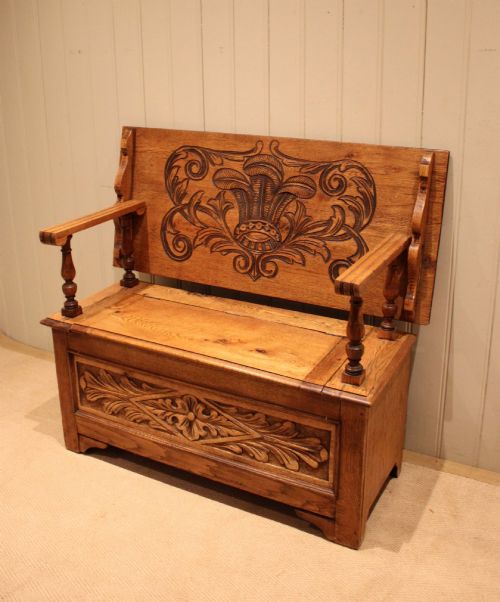
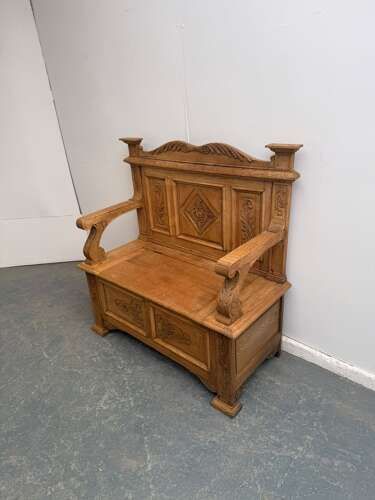
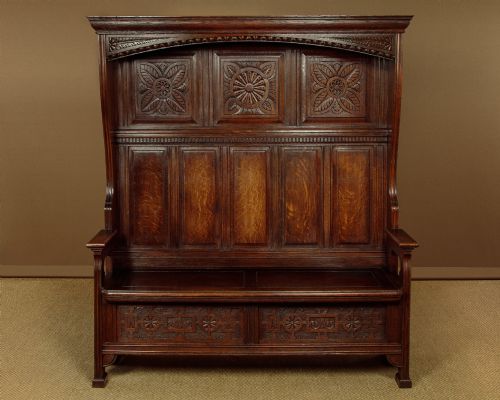
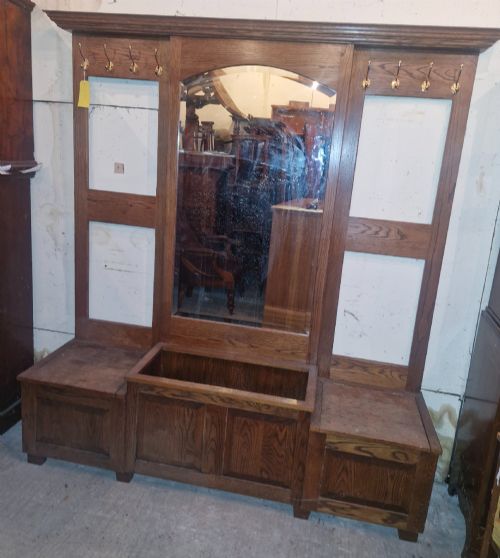
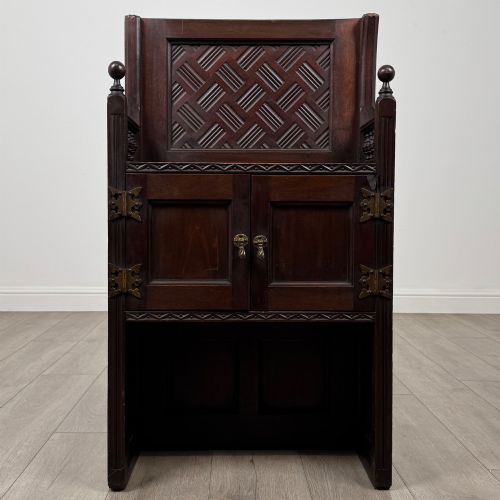
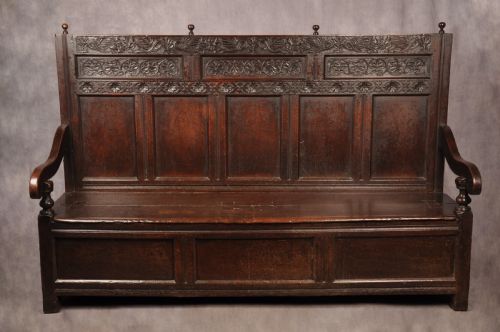
An entryway bench with storage serves as a functional seating option that typically incorporates a lift-up lid, a hinged seat, or a lower compartment for boots and household items. The pieces catalogued here span several notable periods including Georgian, Victorian, Edwardian, and the mid-twentieth century, alongside forms dated to 1900, 1910, 1850, and 1960.
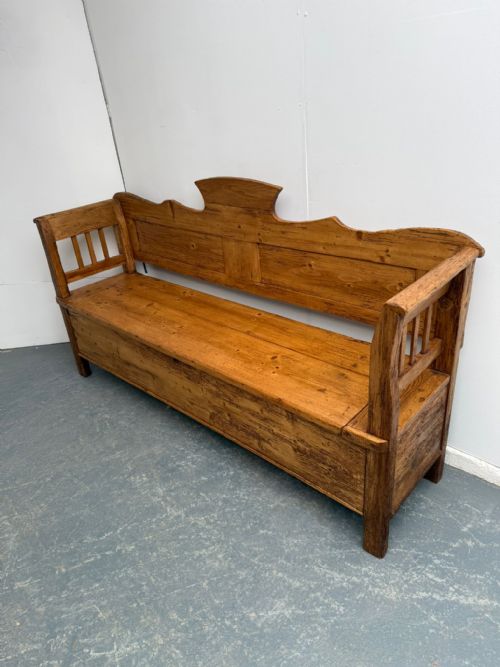
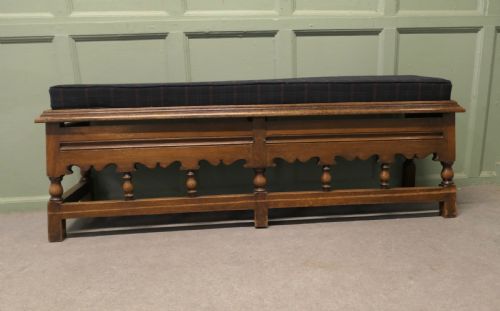
The selection encompasses diverse historic terminology and forms such as settles, hall benches, hall seats, coffer benches, and hall stands. Many examples emerge from regional British and Irish traditions, alongside Hungarian country primitives, showcasing diverse domestic uses from taverns to grand hallways.
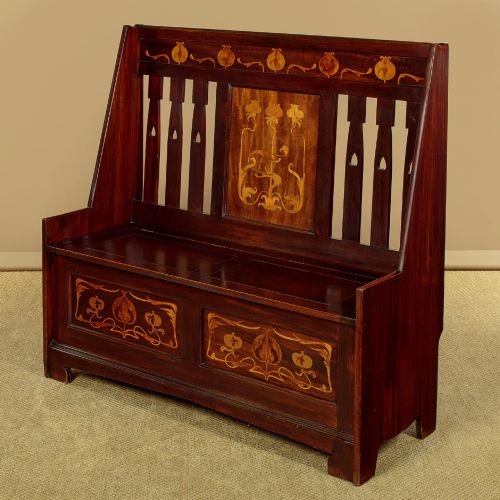
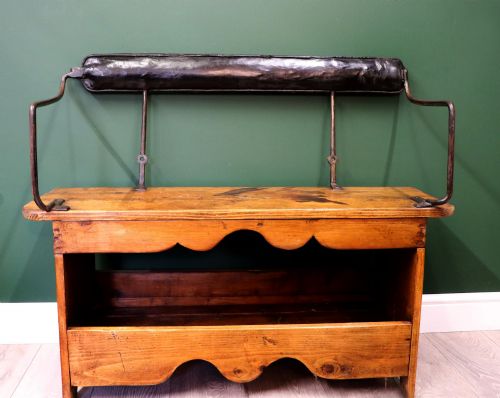
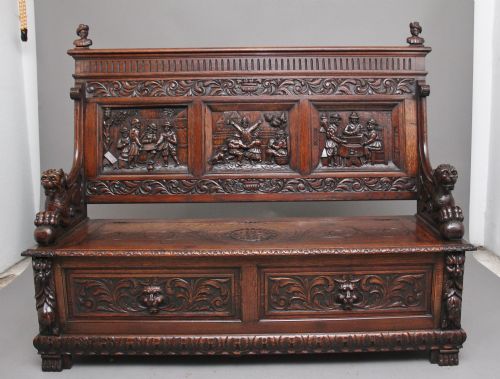
Buyers will encounter multiple stylistic interpretations within this group, ranging from rustic farmhouse and English country styles to Gothic Revival, Jacobean Revival, Arts and Crafts, and Victorian industrial designs. Oak and pine dominate the selection, accompanied by occasional walnut and decorative boxwood inlay.
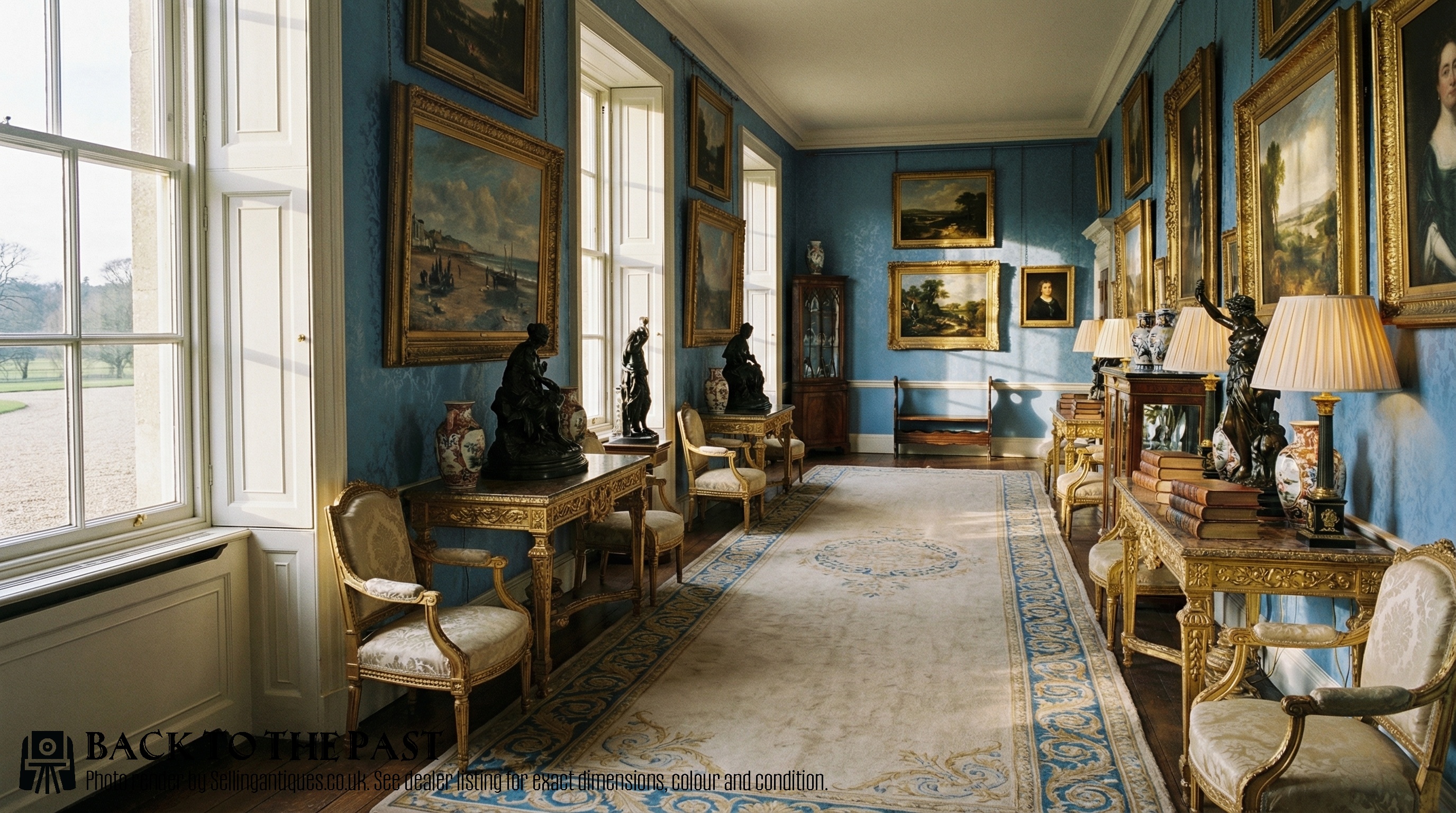
Materials and construction methods
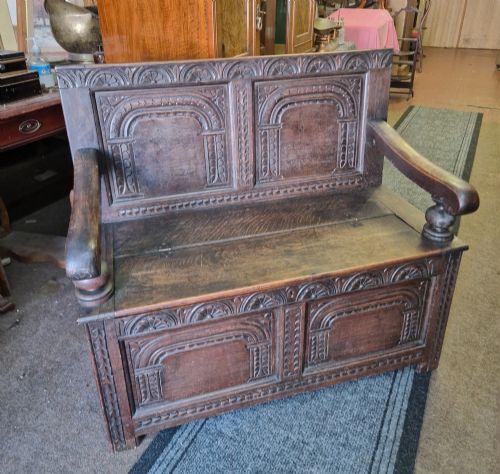
Carpenters constructed these benches predominantly from solid timbers such as oak, pine, and walnut, often employing traditional panelled joinery to ensure structural rigidity for daily seating. Master craftsmen frequently integrated hinged lids and box compartments beneath the seats, requiring robust iron or brass hardware to withstand frequent lifting.
Surface treatments vary according to regional origin and period, featuring waxed natural finishes that highlight the grain of the wood, alongside surviving original paint or decorative carved motifs. Detail work includes intricate boxwood inlay and relief carvings such as Green Man iconography or Gothic tracery executed by hand.
Some settles feature hidden compartments designed long ago to keep tavern secrets safe from prying eyes.
Factors that determine quality
The degree of craftsmanship apparent in the carving and joinery distinguishes standard domestic furniture from exceptional workshop productions. Pieces featuring substantial timber thickness, well-executed panel construction, and integrated storage compartments demonstrate superior manufacturing standards.
The survival of original surface treatments, such as early paint or patinated wax finishes, significantly influences the standing of a piece within the category. Retaining original hardware, functional hinges, and authentic structural timbers preserves the historical integrity of the bench.
James Shoolbred and Co
The Entryway Bench with Storage Glossary
- Settle
- A wooden bench with a high back, solid arms, and a box seat that lifts to reveal storage. This traditional form kept draughts away from the sitter.
- Hall bench
- A seating piece designed for an entrance hallway, often incorporating storage compartments for outdoor wear. These items bridge domestic utility and formal reception spaces.
- Coffer
- A large chest or box used for storage, which when fitted with a back and arms transforms into a dual-purpose seat. Carpenters often embellished the front panels with extensive carvings.
- Boxwood inlay
- A decorative technique where contrasting light-coloured boxwood is inserted into recesses cut into a darker wood base. Cabinet makers utilised this method to create geometric or floral patterns.
- Green Man
- A sculptural architectural ornament depicting a human face surrounded by or emerging from foliage. This motif symbolises rebirth and appears frequently on carved oak panels.
Entryway Bench with Storage: Frequently Asked Questions
How were entryway benches used historically?
Historically, households utilised these benches in entrance halls, passages, and communal rooms as both seating and secure storage for heavy garments, blankets, or footwear.
The enclosed box base kept items tidy while the high back or solid sides protected occupants from cold draughts near exterior doors.
Where should I place a storage bench?
These pieces suit entrance halls, boot rooms, and spacious landings where daily footwear and accessories require concealed storage.
Ensure adequate clearance allows the hinged lid or doors to open fully without striking adjacent walls or furniture.
How do I care for waxed oak furniture?
Maintain the finish by applying a quality beeswax polish periodically and buffing gently with a soft cloth to preserve the sheen.
Keep the wood away from direct heat sources and strong sunlight to prevent the timber from drying out or splitting.
How can I distinguish a Georgian settle?
Georgian examples typically display heavier timber proportions, hand-planed surfaces, and traditional pegged joinery without modern metal fasteners.
Country pieces often feature simple panelled construction and waxed pine or oak surfaces reflecting utilitarian rural manufacture.