



Engraved Trophy Cup
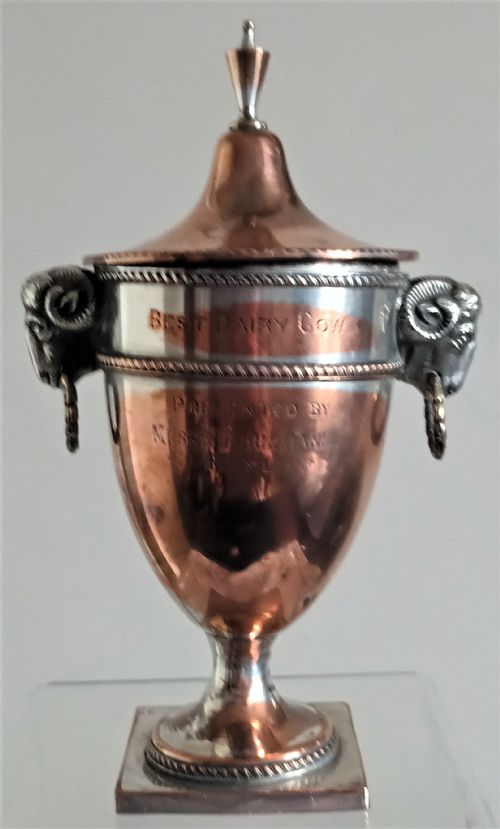
An engraved trophy cup carries the weight of past victories in sterling silver, silver plate and Old Sheffield Plate.
Engraved Trophy Cup
The pieces on this page span Georgian, Victorian, Edwardian, Chinese Export and Anglo-Indian styles, reflecting a wide geographical range of commissioning tastes. Most examples encountered here date from the nineteenth century, often bearing intricate hand-engraved dedications, crests or floral motifs.
Makers and silversmiths utilised diverse forms to mark events ranging from rowing regattas to cricket matches. Buyers find both monumental presentation pieces and smaller novelty items designed for display or domestic celebration.
Determinants of quality
Quality in an engraved trophy cup rests upon the crispness and depth of the manual engraving rather than mere surface decoration. Crisp, well-defined crests and legible presentation inscriptions indicate skilled handwork by accomplished silversmiths.
The weight of the metal and the structural balance of the handles, stems and feet distinguish superior examples from standard production pieces. Heavier gauge sterling silver and substantial Old Sheffield Plate retain their form and detail far better over generations of handling.
Listings feature items from the eighteenth, nineteenth and twentieth centuries, utilising sterling silver, silver plate and Old Sheffield Plate.
Henry Tatton & Son·Thomas Sutton·Blackensee & Son
The Engraved Trophy Cup Glossary
- Sterling silver
- A silver alloy containing 92.5 percent pure silver and 7.5 percent other metals, usually copper, ensuring durability for holloware. It forms the standard metal for high-grade presentation pieces.
- Old Sheffield plate
- An early form of composite metal produced by fusing a sheet of silver to a thicker copper base before rolling. This technique was widely utilised before the invention of electroplating.
- Parcel gilt
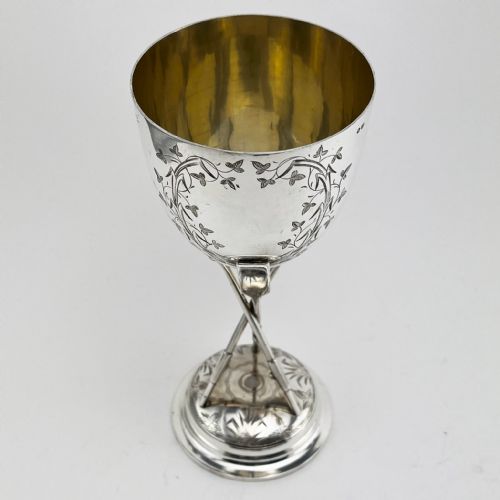
- Silverwork that is partially gilded with gold on specific areas, such as the interior bowl or decorative motifs, while the rest remains in polished silver. It creates a striking bicolour appearance.
- Loving cup
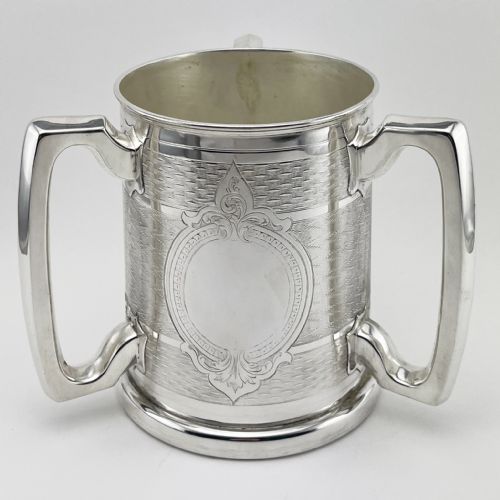
- A large drinking vessel featuring two or three handles, traditionally passed around among guests at banquets or celebrations. Many nineteenth-century presentation pieces took this specific communal form.
- Repoussé
- A metalworking technique where the silversmith hammers the design from the reverse side to form a raised relief on the front. It is frequently seen on decorative urns and foreign silver productions.
Engraved Trophy Cup: Frequently Asked Questions
How are dates determined on unmarked cups?
Stylistic indicators such as foot rims, handle shapes and the style of engraving provide reliable clues to a cup's period of manufacture when hallmarks are absent.
Comparison with documented examples from Georgian, Victorian or Edwardian makers helps narrow down the decade of production.
Can these cups still be used for drinking?
Solid sterling silver and silver-gilt cups are generally safe for beverages, provided the interior is clean and free from harmful tarnish.
Silver-plated and copper pieces require careful consideration of the underlying metal exposure before any liquid is introduced.
What does parcel gilt mean on a goblet?
Parcel gilt refers to objects where only specific sections, such as the inside of the rim or the engraved motifs, receive a gold wash.
This technique highlights the detailed craftsmanship and protects vulnerable areas from tarnishing.
How do I care for antique silver plate?
Gentle cleaning with a specialist silver cloth prevents the gradual loss of thin plating layers over time.
Harsh abrasive dips should be avoided, particularly on Old Sheffield Plate where the underlying copper might become exposed.