



Antique Presentation Chalice
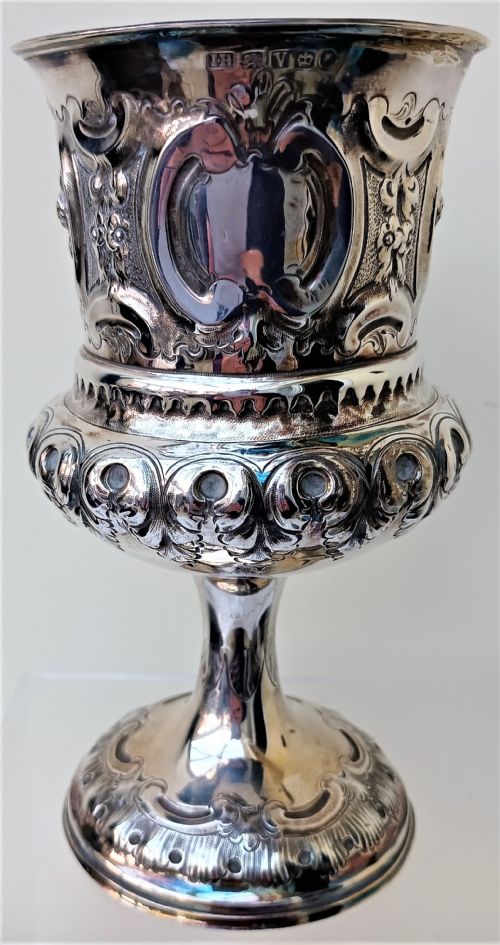
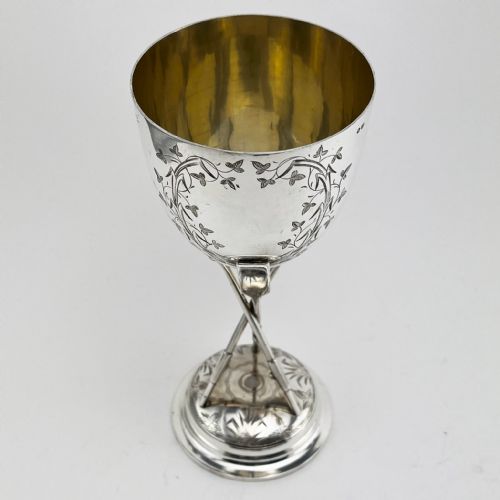
These antique presentation chalice items combine civic pageantry and athletic glory, offering heavy metals and deep bowls designed to mark high achievement.
Antique Presentation Chalice
An antique presentation chalice takes several distinct forms, most frequently appearing as heavy trophy cups, loving cups, and tall goblets created to mark sporting victories or civic milestones. Buyers examining these pages will encounter pieces spanning the Georgian, Victorian, Edwardian, and Art Deco eras, alongside regional examples from Chinese Export, Indian Kutch, and Irish makers.
The objects serve primarily as commemorative vessels rather than tableware, often featuring deep bowls, handles, and tailored covers that reflect the tastes of their specific commissioning decades. Formats range from modest racing goblets to substantial covered presentation pieces made in England, Germany, and beyond.
Materials and construction
Makers shaped these vessels predominantly from sterling silver, solid silver, and silver plate, alongside specialised materials like Old Sheffield plate, copper, and silver gilt. Ebonised wood occasionally appears in bases or supporting elements to provide structural contrast to the bright metal surfaces.
Construction techniques combine traditional smithing with detailed surface work such as hand engraving, chasing, and applied cast elements. Artisans utilised Sheffield plating or direct casting to achieve the substantial walls required for deep bowls and supporting stems.
Some rowing and cricket trophies are accompanied by surviving tie pins, ensuring the victorious gentleman matched his chalice.
Distinctions in quality
Quality rests in the weight of the metal, the crispness of the hand engraving, and the structural integrity of applied handles and covers. Superior pieces display deep, balanced chasing and firm junctions where stems meet bowls and bases.
Provenance and specific stylistic detailing elevate certain items, particularly where specialised regional motifs or named silversmiths are involved. Lesser pieces show lighter gauge metal and routine, shallow surface decoration without distinct maker attribution.
James Deakin & Sons·Henry Tatton & Son·Zee Wo·Joseph Rodgers & Sons
The Antique Presentation Chalice Glossary
- Chalice
- A large cup on a stem, typically with a deep bowl used historically for ceremonial or formal drinking.
- Loving cup
- A large drinking vessel equipped with two or more handles, traditionally passed around a gathering for communal toasts.
- Sheffield plate
- A fused composite material made by melting a thin sheet of silver onto a thicker copper base, common in earlier pieces.
- Chasing
- A metalworking technique where the artisan pushes metal from the front with a hammer and punch to create raised surface designs.
- Silver gilt
- Silver objects that have been coated with a thin layer of gold on the interior or exterior surfaces for enhanced richness.
Antique Presentation Chalice: Frequently Asked Questions
What were presentation chalices used for?
These vessels functioned primarily as commemorative prizes for athletic victories, rowing regattas, cricket matches, and hunting events. They were also presented to mark civic achievements or retirements.
While occasionally used for ceremonial toasts during formal dinners, most served as permanent display pieces in clubs and private homes to record past triumphs.
How do I care for silver presentation pieces?
Regular, gentle dusting with a soft, lint-free cloth preserves the surface finish without wearing down fine engraving. When cleaning becomes necessary, use a mild, non-abrasive silver cream applied sparingly.
Avoid harsh chemical dips that strip away natural patination and damage any gilt interiors or ebonised wooden elements attached to the base.
How can I tell Victorian pieces from later items?
Victorian examples often rely on heavy ornamentation, Neo-Renaissance motifs, or elaborate foliate chasing reflecting mid to late nineteenth-century tastes. Hallmarks stamped into the metal provide the most reliable guide to the exact year of assay.
Later Edwardian and Art Deco pieces shift toward cleaner geometric lines, novelty forms, or streamlined styling that abandons heavy Victorian relief work.
Why do some cups have covers?
Covered presentation cups denoted higher status and more formal commissioning, often reserved for substantial civic trophies or important sporting prizes. The lid completed the sculptural silhouette of the vessel and frequently echoed the decorative motifs of the main body.
Many surviving pieces have lost their original lids over time, making intact covered chalices particularly noteworthy to collectors.