


Engraved Sterling Silver Fob
Engraved sterling silver fob pieces combine pocket timepieces, vestas, and medallions that collectors prize for their intricate period handwork.
Engraved Sterling Silver Fob
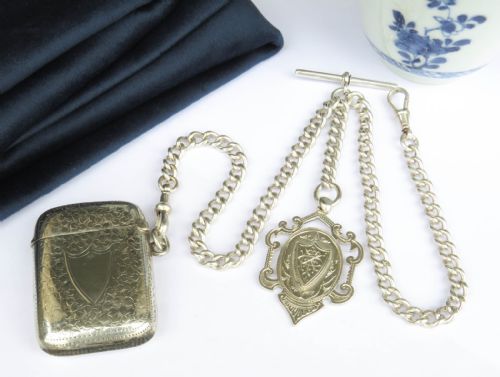
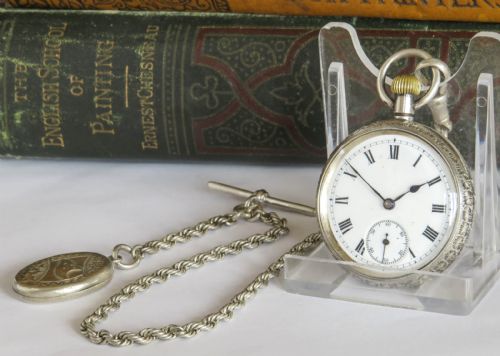
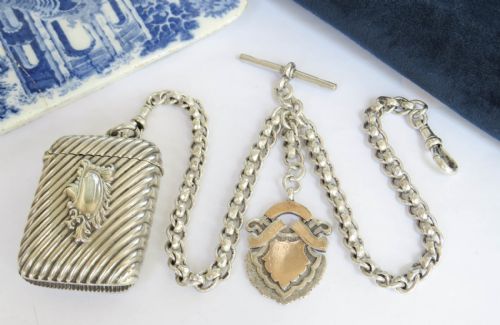
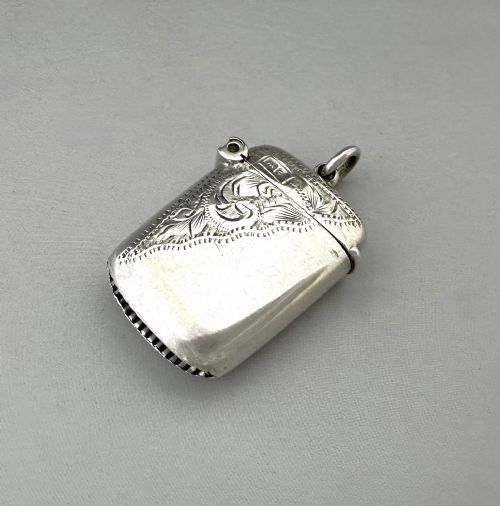
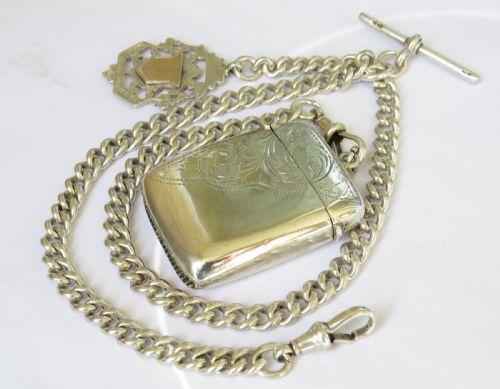
An engraved sterling silver fob encompasses watch chains, sovereign cases, vesta matchsafes, and medals originating from the Victorian, Edwardian, and Art Deco periods. These items connect directly to nineteenth and early twentieth-century pocket watch culture and personal accessories.
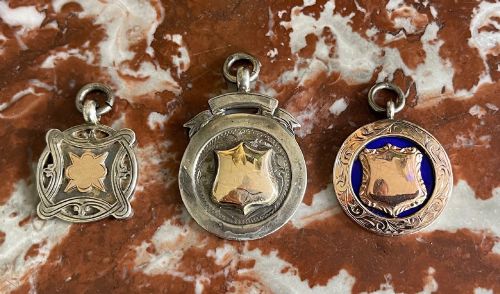
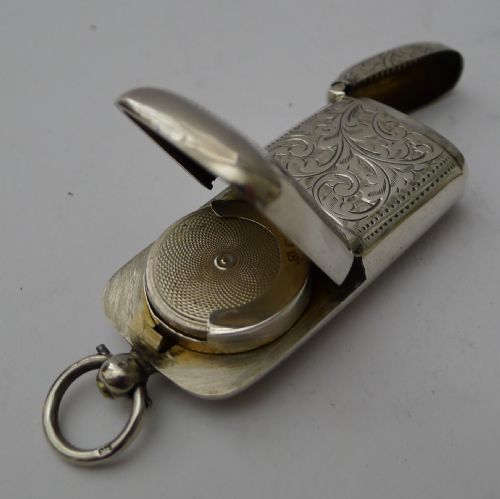
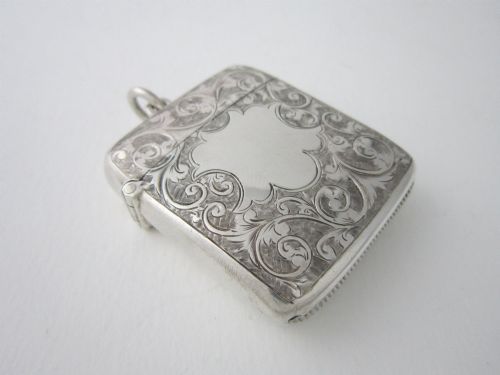
The most common examples encountered on this page are silver vesta cases and sovereign cases featuring scroll engraving, alongside medals and watch chains from Birmingham silversmiths. Pieces often date between the late nineteenth century and the 1930s, showing characteristic regional hallmarks.
Materials and construction methods
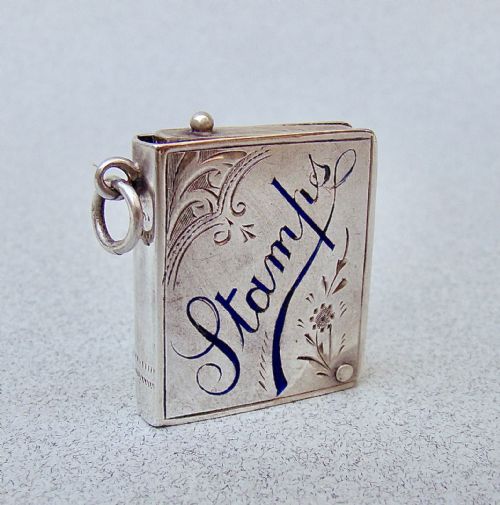
Makers shaped these items primarily from sterling silver, occasionally incorporating gold accents, enamel, or rose gold highlights onto watch fobs and pendants. Silversmiths utilised stamping, piercing, and hand-engraving techniques to produce crisp floral scrolls and geometric Art Deco patterns.
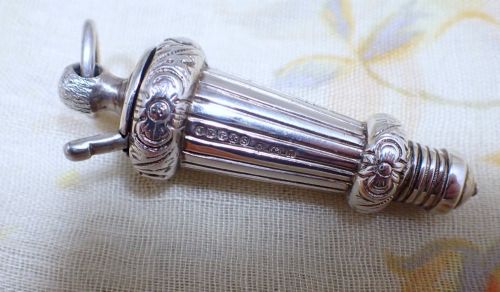
Cases and medallions rely on sturdy hinge construction and secure clasp mechanisms designed for daily pocket use. Hallmarks stamped directly into the metal indicate the assay office, such as Birmingham or Chester, alongside the sterling standard.
Distinctions in craftsmanship and condition
Quality rests upon the crispness and depth of the hand-engraving, where sharp leaf and scroll work commands greater appreciation than worn, shallow patterns. Pieces bearing distinct maker marks and legible assay office hallmarks retain clearer historical context.
Structural integrity of hinges on vesta and sovereign cases separates robust examples from those with weakened springs or misaligned lids. Original patination and untouched surface textures also distinguish finer surviving items from over-polished alternatives.
Crisford & Norris·Henry Charles Freeman
The Engraved Sterling Silver Fob Glossary
- Vesta case
- A small pocket container designed to hold matches safely, typically featuring hinged lids and strike bases. Many examples display detailed scroll engraving on sterling silver.
- Sovereign case
- A compact circular container engineered to hold gold sovereign coins securely in the pocket. These pieces often feature spring-loaded internal compartments.
- Albert chain
- A type of watch chain attached to a pocket watch and secured through a buttonhole with a fob. They appear in single and double strand configurations.
- Medallion
- A large flat pendant, often shaped like a shield or football, awarded for achievements and engraved with dates or names. They frequently serve as watch fobs.
- Hallmark
- An official stamp applied to precious metals indicating the purity standard, maker, and year of assay. Birmingham and Chester are common origins found on these items.
Engraved Sterling Silver Fob: Frequently Asked Questions
How do I date a silver vesta case?
Dating relies heavily on the stamped hallmarks showing the assay office city, the sterling standard mark, and a specific date letter.
Stylistic clues like Victorian scrollwork or geometric Art Deco lines also help narrow down the manufacturing decade between the late nineteenth century and 1930.
Were all these pieces made in Birmingham?
Many items originate from Birmingham due to its historical status as a major hub for silversmithing and assay stamping.
Other regional offices, such as Chester, also produced hallmarked sterling silver watch fobs and cases during the same periods.
How were watch chains and fobs worn?
Owners threaded an albert chain through a waistcoat buttonhole, attaching a pocket watch to one end and a decorative fob or medallion to the other.
Alternatively, items like sovereign cases and vestas hung directly from the chain as standalone pocket items.