

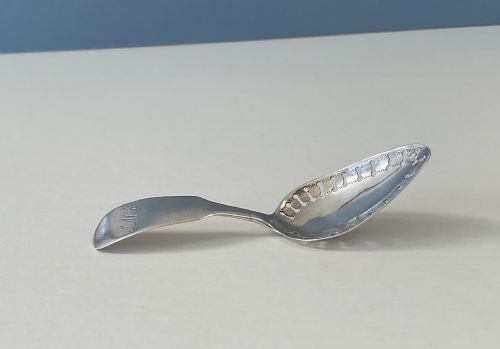


Engraved Sterling Silver Caddy
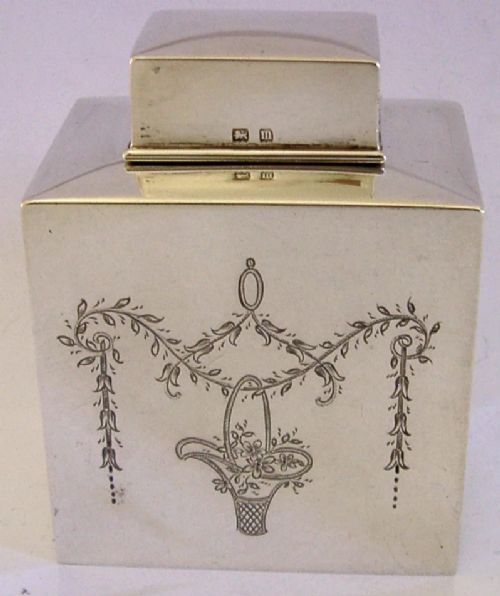
An engraved sterling silver caddy brings tactile weight and fine decorative detail to the tea table, rewarding the hand as much as the eye.
Engraved Sterling Silver Caddy
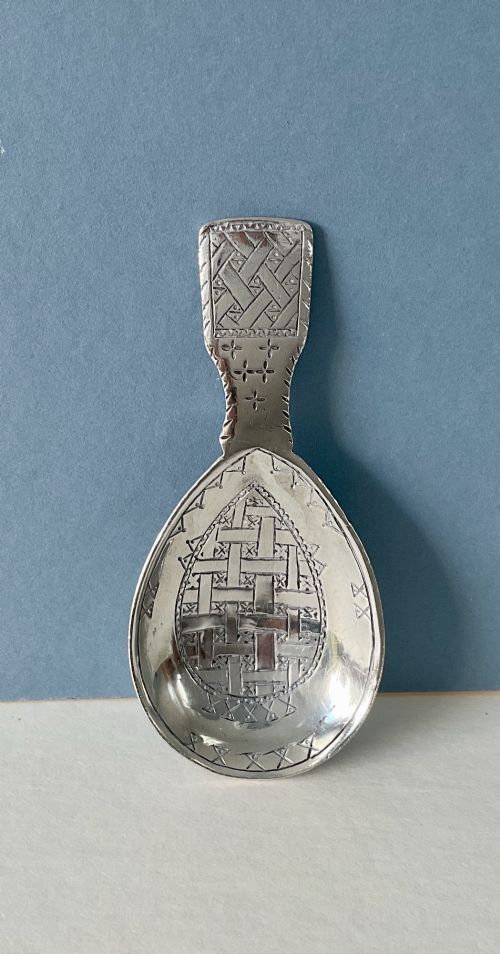
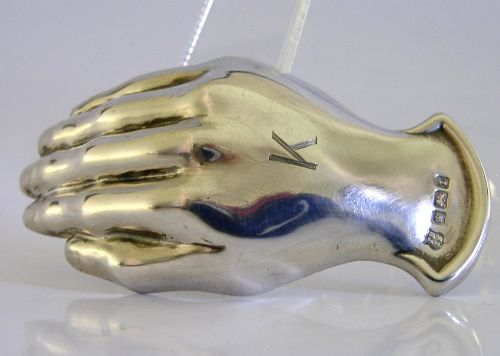
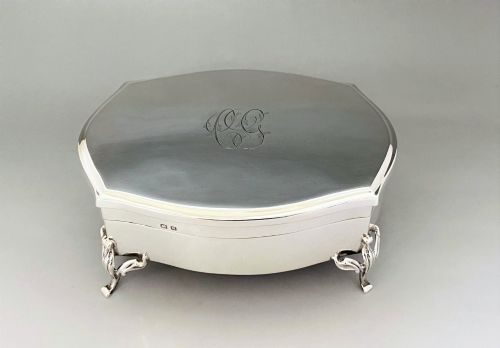
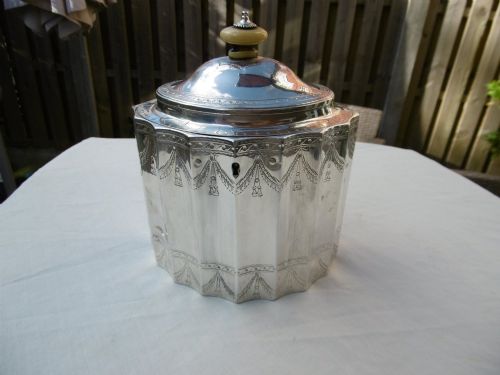
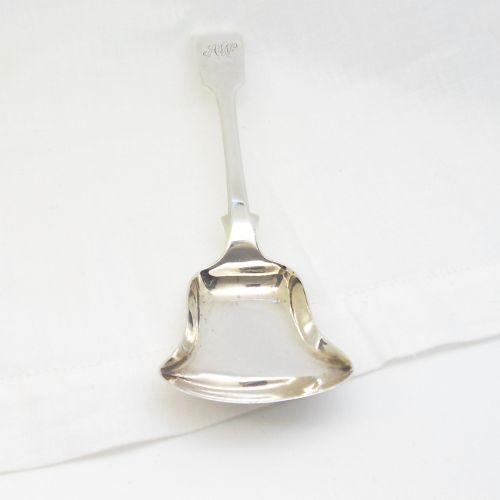
You will encounter pieces ranging from plain boxes to intricately pierced or fluted containers, alongside specialised spoons shaped like shells, leaves, and jockey caps. Most examples reflect the dominant British design movements of their respective decades, including George III regularity and later Arts and Crafts or novelty motifs.
Materials and construction methods
The objects in this selection rely principally upon sterling silver and solid silver, sometimes augmented by subsidiary elements of bone, ebonised wood, glass, paper, or 15ct yellow gold. Metalsmiths shaped these materials through casting, raising, and hammering before applying detailed surface ornament.
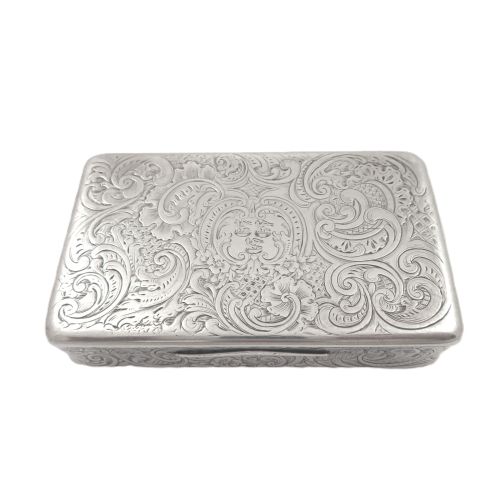
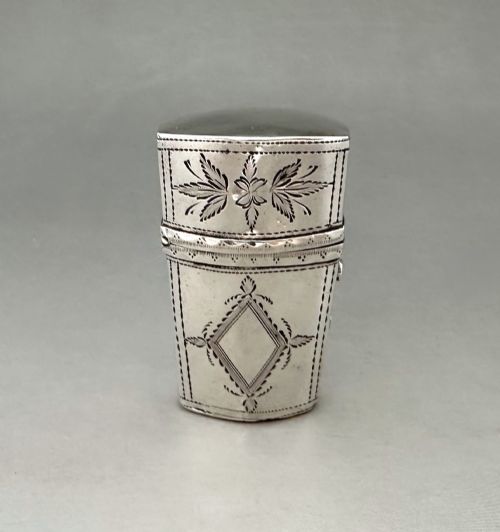
Engraving forms the primary decorative layer, executed with gravers and burins to cut crisp floral scrolls, feathers, crests, and geometric borders into the metal. Hallmarks struck directly into the silver record the assay office, year of production, and maker's mark, anchoring each item in its specific historical workshop.
Listings here span the Georgian, Victorian, and Edwardian periods, utilising sterling silver alongside bone, glass, and gold accents.
Distinguishing quality across the range
Quality in these items rests upon the crispness of the engraving and the substantial thickness of the metal gauge. Superior pieces maintain sharp, deep lines in their foliate scrolls and figural motifs, whereas inferior or heavily polished examples show softened edges where detail has worn away.
Construction integrity also separates standard items from the finest work, visible in the snug fit of box lids, the balance of hinged spoons, and the clarity of the maker's punches. Greater weight and robust structural joints indicate a higher standard of original craftsmanship.
Robert Hennell·Zimmermann·John Walton·William Neale·Joseph Wilmore·A & J Zimmerman Ltd·George Unite·Nathaniel Mills·John Hillery MacNamara
The Engraved Sterling Silver Caddy Glossary
- Sterling silver
- A silver alloy containing 92.5 percent pure silver and 7.5 percent other metals, usually copper, chosen for durability.
- Hallmark
- A set of official marks stamped onto precious metal items to guarantee their metallic standard and trace their origin.
- Caddy spoon
- A specialised spoon with a shallow bowl and short handle, designed specifically for measuring loose tea leaves.
- Engraving
- The process of cutting decorative lines or patterns into the surface of metal using a sharp hand tool.
- Gauge
- The thickness of the sheet metal used to form a box or spoon, where a heavier gauge denotes superior substance.
Engraved Sterling Silver Caddy: Frequently Asked Questions
What was a tea caddy used for?
Tea caddies served as secure storage containers for dry tea leaves when tea was an expensive commodity kept under lock and key. Wealthy households relied on them to preserve the aroma and flavour of imported leaves between uses.
Over time, these containers evolved from simple wooden chests with internal canisters into decorative metal boxes displayed prominently in the parlour or dining room.
How do I identify the date of a silver caddy?
Dating relies primarily on the combination of hallmarks stamped onto the silver surface by official assay offices in cities such as London, Birmingham, Sheffield, and Chester. A date letter stamp within the sequence points directly to the exact year of testing.
Stylistic cues such as Georgian fluting, Victorian scrollwork, or Edwardian simplicity provide additional context when hallmarks are rubbed or partially obscured.
Are caddy spoons different from regular teaspoons?
Caddy spoons feature noticeably shorter handles and wider, often shallow bowls shaped to dip easily into the narrow opening of a tea caddy or canister. Their proportions kept them practical for transferring loose leaves directly into a pot.
Silversmiths frequently shaped these bowls as shells, leaves, or jockey caps, turning a purely utilitarian implement into a decorative novelty.
How should I clean antique silver?
Routine maintenance requires only a soft cloth and warm soapy water to remove dust and surface oils from the silver without abrasive friction. Chemical dips should be avoided because they strip away the dark oxidation in engraved recesses that gives the design contrast.
Natural tarnish that builds up slowly in the background of engraved scrolls often enhances the legibility of the maker's work and the crispness of the lines.