
Engraved Sterling Box
An engraved sterling box brings together precious metal and precise hand-carved decoration, offering a functional vessel shaped by centuries of silversmithing.
Engraved Sterling Box
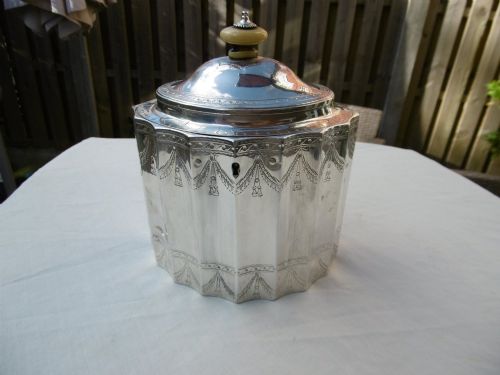
When you search for an engraved sterling box, you encounter a diverse group of small silver containers intended for personal use, from snuff boxes and vinaigrettes to card cases and tea caddies. These objects span multiple eras, most frequently appearing from the Georgian and Victorian periods through the Edwardian years and into the twentieth century.
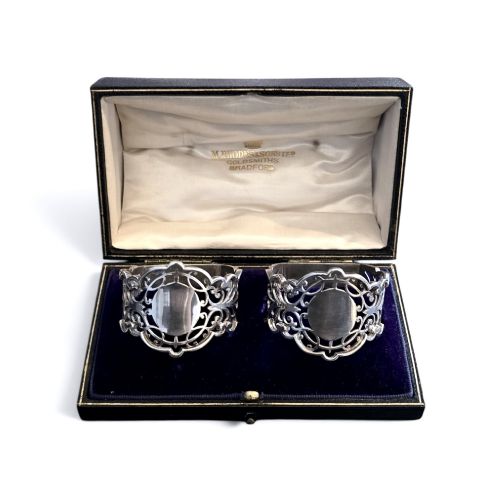
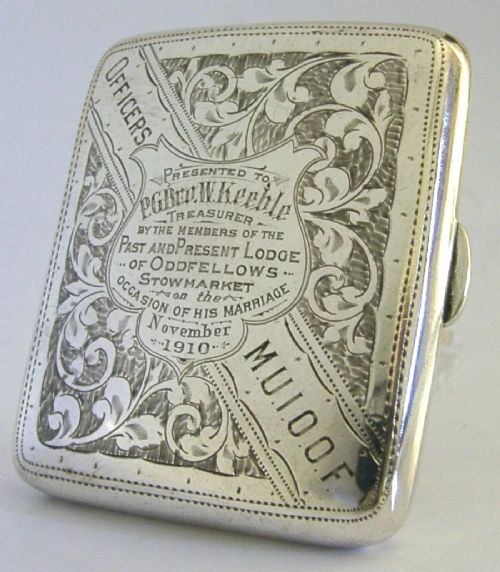
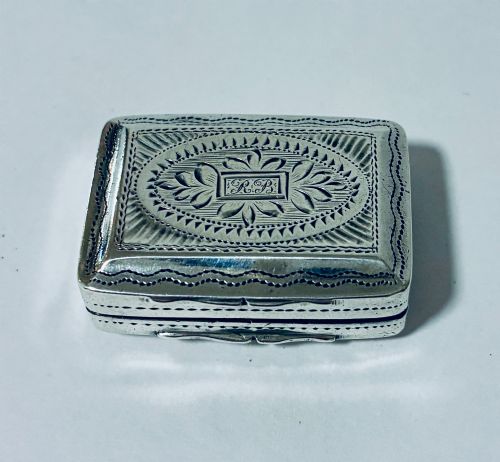
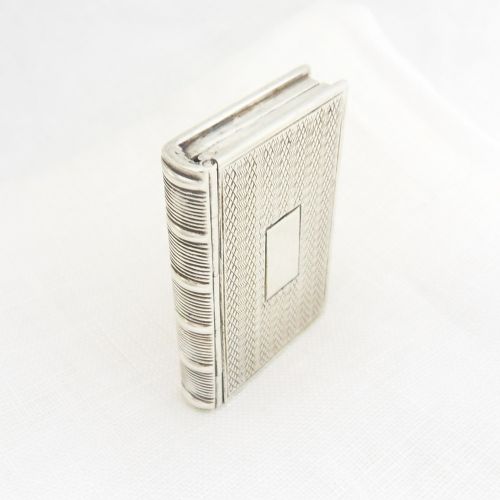
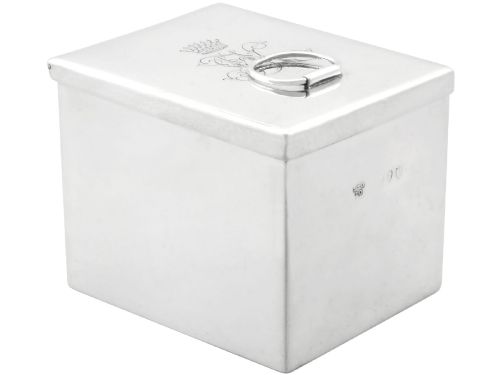
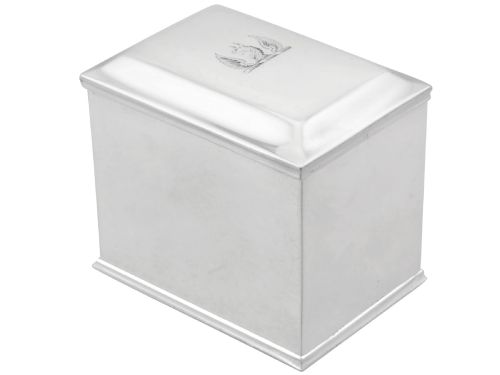
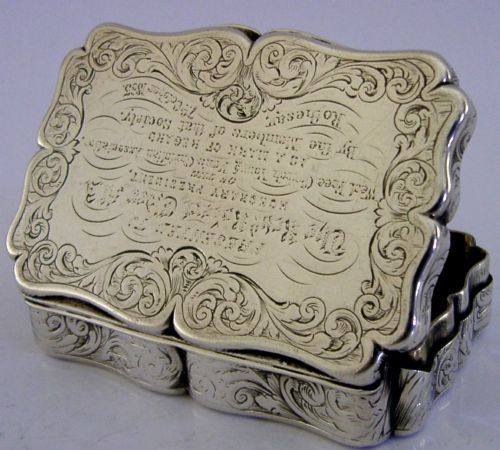
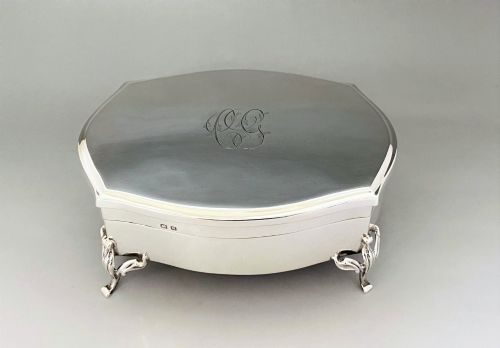
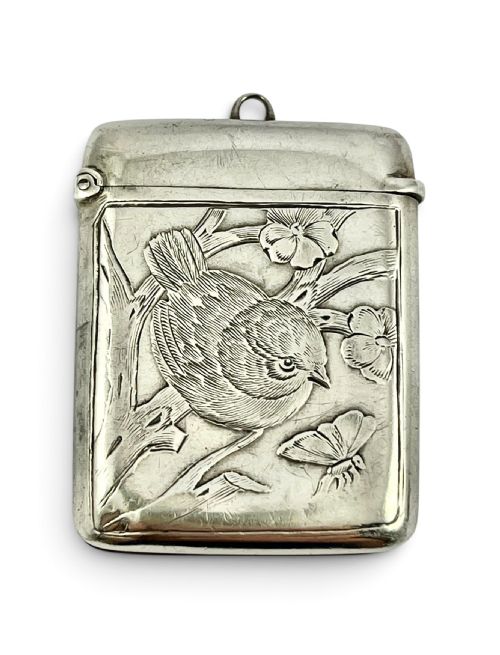
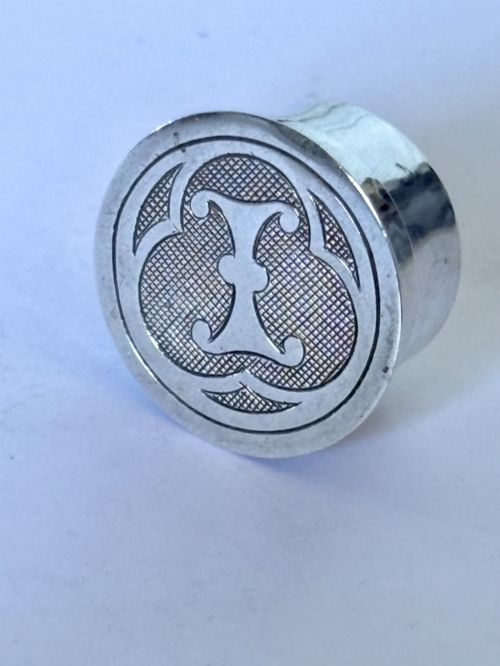
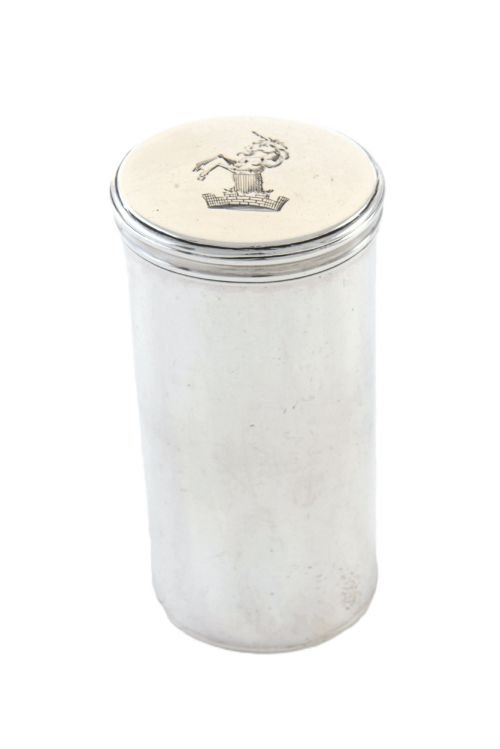
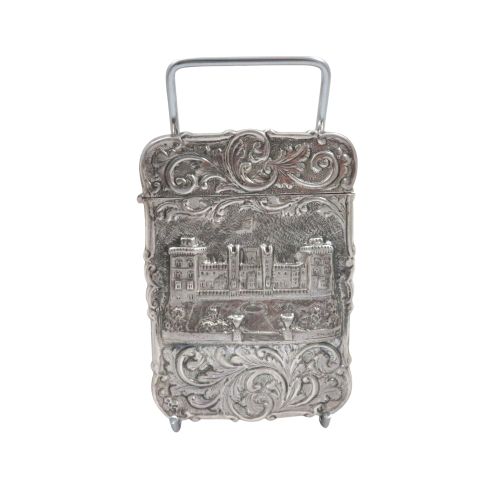
The forms vary according to their original purpose, encompassing miniature pill boxes, larger trinket receptacles, and structural items such as vesta cases and pyx boxes. Many examples feature detailed surface ornamentation, including floral motifs, scrolling foliage, architectural castle tops, and specific crests or inscriptions.
How they were made
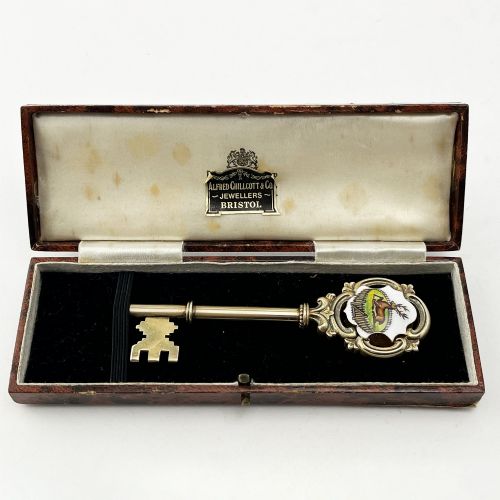
Silversmiths constructed these pieces primarily from solid sterling silver, occasionally applying silver gilt or incorporating interior linings of velvet, leather, and silk alongside decorative panels of enamel or agate. The structural body was often shaped through hammering and casting before receiving its exterior decoration.
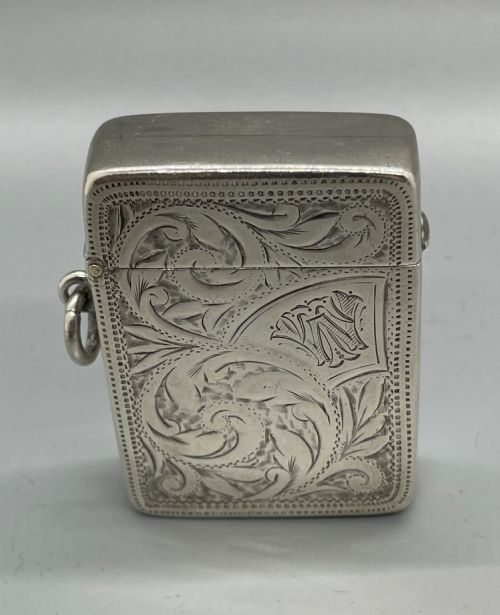
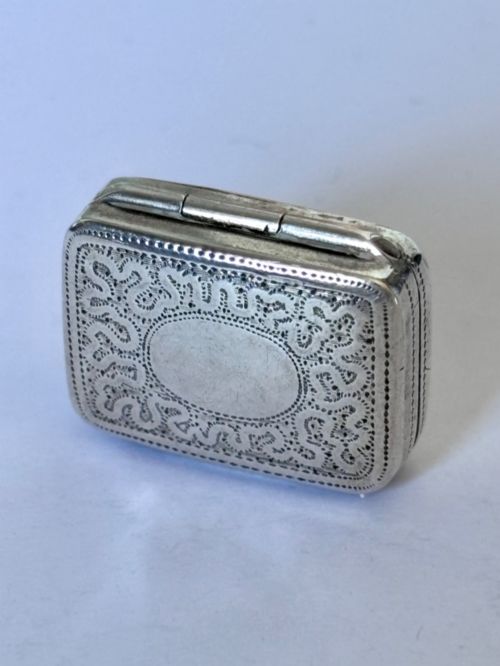
Engraving was executed by hand using specialised gravers to cut lines into the silver surface, producing scrollwork, crests, or architectural scenes. Additional techniques such as chasing and piercing appear alongside the primary engraving to create textured borders and contrasting finishes.
Listings feature pieces spanning the Georgian, Victorian, and Edwardian periods, utilising sterling silver alongside velvet, enamel, leather, and silk.
What varies in quality
The standard of an engraved sterling box depends heavily on the crispness and depth of the hand-carved surface work, where skilled execution results in sharply defined motifs rather than shallow or worn incisions. The reputation of the maker, indicated by clear hallmarks, also influences the standing of a piece within its period.
Structural integrity, including the proper alignment of hinges and the secure closure of lids, distinguishes finer examples from everyday items. Furthermore, the weight of the silver and the complexity of the form, such as specialised shapes or interior gilding, separate standard production from more ambitious workshop creations.
Horton And Allday·Thomas Johnson·Robert Hennell·Sampson Mordan And Co·Cornelius Bland·Robert Thornton·Edward Smith·Joseph Willmore·Joseph Gloster Ltd
The Engraved Sterling Box Glossary
- Hallmark
- Official stamps struck into precious metals to indicate the assay office, standard of purity, and date of manufacture. These marks provide a reliable method for dating British silver pieces.
- Vinaigrette
- A small ornamental box featuring an internal pierced grille, designed to hold a sponge soaked in aromatic vinegar. They typically date from the Georgian and Victorian eras.
- Vesta case
- A small pocket container manufactured to hold matches, usually fitted with a striking strip on the base. Many examples from the late nineteenth and early twentieth centuries feature hinged lids and integrated suspension loops.
- Silver gilt
- Silver objects that have been coated with a thin layer of gold on the surface, often applied to the interior of boxes used for acidic substances like snuff.
- Caddy
- A container originally produced to store tea leaves safely away from light and moisture before brewing. Georgian and Edwardian examples often feature substantial weight and secure locks.
Engraved Sterling Box: Frequently Asked Questions
What were these small boxes used for?
These containers served specific domestic and personal functions depending on their exact shape and size. Many were designed to hold dry goods, tobacco products, personal documents, or medicinal items for daily carriage.
Examples include card cases for visiting cards, vinaigrettes for aromatic scents, and vesta cases for holding matches securely in a pocket. Their varied forms reflect the structured social habits of the Georgian, Victorian, and Edwardian eras.
How can I tell the age of a silver box?
Dating relies primarily on the official hallmarks stamped into the metal by various assay offices such as London, Birmingham, or Chester. These marks include date letters that correspond to specific years of production.
Stylistic indicators such as the depth of the engraving, the shape of the cartouche, and the overall form also offer strong clues to whether a piece belongs to the Georgian period or later Victorian decades.
Are these boxes made of solid silver?
The pieces recorded here consist of solid sterling silver, denoted by standard marks such as the lion passant in British assay systems. Some items feature additional treatments like silver gilt interiors or decorative inlays.
Materials other than silver, such as velvet, silk, leather, enamel, and agate, appear as secondary components for linings or decorative panels rather than the primary structure.
How do I care for an antique silver box?
Maintenance requires gentle handling to preserve the delicate hand-engraved details and original patination accumulated over centuries. Excessive polishing wears down the incised lines of the design and removes historical character.
When necessary, non-abrasive cleaning cloths specifically formulated for silver help manage tarnish without disturbing integrated materials like velvet linings, enamel panels, or delicate hinges.