





Engraved Silvered Dial
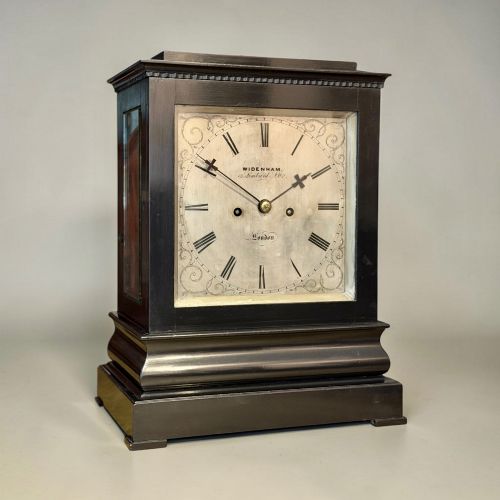
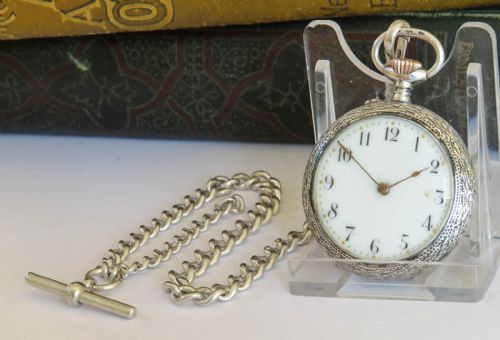
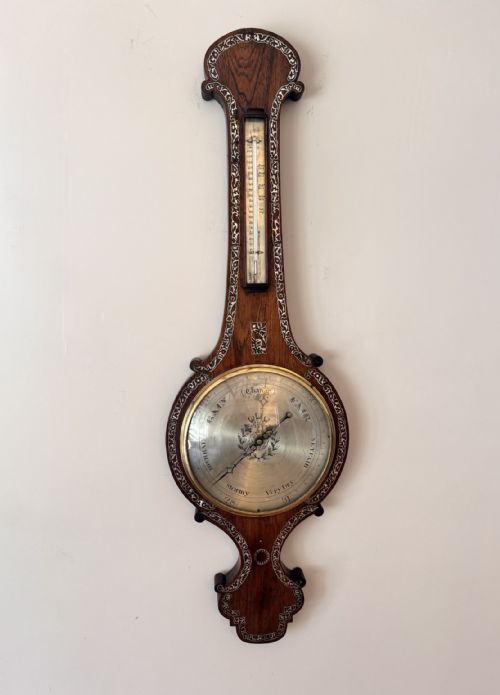
An engraved silvered dial brings crisp legibility and fine mechanical artistry to clocks, barometers and pocket watches.
Engraved Silvered Dial
An engraved silvered dial forms the functional and visual centre of horological and scientific instruments, offering bright contrast against dark cabinetry or polished brass bezels. When you search for an engraved silvered dial, you encounter circular and arched plates manufactured across the eighteenth, nineteenth and twentieth centuries.
The objects bearing these faces span domestic clocks, mercury barometers and portable timepieces from various periods including the Georgian, Victorian and Art Deco eras. Bracket clocks, library clocks and stick barometers dominate the selection, housing meticulously marked brass plates beneath glass or within fitted cases of mahogany and rosewood.
Makers inscribed intricate chapter rings, floral spandrels and maker signatures directly into the metal surface, creating a textured depth that painted faces lack. These dials record the shifting styles of clockmaking and instrument design through changing typography and decorative motifs.
Materials and technique
Makers constructed these dials from brass plates treated with a silvering compound of silver chloride, salt and cream of tartar, which deposited a thin layer of true silver over the base metal. This chemical process produced a bright, slightly frosted white finish that accepted dark wax filler into the engraved incisions.
Engravers used sharp gravers to cut numerals, minute tracks and maker details by hand into the soft silvered surface before rubbing black wax into the grooves to ensure high legibility. Protective lacquers were often applied over the finished plate to prevent the exposed silver from tarnishing too rapidly in domestic atmospheres.
Enclosures for these dials utilised dense timbers such as mahogany and rosewood, frequently complemented by glass panels, brass bezels and occasionally mother of pearl inlay. These materials protected the delicate metal faces while providing structural housing for fusee movements and barometer tubes.
Engraved Silvered Dial Retail Price Guide 2026
Typical asking prices for engraved silvered dial among the pieces listed under this phrase on Sellingantiques today, from the lower quarter to the upper quarter. They describe what is for sale here now, not the wider market.
Some cocktail shaker dials hide rotating mixer recipes behind silvered metal plates, ensuring accurate proportions for post-prohibition cocktails.
Markers of distinction
The crispness of the hand-engraving and the depth of the black wax filling separate standard production from superior craftsmanship. Finer dials display uniform letterforms, precisely spaced minute divisions and elegant flourish work in the corner spandrels or signature cartouches.
Preservation of the original silvered finish dictates much of the visual merit, as vigorous cleaning over centuries can wear away the thin silver layer to expose the yellow brass beneath. Untouched surfaces retain their subtle matte texture and even coloration across the entire plate.
The integration between the dial plate and its mechanical movement reflects overall workshop standards, where high-tier pieces feature secure pinned mountings and perfectly aligned chapter rings. Signed dials bearing the names of renowned makers or retailers add historical weight to the instrument.
Widenham of London·Mappin & Webb·Dent·Lambert Bros·Howell & James·Ganthony of London·Thomas Cole·Hunt And Roskell·Smiths Clocks·John Massey·L.Donne
The Engraved Silvered Dial Glossary
- Silvered metal
- A brass plate treated with a silver compound to impart a bright, matte white metallic surface. This finish provides high contrast for engraved and blackened inscriptions.
- Chapter ring
- The outer graduated circle on a clock face that bears the hour numerals. It is often engraved separately and pinned to the main dial plate.
- Fusee
- A conical pulley used in spring-driven clocks and watches to maintain even power delivery as the mainspring unwinds. It connects to the movement via a fine gut line or chain.
- Spandrel
- The ornamental corner decoration situated between the circular chapter ring and the rectangular edge of a square dial. These are commonly cast, chased or engraved in styles specific to their period.
- Mercurial barometer
- An instrument that measures atmospheric pressure using a column of liquid mercury balanced against a sealed glass tube. The associated scale is typically engraved onto a silvered brass plate.
Engraved Silvered Dial: Frequently Asked Questions
How do I clean an engraved silvered dial?
You should avoid liquid polishes, abrasive cloths and chemical dips, which strip away the thin silver layer and dissolve the black wax infill from the engraved lines. Dust the surface gently with a soft, dry brush to remove loose particles.
Professional horological restoration is required if the silvering has worn away or if tarnish obscures the markings. Improper cleaning permanently damages the historical integrity and legibility of the face.
Why do some silvered dials turn dark?
Silver reacts naturally with sulphur compounds and moisture present in the air, forming a dark silver sulphide patina over time. Atmospheric exposure within domestic rooms accelerates this gradual oxidation process.
Original lacquers applied by the maker often yellow or break down over decades, allowing air to reach the underlying metal. This darkening is a normal sign of age rather than a structural defect.
Can I date a clock by its dial style?
Dial design, typography and decorative spandrels changed noticeably across the Georgian, Victorian and Art Deco periods. Lettering styles and border motifs help narrow down the decade of manufacture.
Makers often signed their work directly on the dial plate, providing a direct link to recorded workshop operational dates. Comparing the engraving style with known examples yields reliable chronological clues.
What is the difference between a clock and a barometer dial?
Clock dials feature circular hour chapter rings and minute tracks designed to indicate the time of day through rotating hands. Barometer dials display atmospheric pressure scales calibrated in inches or millibars.
Barometer plates often incorporate weather descriptions and movable vernier indicators alongside the engraved scale. Both instruments utilise the same silvered brass technique for high visibility.