





Engraved Silver Waiter
An engraved silver waiter is a small serving tray for cards or drinks, prized for its intricate surface decoration and lasting utility.
Engraved Silver Waiter
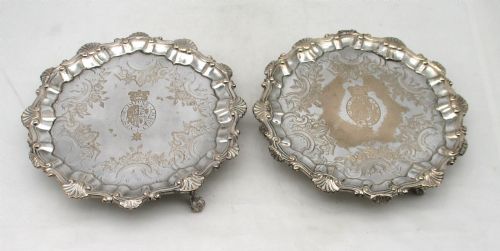
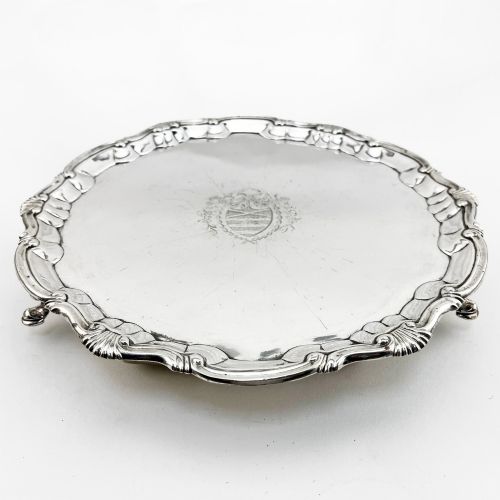
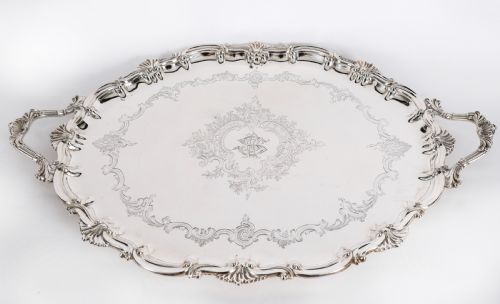
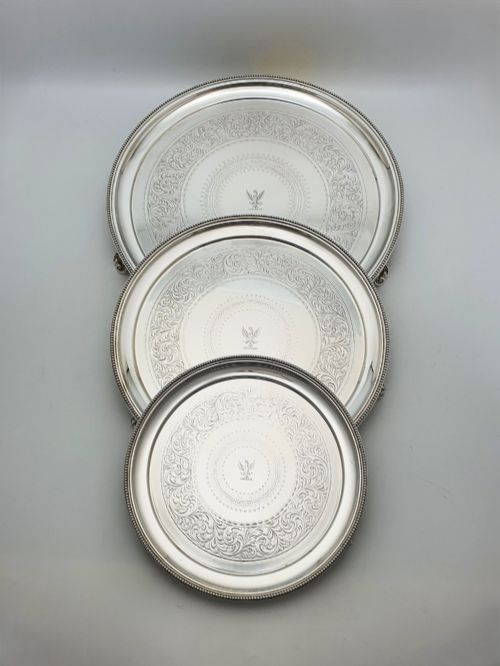
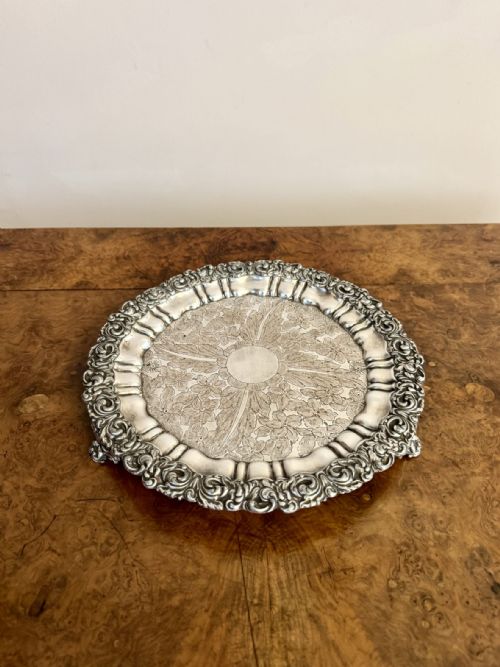
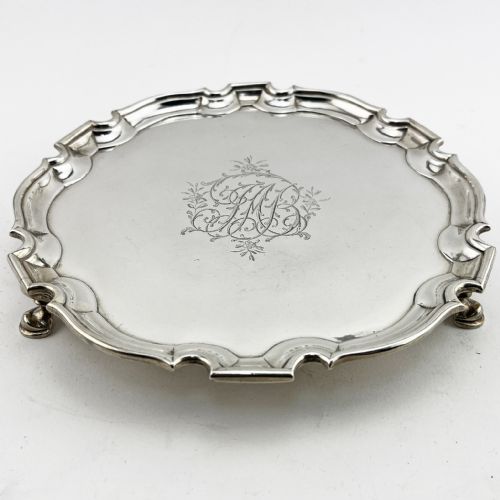
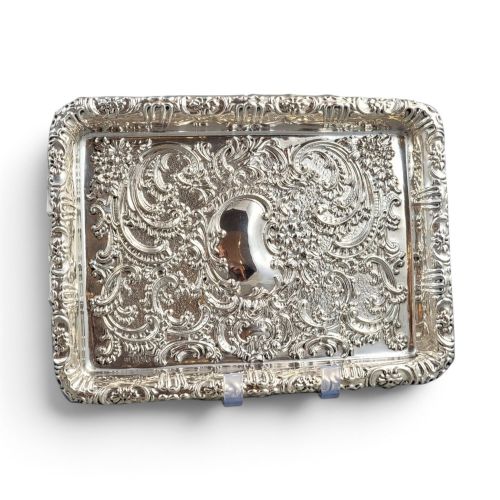
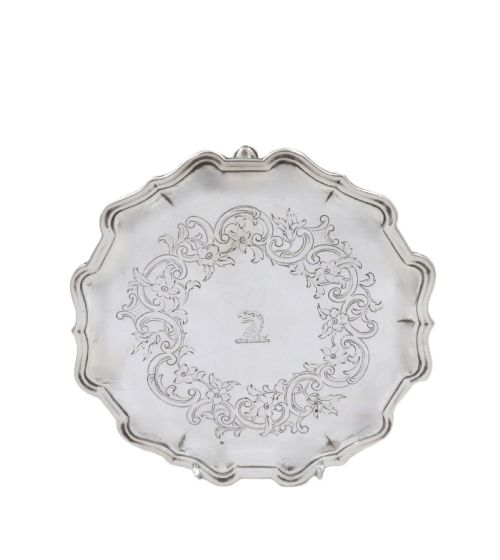
An engraved silver waiter is typically encountered on this page as a round or oval salver, card tray, or tea tray spanning the Georgian, Victorian, and Edwardian periods.
These pieces served historical roles in formal entertaining and calling card etiquette, rendered in sterling silver or silver plate across forms from small card trays to large presentation pieces.
How They Were Made
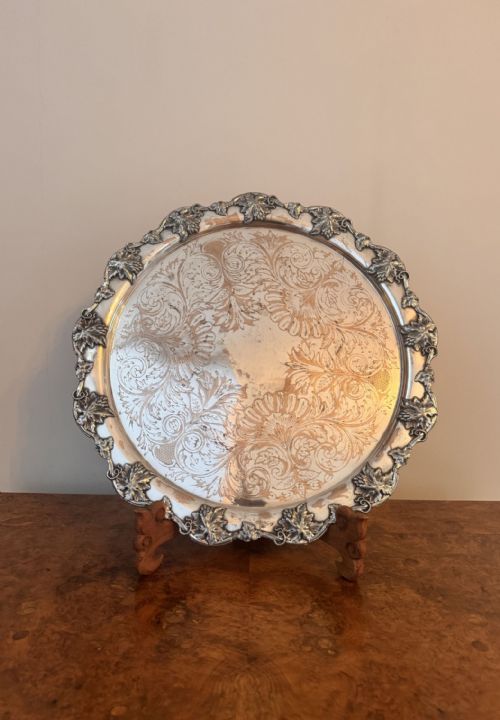
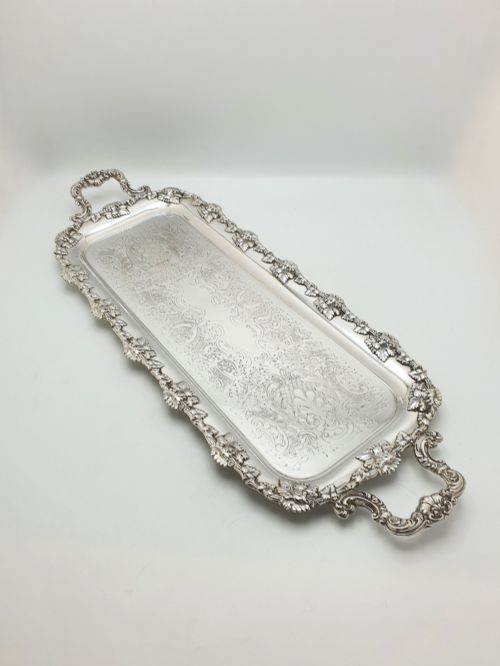
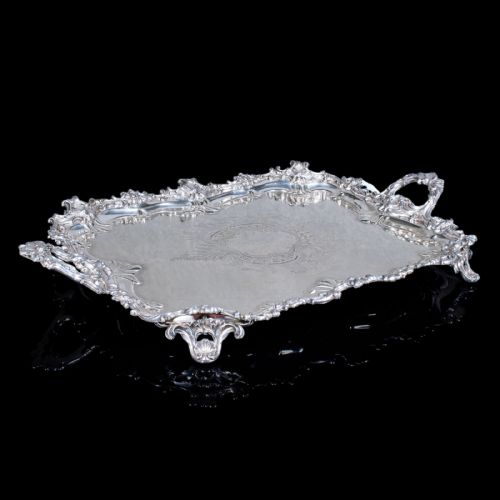
Maker workshops utilised sterling silver, Old Sheffield Plate, and electroplated nickel silver, applying hand engraving to create central foliate scrolls and armorial crests.
Rims were frequently cast with detailed borders such as grapevine motifs, then soldered to the tray body alongside small bracket or claw feet.
Engraved Silver Waiter Retail Price Guide 2026
Typical asking prices for engraved silver waiter among the pieces listed under this phrase on Sellingantiques today, from the lower quarter to the upper quarter. They describe what is for sale here now, not the wider market.
Listings feature items spanning the Georgian, Victorian, and Edwardian eras, executed in sterling silver, Old Sheffield Plate, and various silver-plated base metals.
What Varies in Quality
The crispness and depth of the hand engraving distinguish superior examples, as shallow machine work lacks the definition seen in earlier hand-chased surfaces.
Weight, gauge of metal, and the structural integrity of applied cast rims and feet separate standard production trays from exhibition-grade pieces.
S.C. Younge & Co.·Thomas Bradbury & Sons·Elkington·Robert Pringle & Sons·John Harrison·Padley Parkin·J Dixon & Sons·Tiffany & Co.·James Fray·Fenton Russel
The Engraved Silver Waiter Glossary
- Salver
- A small serving tray, usually made of silver or silver plate and raised on small feet. They were historically used for presenting letters, cards, or drinks.
- Old Sheffield Plate
- A composite material made by fusing a sheet of silver to a thicker copper base. This technique was widely utilised before the invention of electroplating.
- Card Tray
- A miniature version of a salver designed specifically for holding calling cards in a hallway or reception room.
- EPNS
- Electroplated Nickel Silver, a base metal core coated with a thin layer of silver using an electrical current. It became common during the Victorian era.
- Chasing
- A metalworking technique where designs are hammered into the front surface of the metal without removing material, creating raised patterns.
Engraved Silver Waiter: Frequently Asked Questions
What is an engraved silver waiter used for?
These trays served historically for carrying glasses, tea services, or calling cards in polite society. Today they function as decorative table centrepieces or display surfaces.
They offer a practical way to organise smaller items while displaying period craftsmanship on a sideboard or desk.
How do I date an antique silver tray?
Dating relies heavily upon hallmarks stamped into the metal, which indicate the assay office, year, and maker for sterling pieces. Stylistic clues like Rococo Revival scrolls or Edwardian border motifs also narrow down the era.
Material changes, such as the shift from Old Sheffield Plate to electroplating in the mid-19th century, provide further chronological markers.
What is the difference between a salver and a waiter?
In historical terms, the two words often referred to the same flat serving vessel on feet, though waiter sometimes implied a smaller tray for glasses. On this page, both terms describe circular or oval serving pieces.
Size and proportion generally dictate how specific pieces were deployed in domestic service rather than strict categorical rules.
How should I clean an antique silver tray?
Gentle maintenance using a specialised silver cloth preserves the engraved details without abrading the thin surface plating. Avoid harsh chemical dips that strip the natural patination built up over centuries.
Regular soft dusting prevents tarnish accumulation in the recessed lines of the engraved motifs.