



Engraved Silver Trophy Cup
An engraved silver trophy cup carries the physical record of past triumph, combining solid metal and sharp hand-cut lettering to mark a specific victory.
Engraved Silver Trophy Cup
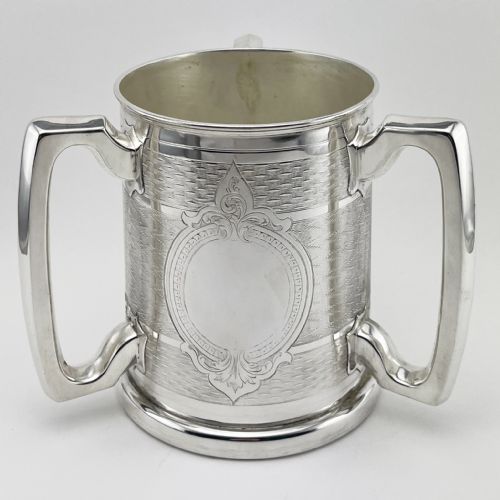
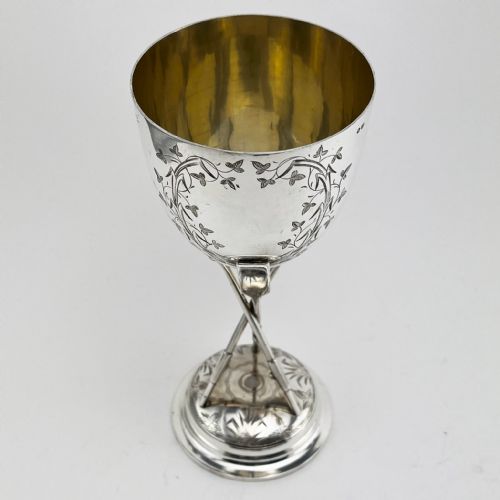
Every engraved silver trophy cup on this page serves as a tangible record of competition, spanning standard trophy cups, loving cups, and tall goblets. The selection draws primarily from the nineteenth and eighteenth centuries alongside Edwardian and later twentieth-century examples.
Makers across distinct regions shaped these forms, ranging from English and Irish workshops to Chinese Export and Anglo-Indian production. Buyers encounter both monumental presentation pieces and smaller novelty items designed for specific sporting or civic events.
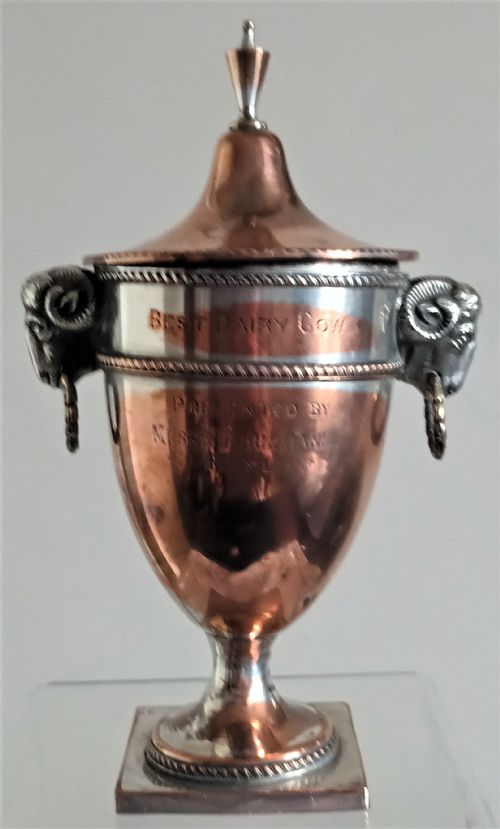
The primary function remains commemorative, whether marked for cricket, rowing, or general presentation. Each vessel uses chased or engraved surfaces to record names, dates, and the nature of the contest.
Materials and construction
Silversmiths constructed these pieces using sterling silver, silver plate, Old Sheffield plate, and electroplated nickel silver, occasionally applying gold gilt or parcel gilt highlights. The underlying base metal frequently includes copper in plated items where the silver layer covers the core.
Craftsmen applied hand engraving to cut lines and lettering directly into the metal surface, creating crisp inscriptions and floral motifs. Form was achieved through raising sheet metal or casting handles and mounts, then soldering them securely to the body.
Listings feature items spanning the 18th Century, 19th Century, and Edwardian period, alongside styles such as Chinese Export, Georgian, and Regency.
Distinctions in craftsmanship
Quality depends upon the crispness of the hand engraving and the structural integrity of applied handles and mounts. Superior pieces display deep, legible lettering and well-defined decorative motifs that remain sharp despite handling.
The weight of the metal and the balance of the vessel dictate the standard of production. Solid sterling examples from established makers show superior gauge metal compared to lighter plated alternatives.
Henry Tatton & Son·Thomas Sutton·Blackensee & Son
The Engraved Silver Trophy Cup Glossary
- Sterling silver
- A silver alloy containing 92.5 percent pure silver and 7.5 percent other metals, usually copper. This standard ensures durability while maintaining high purity for presentation items.
- Old Sheffield plate
- A composite material made by fusing a thin sheet of sterling silver to a thicker copper base. It represents an early plating technique used before electroplating.
- Loving cup
- A large drinking vessel with two or more handles, traditionally passed among guests at banquets. These often double as presentation cups in sporting contexts.
- Electroplated nickel silver
- A base metal alloy of copper, nickel, and zinc coated with a thin layer of silver using an electrical current. It became a common manufacturing method during the nineteenth century.
Engraved Silver Trophy Cup: Frequently Asked Questions
What were engraved silver trophy cups used for?
These vessels functioned primarily as prizes for sporting victories, rowing regattas, and cricket matches. They were also presented to mark civic achievements or personal milestones.
Winners displayed them proudly in homes or clubhouses as lasting testaments to their success.
How do I care for silver trophy cups?
Regular dusting with a soft cloth prevents dust accumulation on detailed engraving. When polishing becomes necessary, use a gentle silver cream formulated to avoid abrasive wear on the inscribed surfaces.
Store the pieces away from direct sunlight and damp environments to maintain the stability of the metal.
How can I tell the period of a cup?
Hallmarks stamped into the metal provide the most reliable guide to date sterling silver pieces. These marks identify the assay office, the maker, and the exact year of production.
Stylistic shifts in handles, typography, and decorative motifs also help distinguish eighteenth-century forms from Victorian or Edwardian examples.
Are all trophy cups engraved?
Not every piece carries an inscription; some left the workshop plain to allow the winning club or recipient to add their own details later. Unengraved examples often show smooth surfaces intended for custom lettering.
Pieces with period engraving provide a direct historical link to the original event and recipient.