
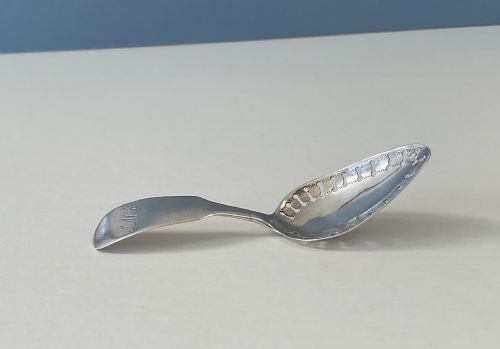


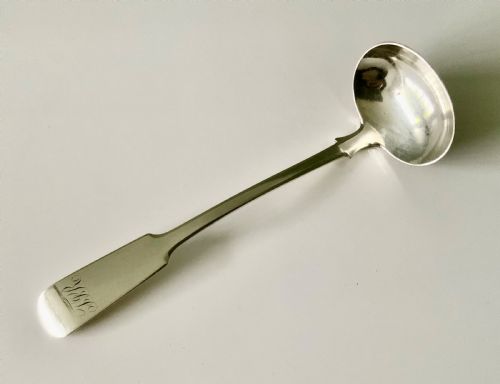


Engraved Silver Ladle
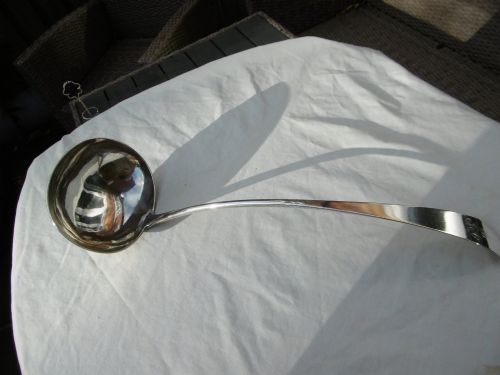
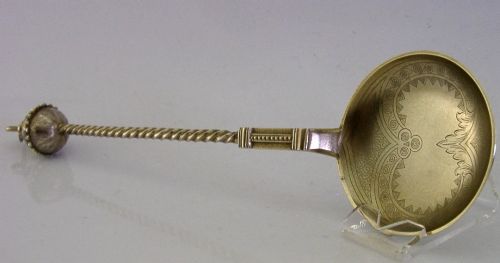
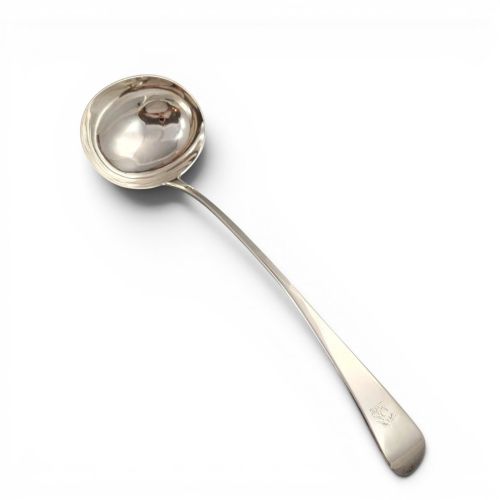
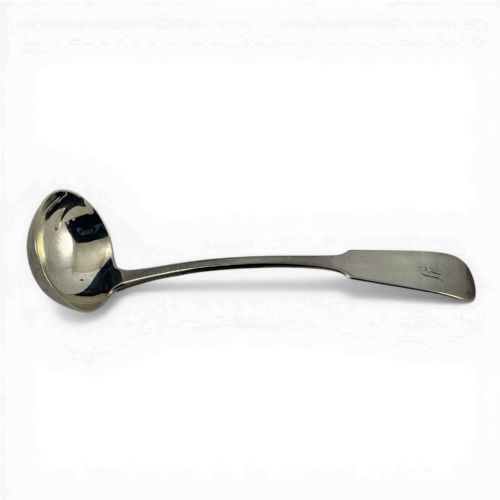
These engraved silver ladle examples are finely worked serving implements that bring historical weight and deliberate artistry to any table.
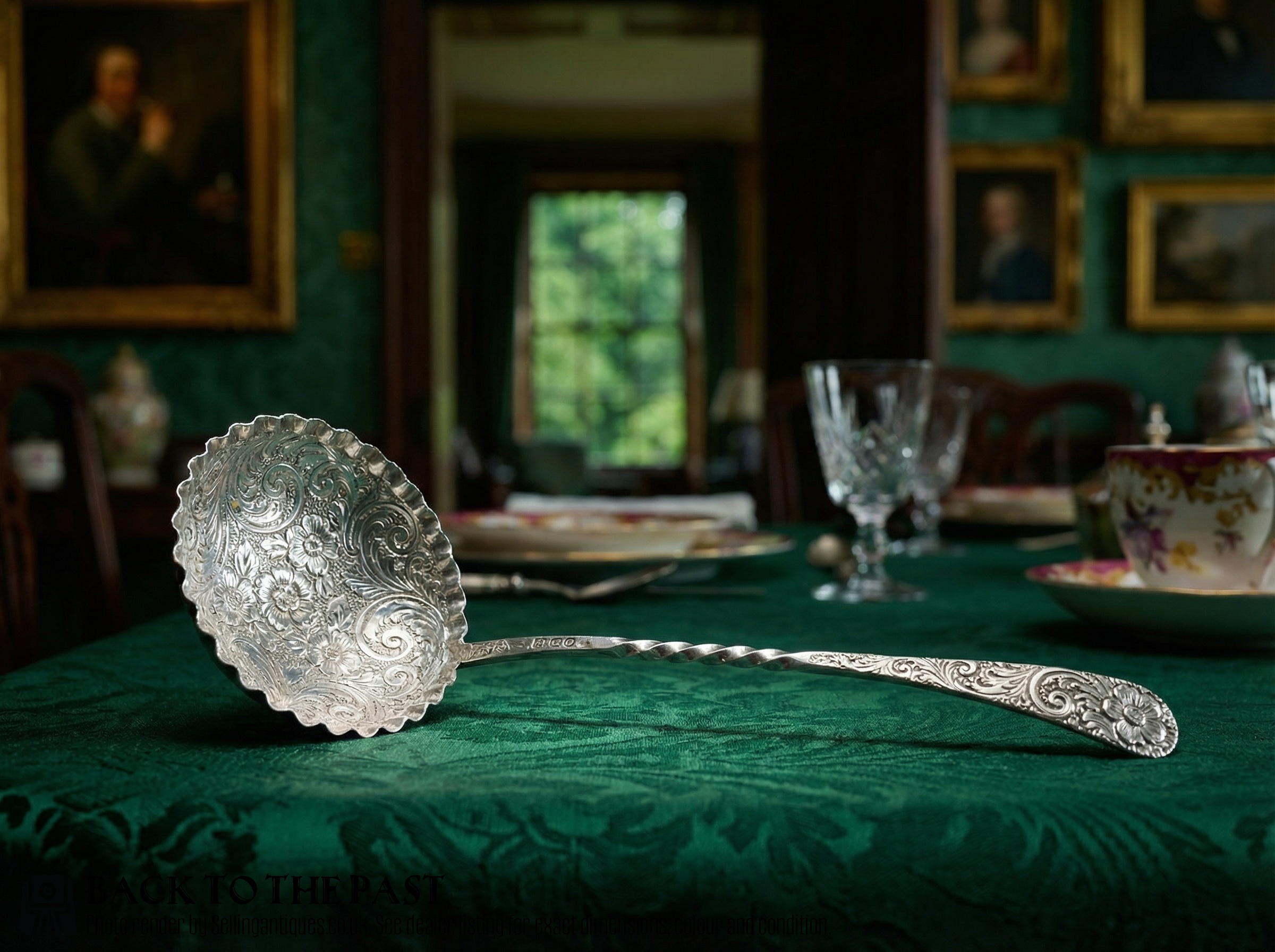
Engraved Silver Ladle
When you search for an engraved silver ladle, you encounter serving implements spanning the Georgian, Victorian, and 19th Century periods, alongside pieces from 1900. These items range from large soup ladles and gravy spoons to smaller cream ladles, caddy spoons, and toddy ladles.
The most common forms on this page include sterling silver and solid silver utensils, with occasional silver gilt, silver plate, and even treen items featuring silver bands or rims. Origin points stretch across English, Scottish provincial, Irish, Scandinavian, and continental makers.
Buyers frequently find classic Old English patterns alongside regional variations such as Scottish provincial and Scandinavian antique designs. Each period brings distinct bowl shapes and handle engravings, reflecting the dining customs of its era.
Materials and construction
Silversmiths forged these pieces from sterling silver, solid silver, and silver gilt, shaping heavy metal into durable bowls and slender handles. Some items combine organic materials like coquilla nut treen with silver bands or rims.
Engraving was applied by hand using sharp gravers to cut crests, monograms, and decorative patterns directly into the metal surface. Hallmarks and town marks were then stamped to record the maker, assay office, and year of production.
Engraved Silver Ladle Retail Price Guide 2026
Typical asking prices for engraved silver ladle among the pieces listed under this phrase on Sellingantiques today, from the lower quarter to the upper quarter. They describe what is for sale here now, not the wider market.
Judging quality and craftsmanship
Quality rests in the weight of the metal and the crispness of the hand engraving, where deeper cuts and well-defined crests indicate superior workshop output. Thicker gauge silver resists bending during heavy serving use and maintains cleaner lines along the handle edges.
The clarity of hallmarks and provincial town marks adds historical value, showing the exact origin and maker behind the piece. Balance and proportion between the bowl and the engraved handle also distinguish standard production items from exceptional commissions.
Milne and Campbell·William Ferguson·Bateman·Michael Smith
The Engraved Silver Ladle Glossary
- Sterling silver
- An alloy consisting of pure silver and other metals, usually copper, to increase durability while maintaining a bright appearance. This standard metal forms the bulk of the traditional flatware seen here.
- Silver gilt
- Silver that has been coated with a thin layer of gold on its surface, creating a rich two-tone effect. This technique often appears on large baptism and serving spoons from Scandinavian makers.
- Toddy ladle
- A small drinking implement traditionally used for serving hot punch or toddy from a communal bowl. These often feature twisted whalebone or turned treen handles alongside engraved silver bowls.
- Caddy spoon
- A short spoon designed specifically for measuring dry tea leaves from a caddy into a teapot. Examples from the Georgian period frequently display bright-cut engraving on the bowl.
- Sifter spoon
- A specialised spoon featuring a pierced bowl used for dusting sugar over food or drinks. These appear alongside matching sugar bowls in Victorian dining sets.
Engraved Silver Ladle: Frequently Asked Questions
How do I date an antique silver ladle?
Dating relies on reading the hallmarks stamped into the metal, which record the assay office, date letter, and maker's mark. Stylistic clues like handle patterns and engraving styles also help narrow down the period.
Comparing the piece to documented examples from known makers provides a reliable timeframe for its production.
What is the difference between a soup ladle and a toddy ladle?
Soup ladles are large utensils featuring deep bowls designed for serving liquid from a tureen at the dining table. Toddy ladles are much smaller implements originally used for ladling punch from a bowl into individual glasses.
Toddy ladles often incorporate twisted whalebone or wooden treen handles alongside their engraved silver bowls.
How should I clean engraved silver?
Cleaning requires a soft microfibre cloth and a mild, non-abrasive silver polish to avoid wearing down the hand engraving. Care must be taken around engraved crests and hallmarks to prevent the buildup of residue in the cut lines.
Frequent gentle cleaning preserves the bright finish better than harsh chemical dips.
Are Scottish provincial ladles different from English ones?
Scottish provincial pieces display distinct regional marks and manufacturing traits that differ from standard London work. Makers working outside major assay centres used unique town marks alongside their personal initials.
These regional variations make provincial pieces particularly interesting to collectors.
What was the purpose of crest engraving?
Crest engraving identified the noble family or owner who commissioned the silverware for their household. These heraldic designs were carefully hand-cut into the handle or reverse of the terminal.
Today, these crests offer a direct link to the original social history of the piece.